
Introduction
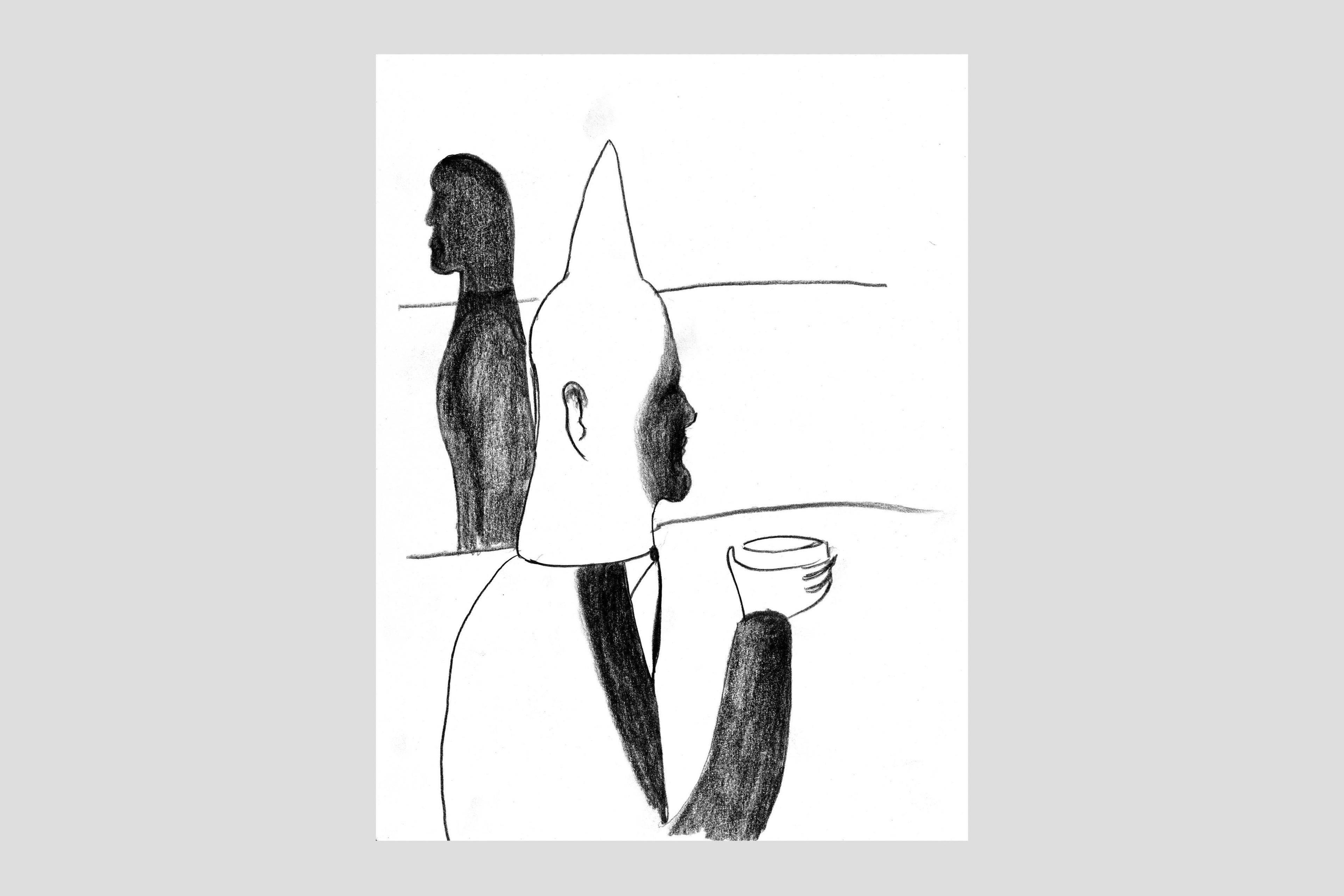
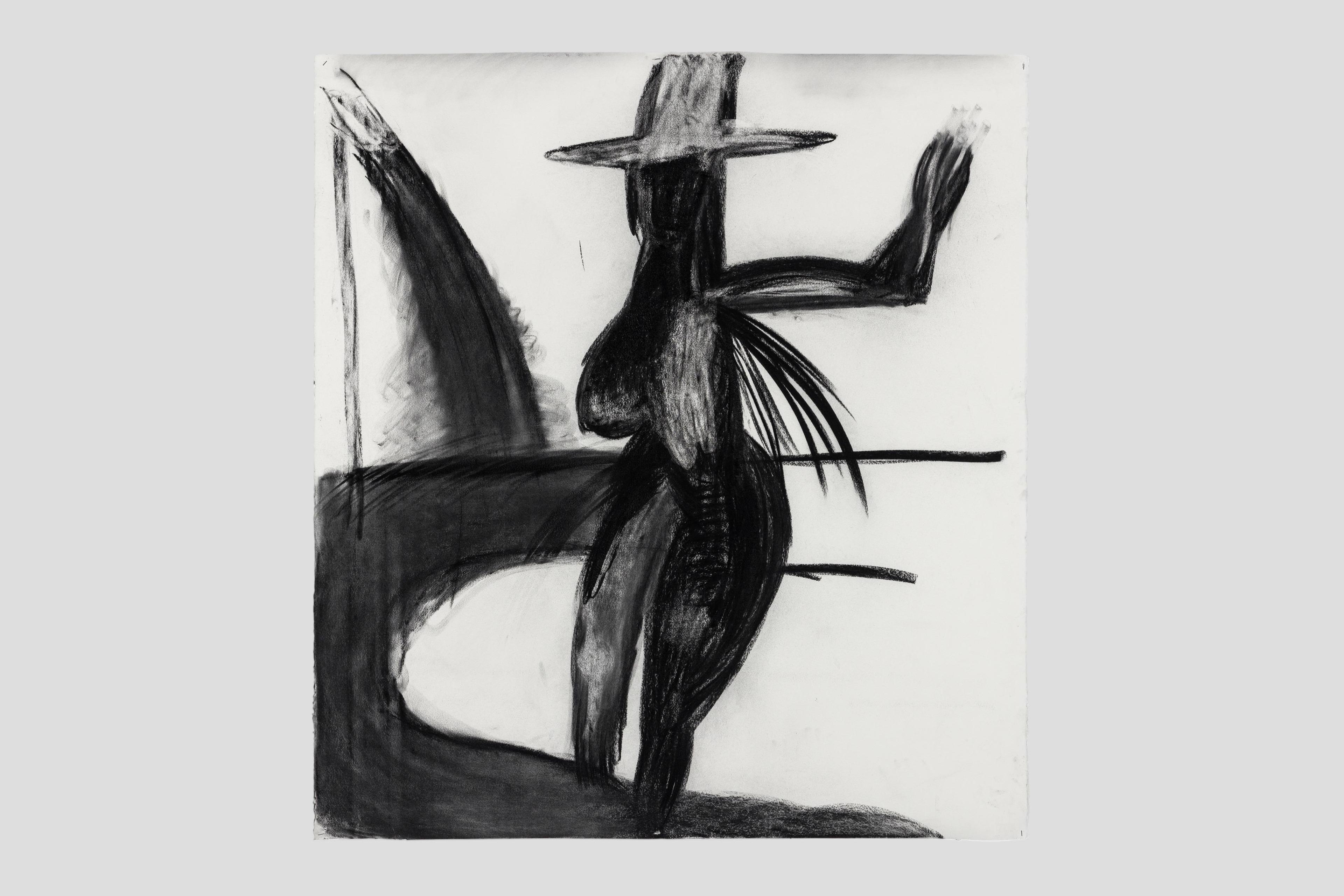
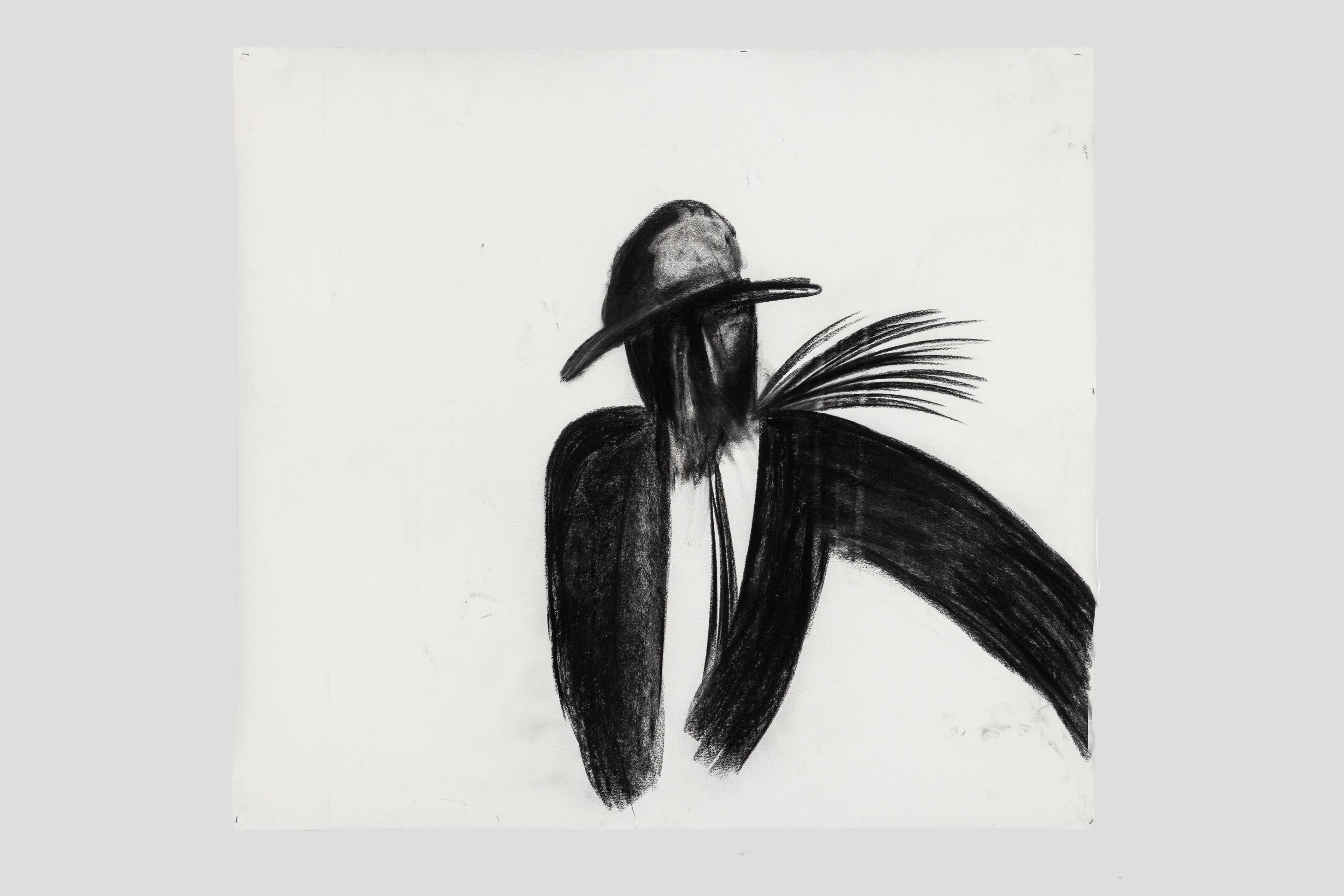
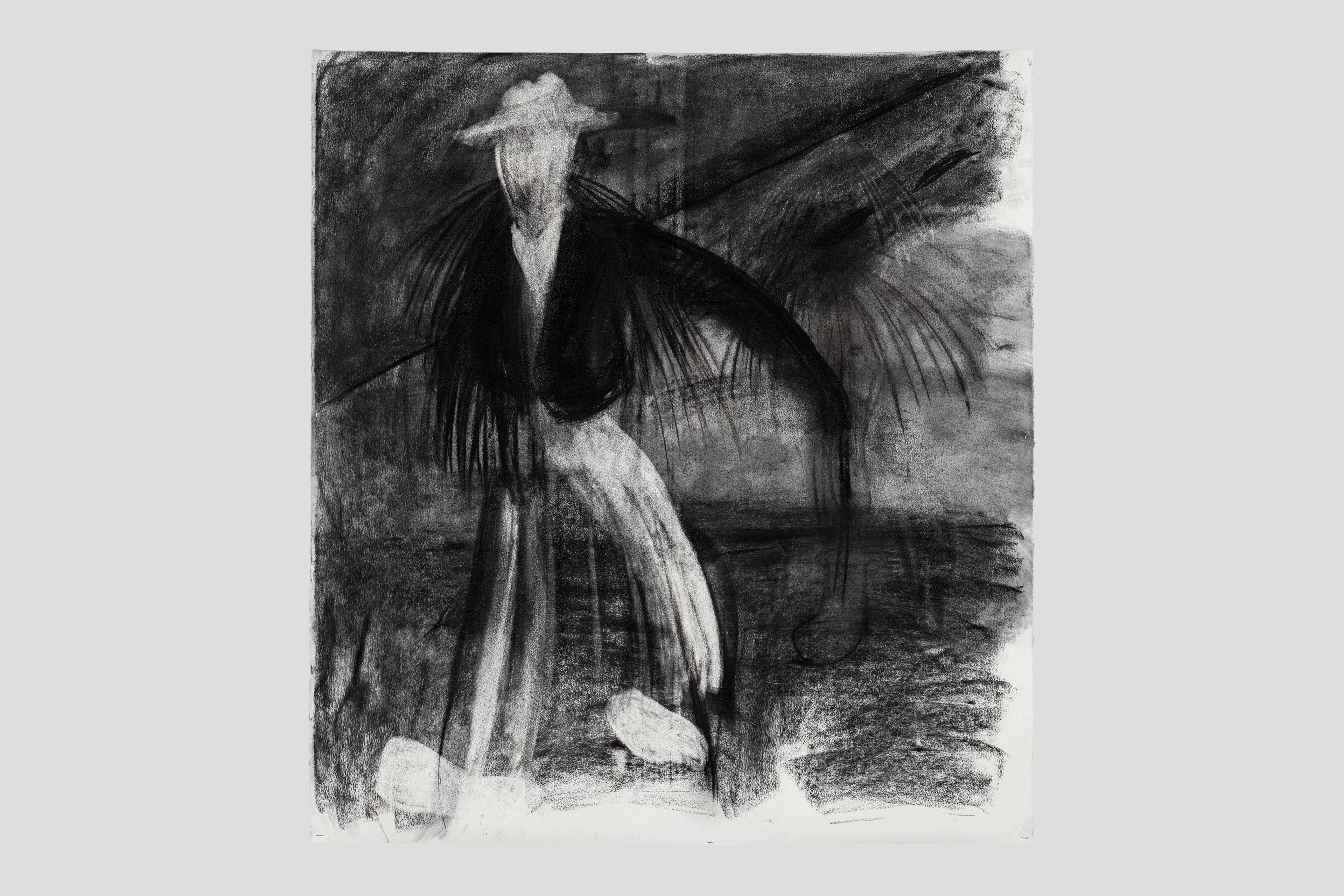
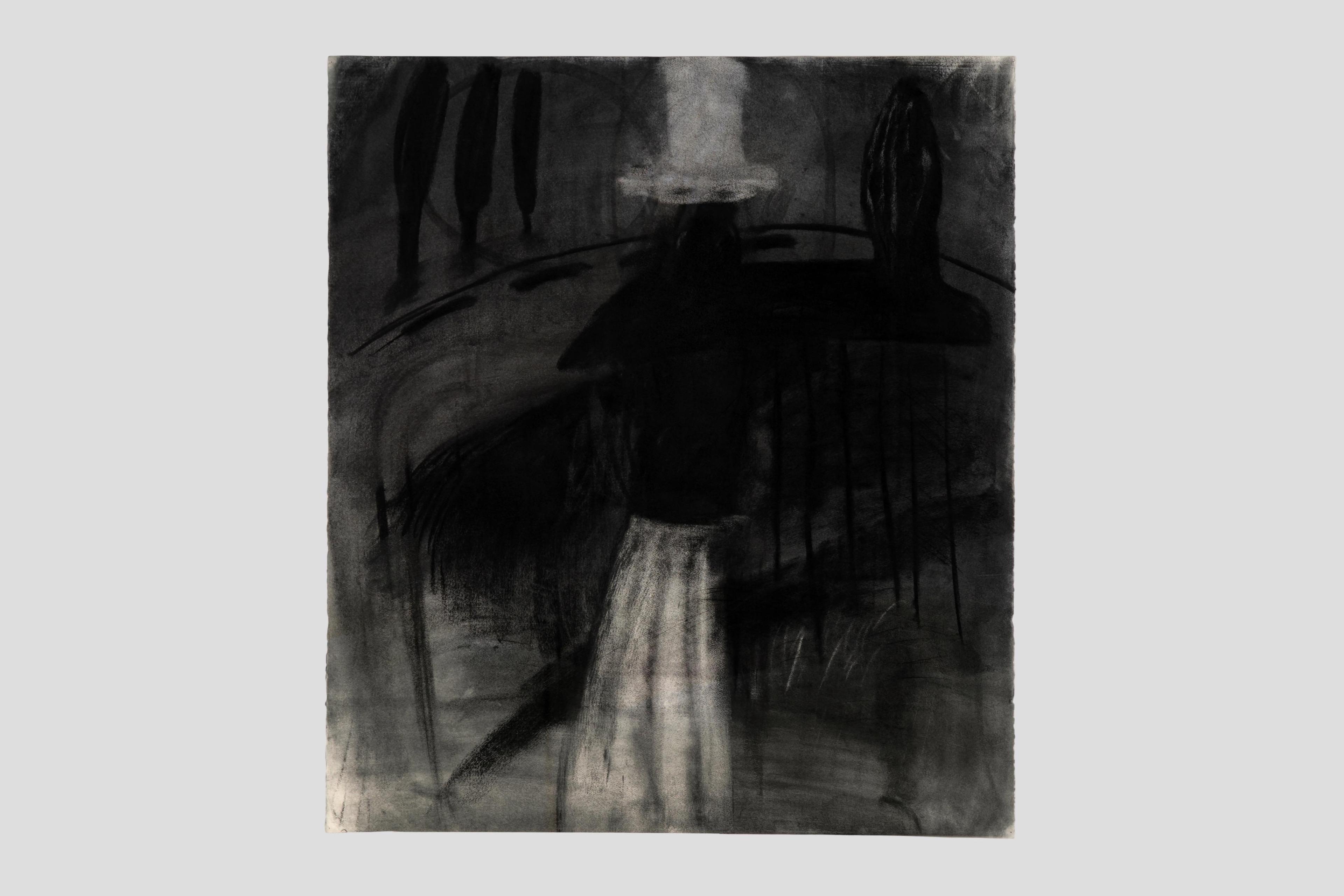
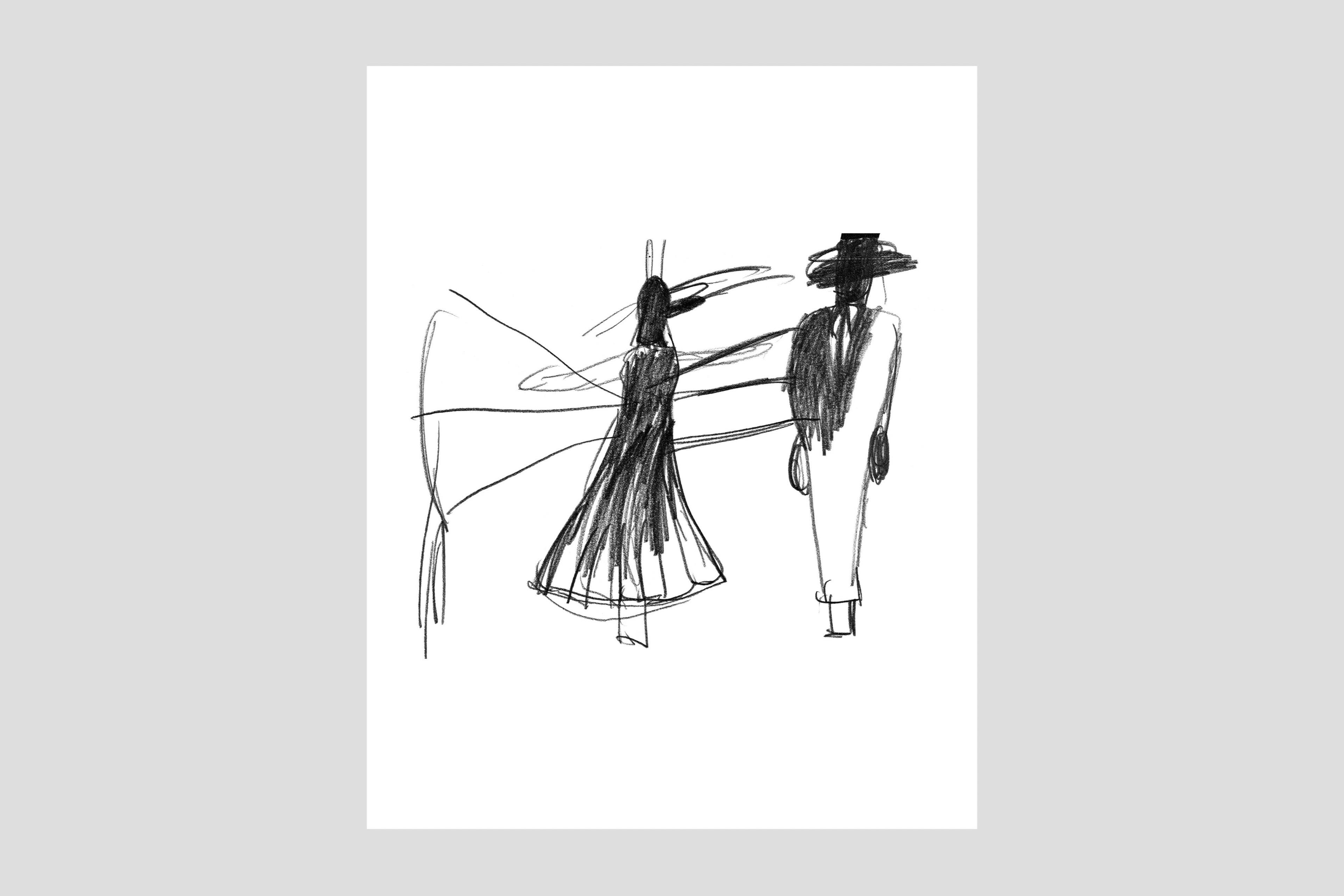
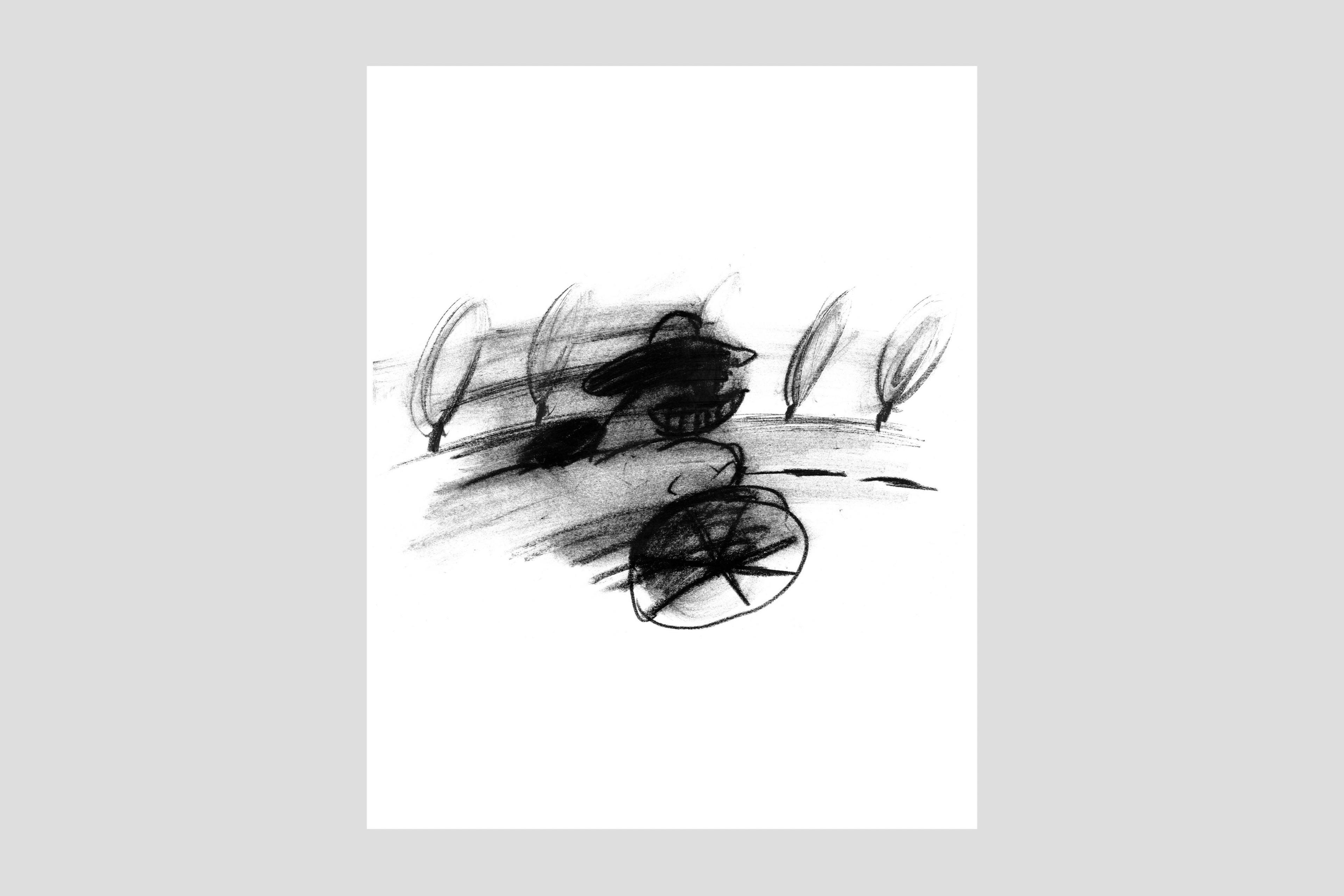
Pol Taburet turns away from the hallucinatory colors for which he is best known, and from the figures of an infernal carnival-masked silhouettes rising from a theatre of possession. The era mistook them for a painting of trance and urban chaos, where voodoo specters haunted the ruins of a crumbling modern world. All too often, these signs have served to confine his work to a grammar of the spectacular. With Ultra Half Negro Symbolism, Pol Taburet withdraws from this din. He chooses black. The space of a voice rediscovered.
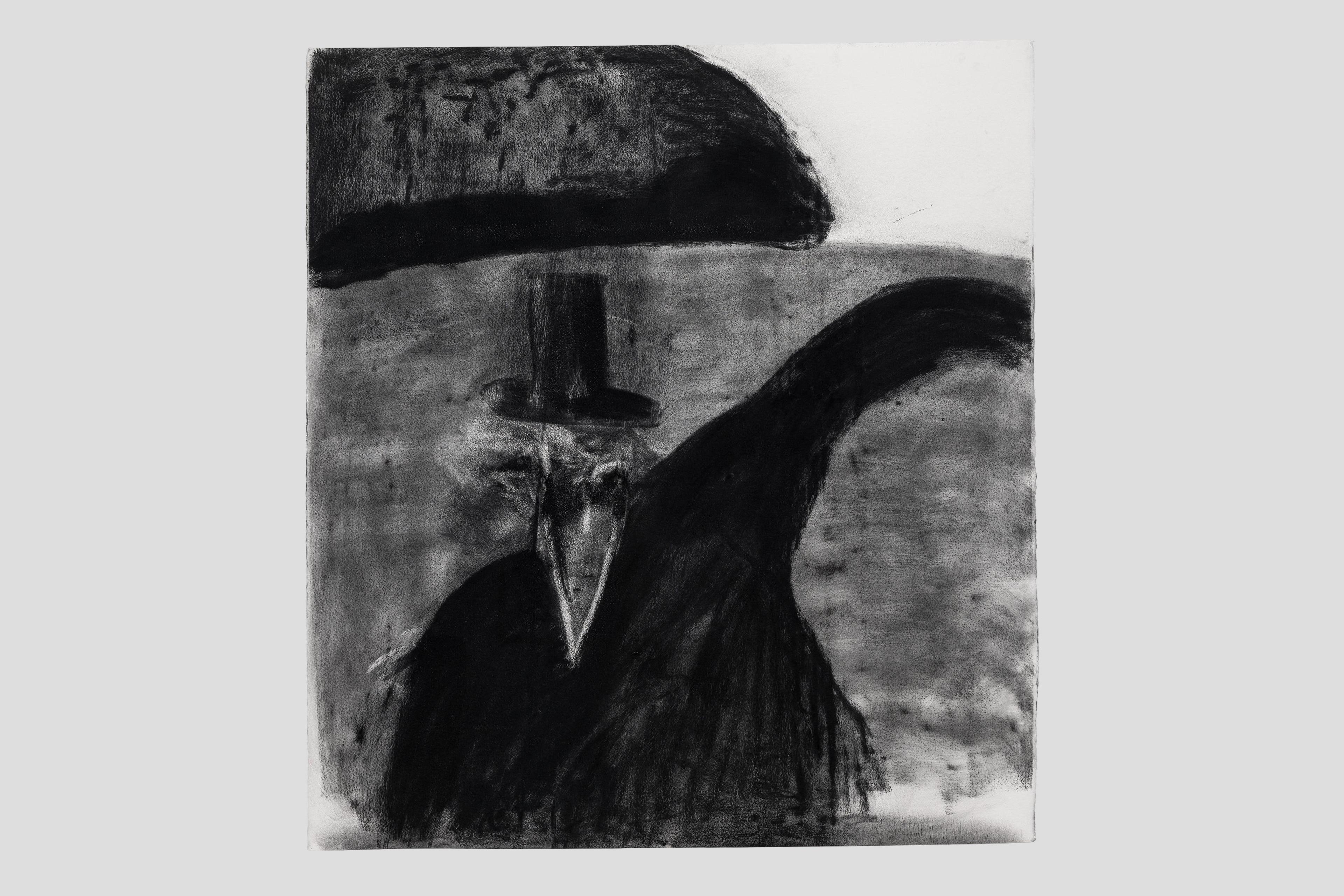
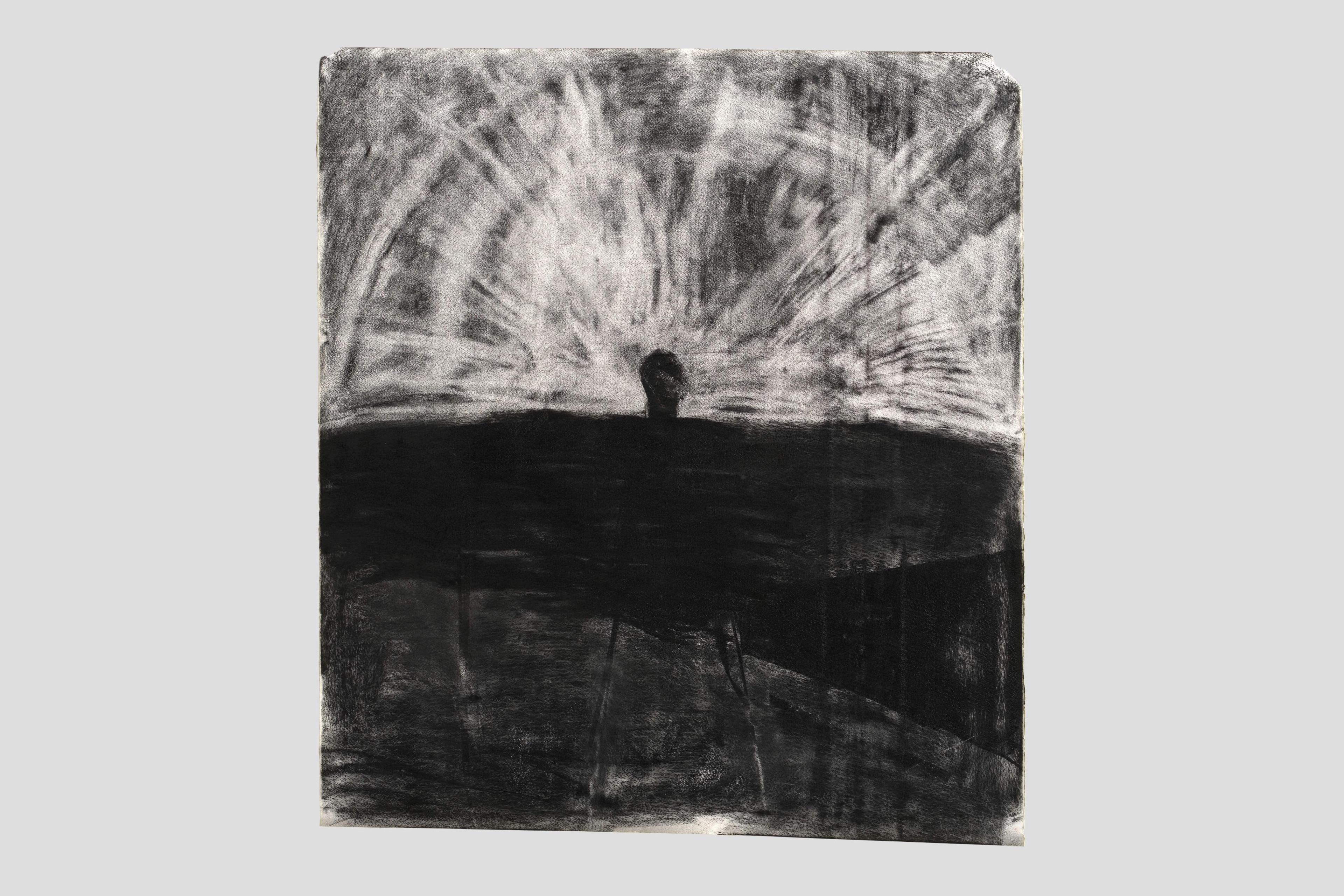
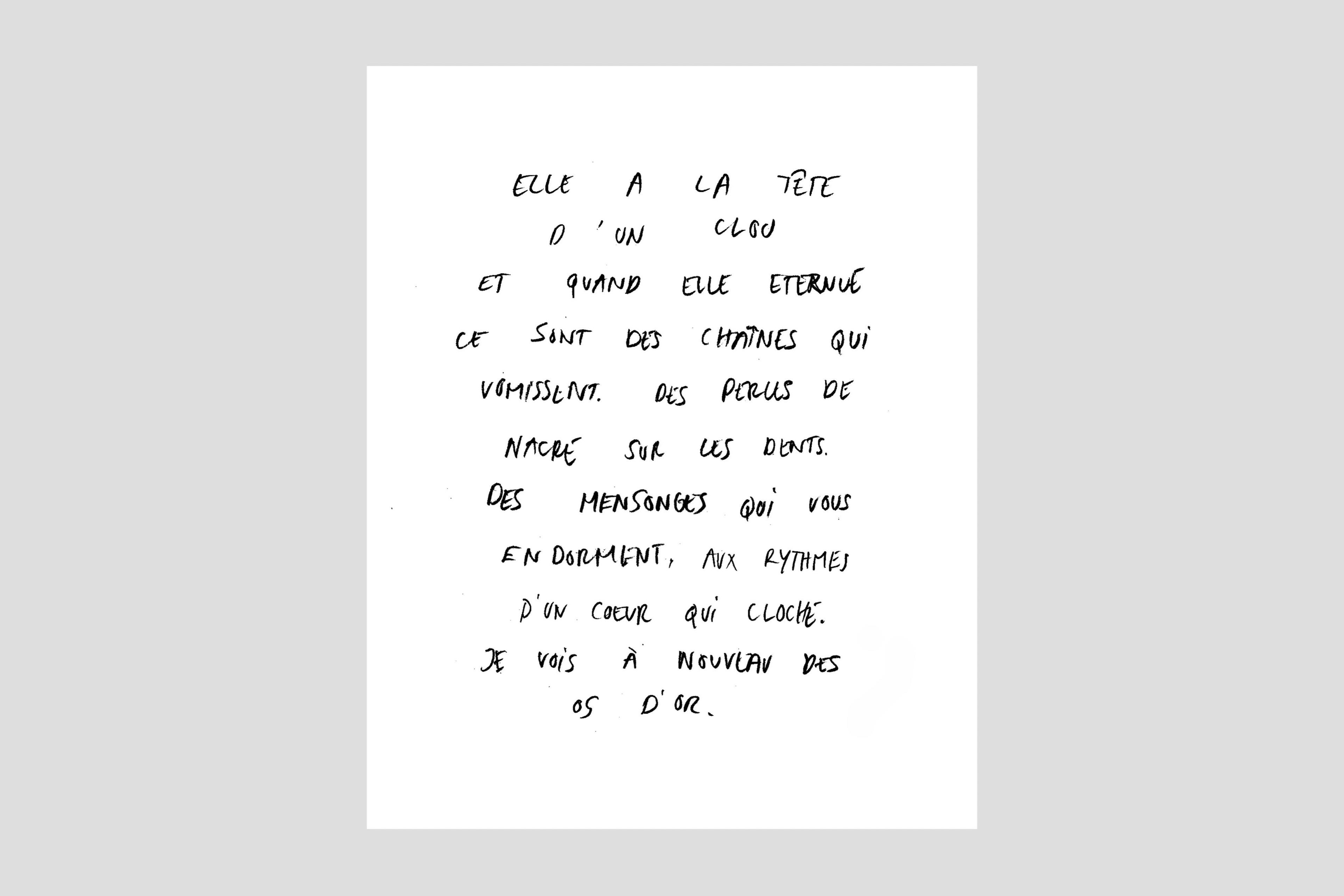
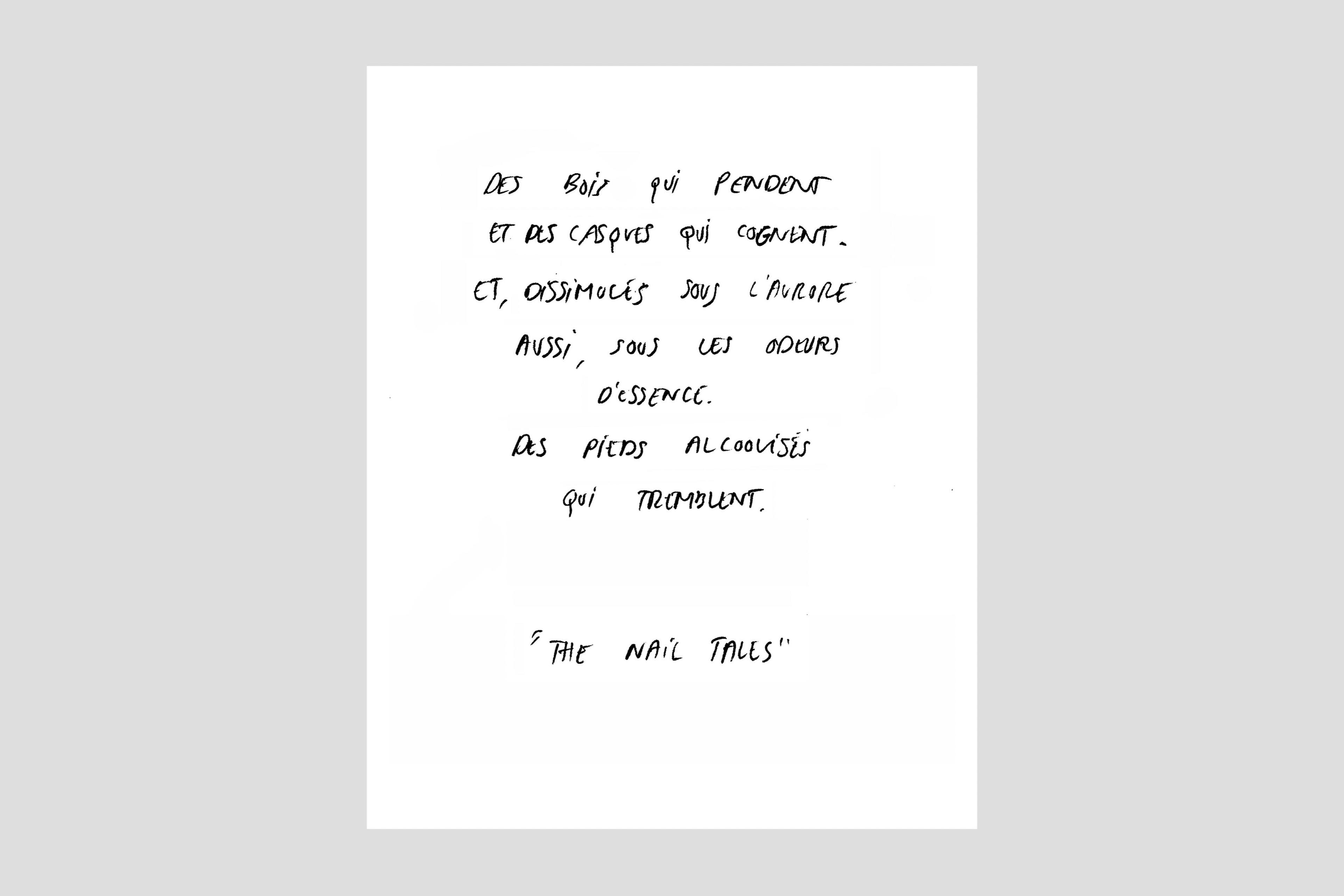
A primal black—not a color, but a syntax. Across these pages, through drawings, charcoal works, and handwritten poems, and with a rigorous economy of means, a new language unfolds. In taking leave of color, Pol Taburet reappears.
Guillaume Blanc-Marianne
Pol Taburet ventures into the exclusivity of black. Perhaps a way of torturing what he has always done: laying down, first, a screen of night across the canvas, establishing chaos from the outset-that total darkness which structures nothing, but from which everything may emerge, detach itself, take shape and fill with color.
After all, to renounce color is not to renounce choice— for black is a people unto itself. There is vine black, Mars black, smoke black, ivory black and ebony black; the black of charred bone, the black that never parts from gold or light-but absorbs them to better reveal itself; the black of punishment, the gleam of a panther's coat, the blood-black congealed in a mouth; the black of every fire and of the ineffable infinite; the black of jazz deep in a midnight bar, the black of the foulest mood, of a hostile glance or a soul; the black of erasure, of censorship, and the most stubborn black of all-the one no resistance can undo: the black of death after the eyes have closed.
Pol escapes color to give form to what lies beyond it— to undermine the structure it usually imposes. All that remains is to surrender himself to something like the duende, that dark prodigy of intensity which courses through the culture of what Federico García Lorca called the "aching spirit of Spain."
Some have made the Iberian Peninsula the starting point of countless abjections and massacres that have ravaged Africa and the Americas, while others have sought to see in it the promontory of a possible exchange-be-tween Europe and the cultures coming into view on the horizon. For the duende is not confined to Spain alone.
It reveals itself elsewhere, in many other placessince, as García Lorca also wrote, "All that has black sounds has duende." The figures we recognize in Pol's paintings are black, but they nonetheless embody something beyond the Black body. They contain-and above all, expose-that energy we associate with the dark genius of Spain, less concerned with the pursuit of grace than with the far more courageous search for the impenetrable mystery of the world's violence and the heartbreak of existence. The duende, it is true, breaks through, and can only break through. It rises like a surge of coal dust or a flow of soot, steeped in a darkness known only to miners and undertakers. Like the blues, like saudade, it resists definition; we only know that it is rooted deep in the earth, and rushes forth when summoned. It bursts from a low wound that color can no longer remedy—a gash that releases blood of the darkest hue, thickened by centuries of sorrow, fear, and sweat, before which the bright, broad walls of color give way. When the duende surfaces, death is unmistakably present, and Pol knows it: here appear a carcass and a gravedigger; there, the Grim Reaper and the executioner. In those parts of the world where sensibility is never merely the product of construction, one lingers in the gloom-and fully celebrates death.
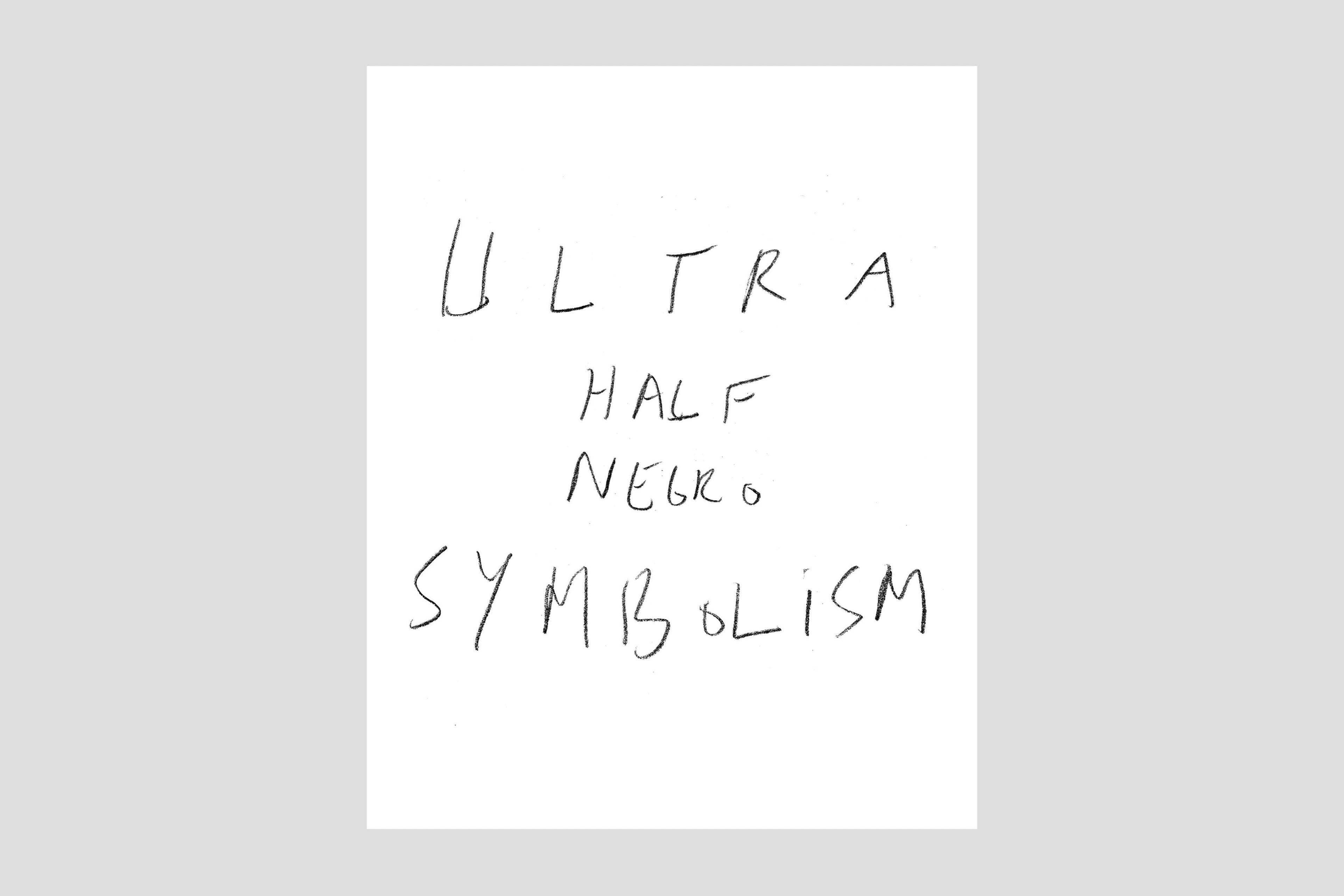
And yet, that black is nothing but the gold of a people— the "innocent plague-stricken," as Pol calls them —a people who know no borders or nations save those that were forced upon them. If there is such a thing as an "ultra half negro" sensibility, which Pol identifies with, it is one that loses nothing to metissage, but asserts itself as a third designation—a space where the cultures of the Black and white worlds meet in a shared connection to melancholy and death, where flesh bears the mark of the inconsolable and learns to live with it. Perhaps this is where the duende rediscovers its power: in that very métissage—which makes us feel the tremor of the dead passing beneath our feet and allows us to hear them knocking under the crust and singing in the depths.
Credits
©2025 Pol Taburet ADAGP, Paris, 2025
For all texts ©2025 Pol Taburet
Courtesy the artist and Mendes Wood DM
Photographs Romain Darnaud
Guillaume Blanc-Marianne, "Ultra Half Negro Symbolism," 2025