
Introduction
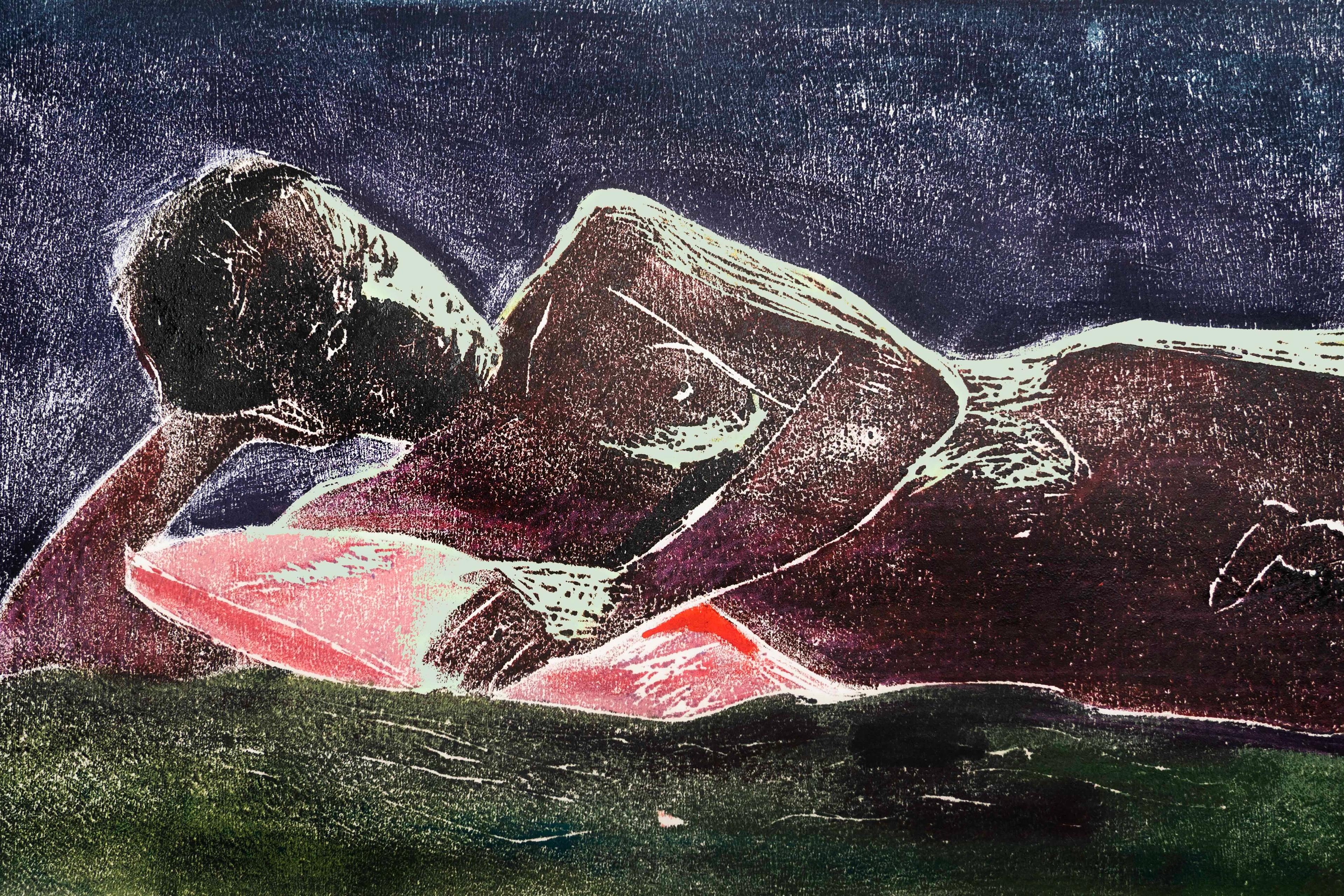
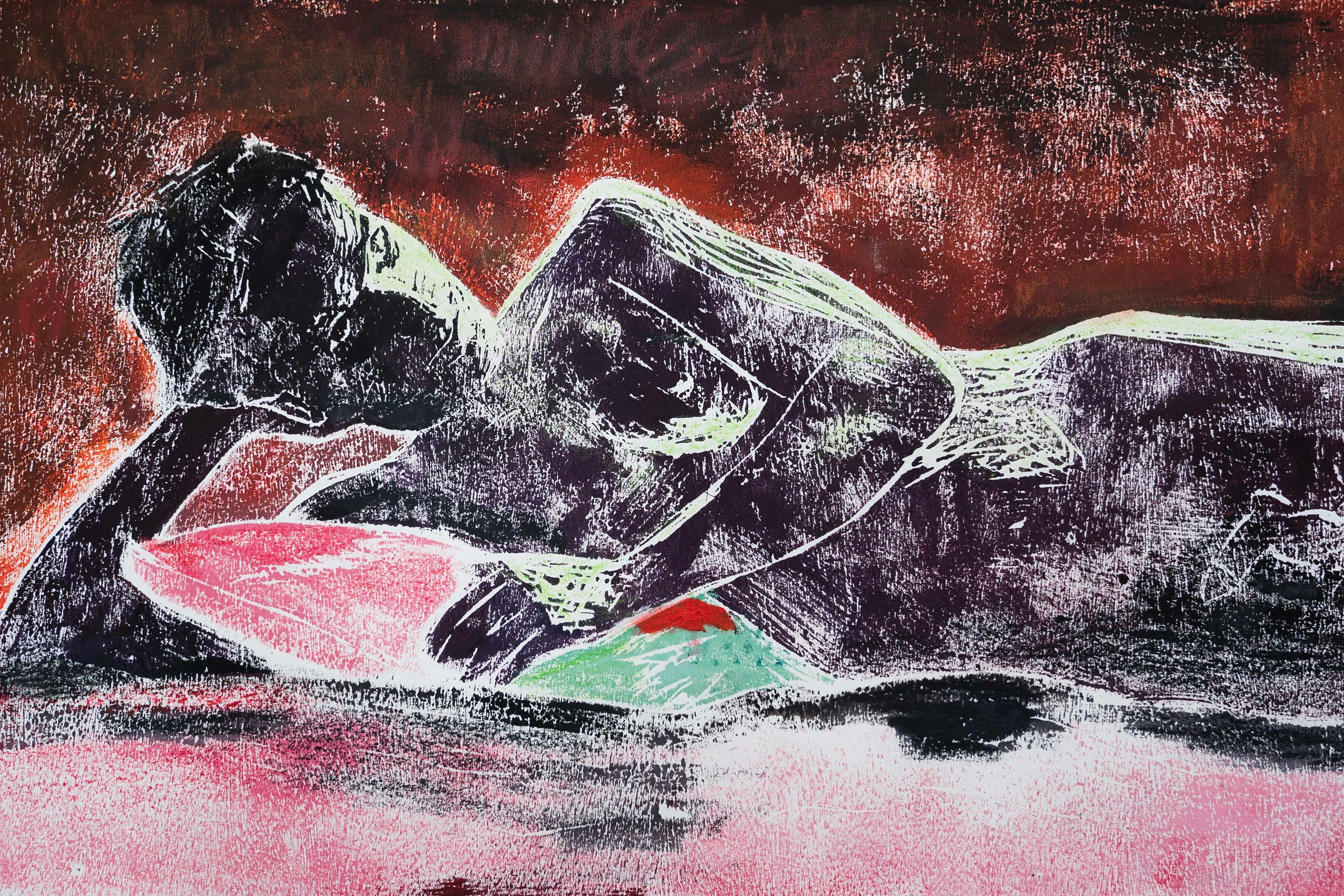
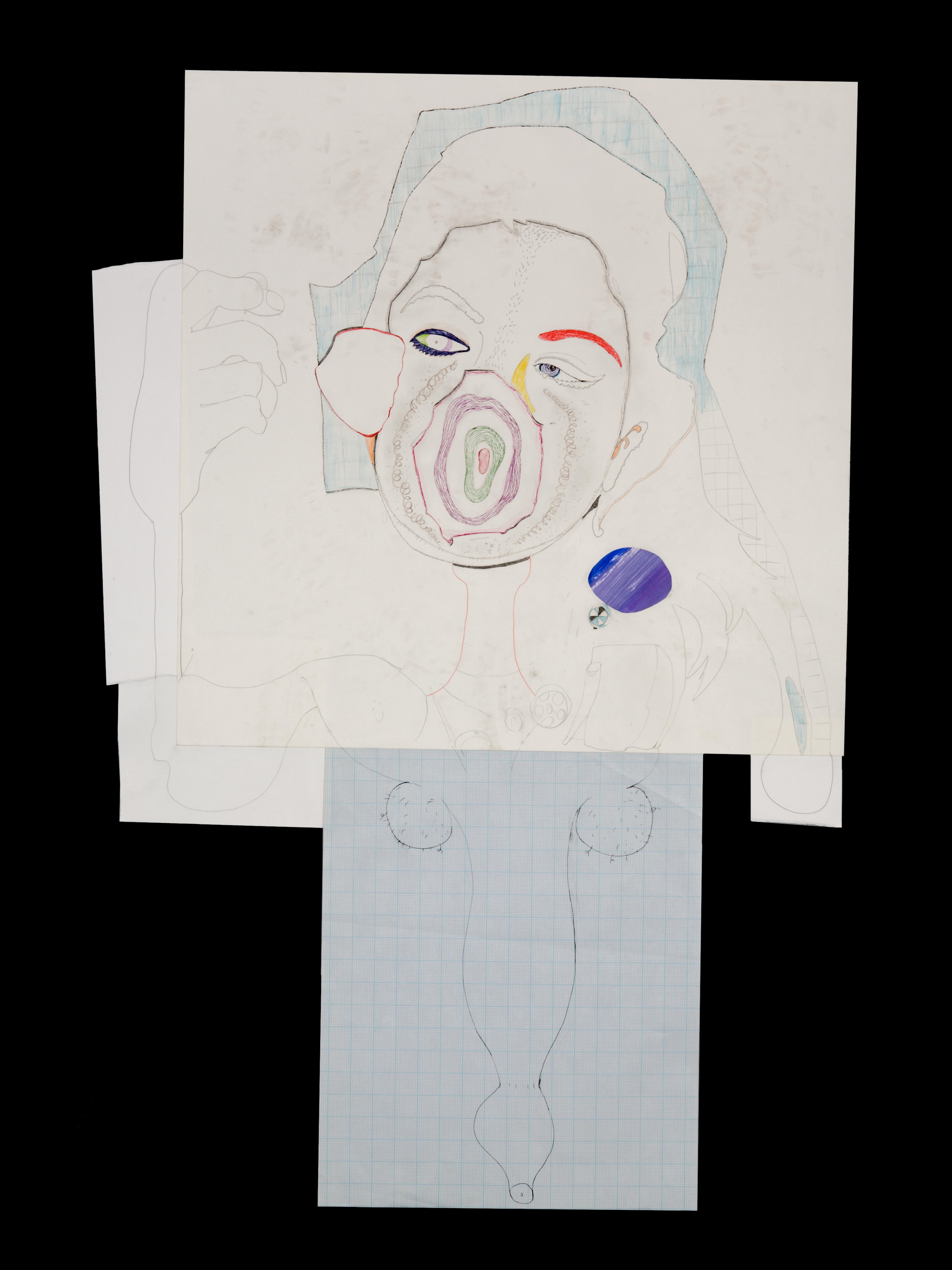
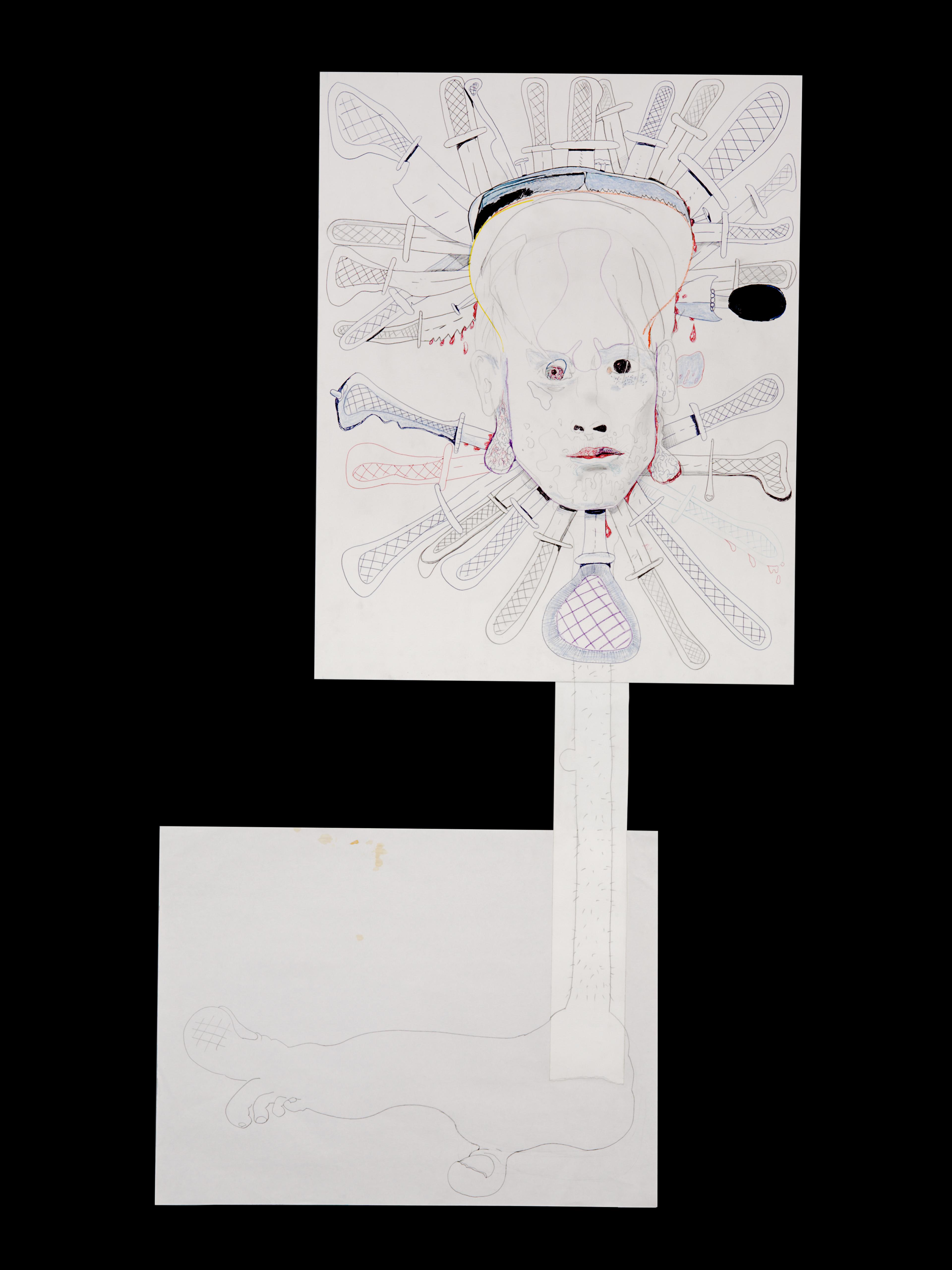
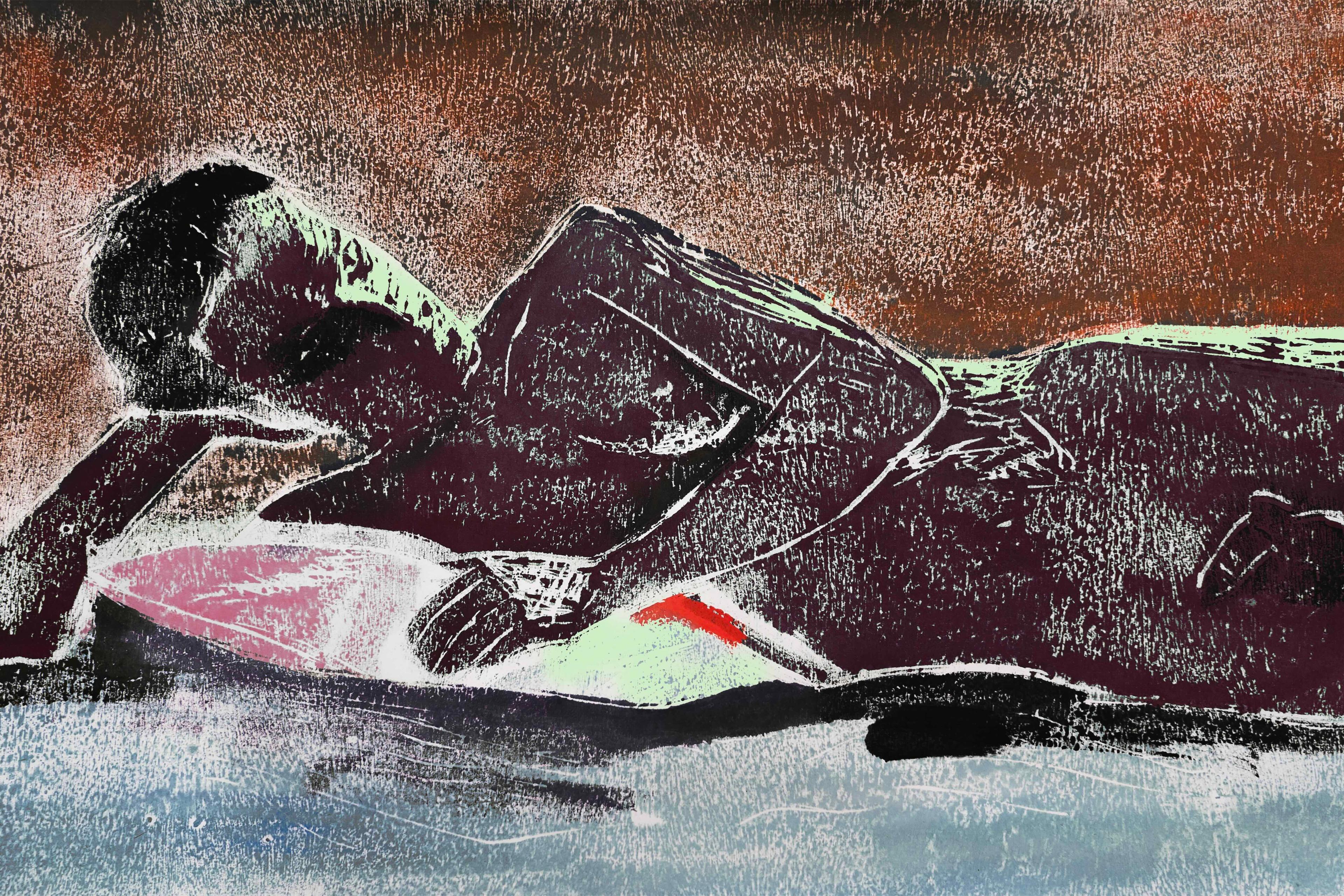
In The Songs of Maldoror (Canto II, seventh stanza), Lautréamont invokes the figure of the hermaphrodite— torn by the dilemma of their very nature. To choose one of the two sexes would be to deny themselves; to refuse that choice is to be condemned to the solitude of their own form. The hermaphrodite, who "mingles neither with men nor with women, for his excessive modesty, which has derived from his feeling that he is nothing but a monster, prevent him from bestowing his warm sympathy upon anyone." The poet, usually so cruel, reveals here a rare tenderness. This emblematic passage has never ceased to inspire artists. Alongside the original text, we present four woodcuts by Jill Mulleady and a previously unseen series of Mike Kelley. Reflections that never judge. Visceral echoes, stirred to the core by the singular fate of the hermaphrodite.
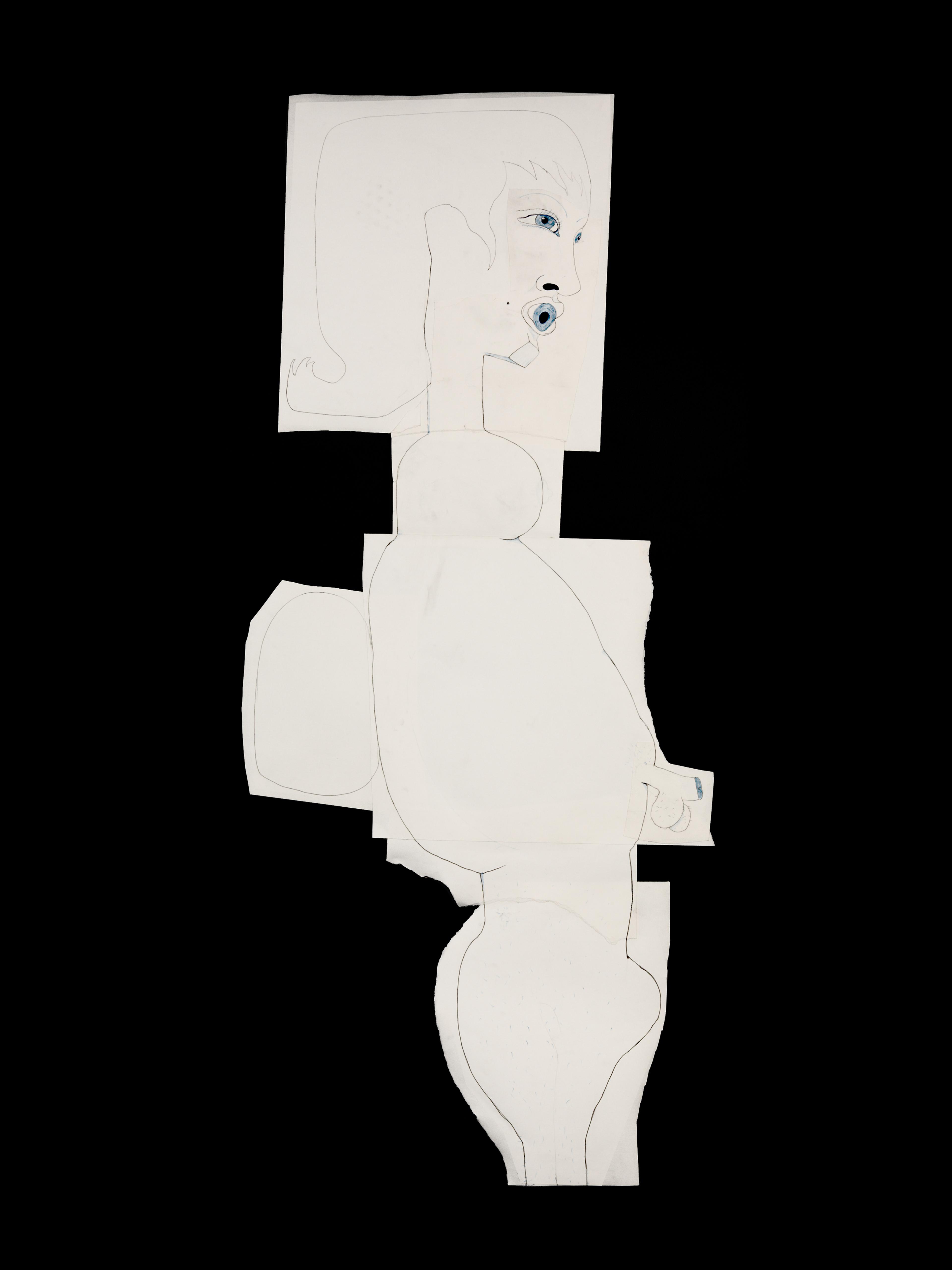
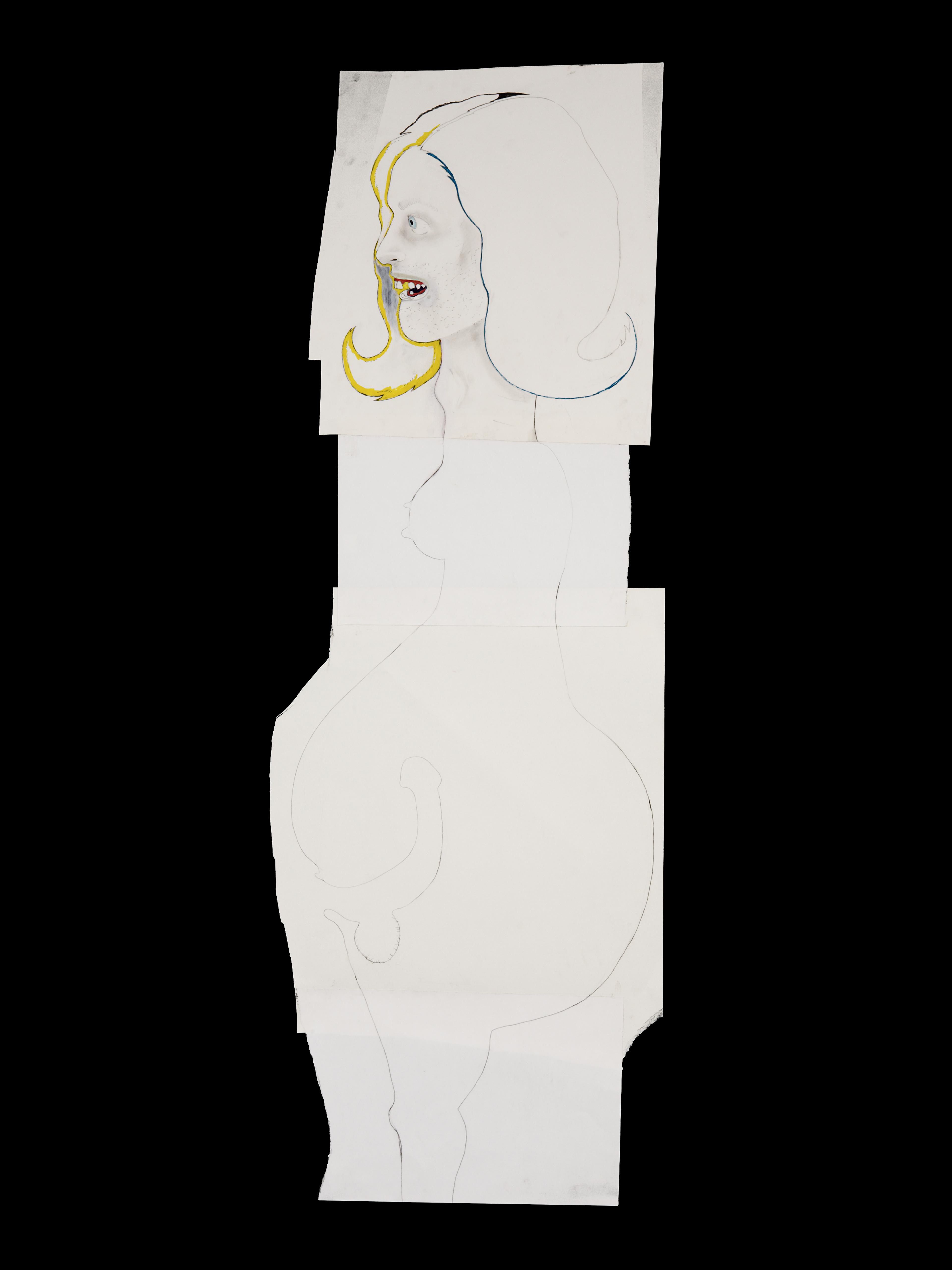
Yonder in a grove surrounded with flowers a hermaphrodite is sleeping, slumbering deeply on the greensward, drowned in his own tears. The disc of the moon has escaped from the heaped clouds and with her pale beams caresses the sweet young face. Manly power shines from his features, yet too they betray the tenderness of a heavenly virgin. Nothing in him seems natural, not even the muscles of his body which ripple about the harmonious contours of a feminine shape. One arm is bent across his forehead, the other hand is pressed against his breast as if to restrain the pulsing of a heart closed to all confidence and charged with the heavy burden of an eternal secret. Weary of life and ashamed to walk among those who resemble him not, despair has taken possession of his soul and he travels alone like a beggar in the valley. How does he exist? Compassionate souls watch over him without his knowledge and never abandon him: he is so good! He is so resigned! Sometimes he is glad to converse with sensitive persons, without touching their hands and holding himself at a distance in the fear of an imaginary danger. If they ask him why he has chosen solitude for a companion he raises his eyes towards heaven and represses painfully a tear of reproach against Providence; but he does not reply to that imprudent question that brings to snow-white eyelids the blush of a morning rose. If the conversation continues he grows restless, his eyes shift over the horizon as if seeking a loophole of escape from the presence of an invisible enemy. He raises his hand in an abrupt gesture of fare-well, goes off on the wings of his aroused modesty, and disappears into the forest. People generally take him for a madman. One day four masked men, acting under orders, threw themselves upon him and bound him firmly so that he could not move a limb. With whips they raised great welts on his back and told him to set out at once along the road to Bicêtre. He began to smile under the lash and addressed these men with much feeling and intelligence concerning the many human sciences he had studied, displaying an immense erudition in one still so young; and he spoke to them of the destiny of the human race, unveiling before them the poetic nobility of his soul, until his attack-ers, horrified at what they had done to him, released his battered limbs from the bonds, fell on their knees before him and implored his forgiveness, which he granted them, and took themselves off, their countenances expressing a veneration not ordinarily bestowed upon men. After that occurrence, which was much discussed, everyone guessed his secret but pretended to be ignorant of it in order not to multiply his distress; and the government granted him an honorable pension to make him forget that once they had wanted to shut him up forcibly, without verification, in a madhouse. Half this money he spends on himself, the rest he gives away to the poor. Whenever he sees a man and a woman strolling down some grove of plane trees he feels his body split in twain from head to foot and each new part yearns to embrace one or another of the strangers. But this is only an hallucination and reason is not slow in repossessing her empire. For this reason he mingles neither with men nor with women, for his excessive modesty, which has derived from his feeling that he is nothing but a monster, prevents him from bestowing his warm sympathy upon anyone. He would feel that he was profaning himself and others. His pride repeats to him this axiom: "Let each one be sufficient unto himself." His pride, I say, for he fears that in joining his life with that of a man or a woman he would be reproached sooner or later, as with a great crime, with the conformation of his body. So he entrenches himself behind his pride, offended by this impious supposition that exists only within him-self, and he persists in remaining alone and inconsolable with his torments. Yonder in a grove surrounded with flowers a hermaphrodite is sleeping, slumbering deeply on the greensward, drowned in his own tears. The awakened birds gaze with delight through the branches of the trees upon that melancholy countenance, and the nightingale is reluctant to unloose the crystal torrent of her song. The forest has become austere as a tomb from the nocturnal presence of the unhappy hermaphrodite. O wandering traveler, by the adventurous spirit that inspired you in your tender youth to abandon father and mother; by the torture of the thirst you suffered in the desert; by the homeland perchance you are seeking after wandering, an exile, in strange lands; by your horse, your faithful friend, who has borne with you the exile and the intemperance of climates into which your wandering spirit led you; by the dignity a man gains through his wanderings over distant territories and uncharted seas, amid polar glaciers or beneath the torrid suns of the tropics: touch not with your hand as with the trembling of the zephyr's breath these locks of hair spread out on the ground to mingle with the green grass. Step back to a distance and you will do better. Those tresses are sacred; it is the hermaphrodite who wished it. He does not desire that human lips shall reverently caress his hair, scented by the breath from the mountain, nor his brow, which is resplendent now like the stars of the firmament. But it would be easy to believe that a star itself had descended out of its orbit while traversing space, to rest upon that majestic brow and to surround it with diamond brilliance as a halo. Night, dismissing sadness, adorns herself in all her charms to pay homage to the slumber of this incarnation of modesty, this perfect image of angelic innocence; the murmuring of insects is suppressed. The trees bow their burdened branches over him to protect him from the dew and the night breeze, sounding its tuneful harp, sends towards him joyous harmonies through the universal silence, towards those closed eyelids which seem to take part, motionless, in the cadenced concerto of suspended worlds. He dreams that he is happy; that his bodily nature has changed; or at least that he is being borne away upon a purple cloud to another sphere where dwell beings like himself. Alas! May his vision endure until the awakening of dawn! He dreams that flowers dance around him in great crazy wreaths, bathing him in their sweet breath, while he, locked in the embrace of a human being of enchanted beauty, sings a psalm of love. But it is only the evening mist he crushes in his arms and when he awakens they will be empty. Sleep on, hermaphrodite, awaken not, I implore you. Why will you not believe me? Sleep... sleep forever. Your breast may rise and fall as you pursue the ethereal hope of happiness, that I will allow you. But do not open your eyes! Ah, do not open your eyes! I want to leave you thus, I do not wish to witness your awakening. Perhaps one of these days upon the passionate pages of some mighty tome I shall recount your history, appalled by what it brings forth. Hitherto I have not been able, for each time I have tried copious tears have fallen upon the paper and my fingers have trembled, but not because of old age. But in the end I yearn for the courage. I am incensed that I should have no more nerve than a woman, and that I should swoon like a girl whenever I contemplate the depth of your misery. Sleep... sleep forever. But do not open your eyes! Farewell, hermaphrodite! I shall not forget to pray to Heaven for you each day were it for myself I should not pray at all!. Let peace dwell within your breast!
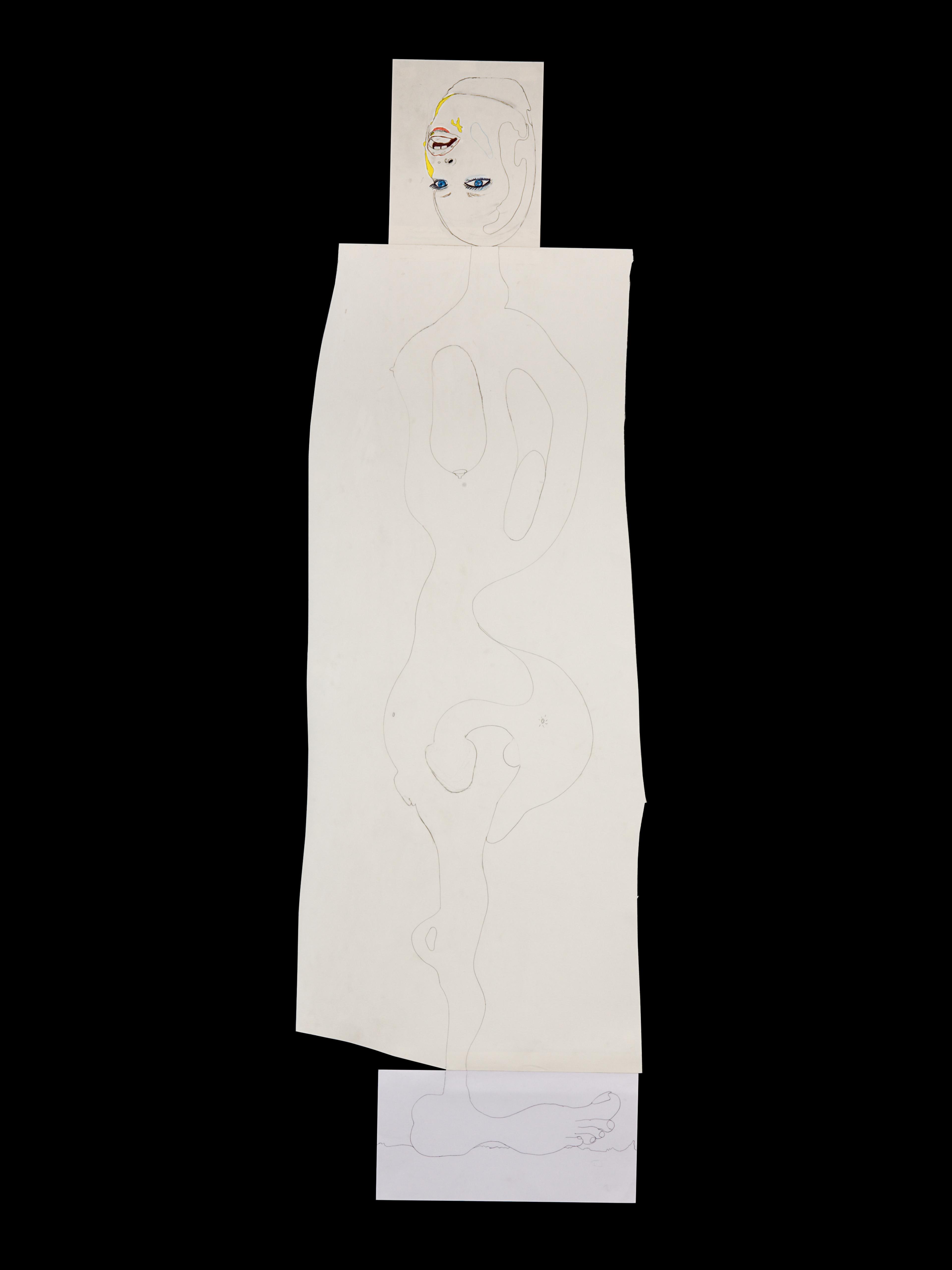
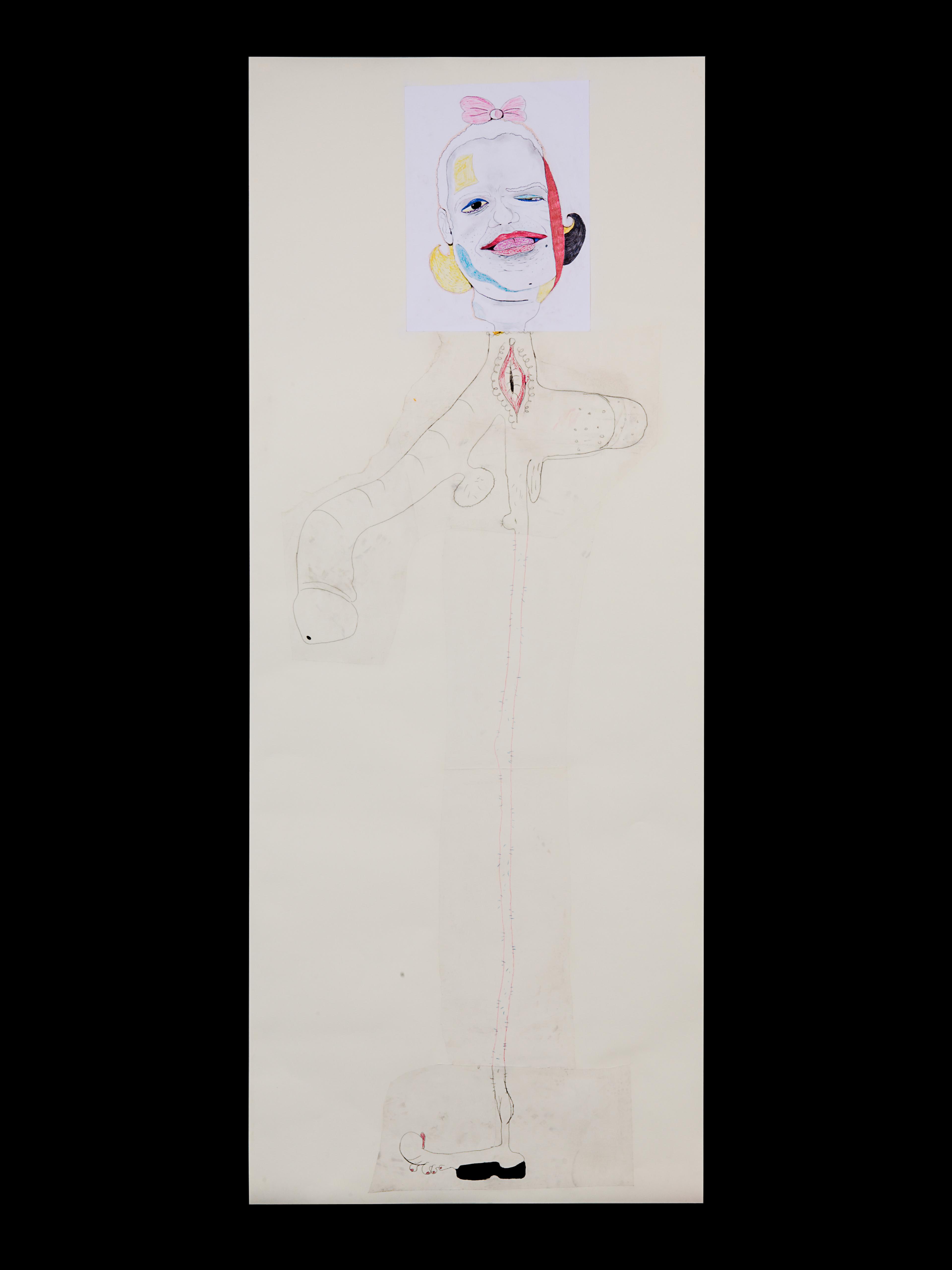

Credits
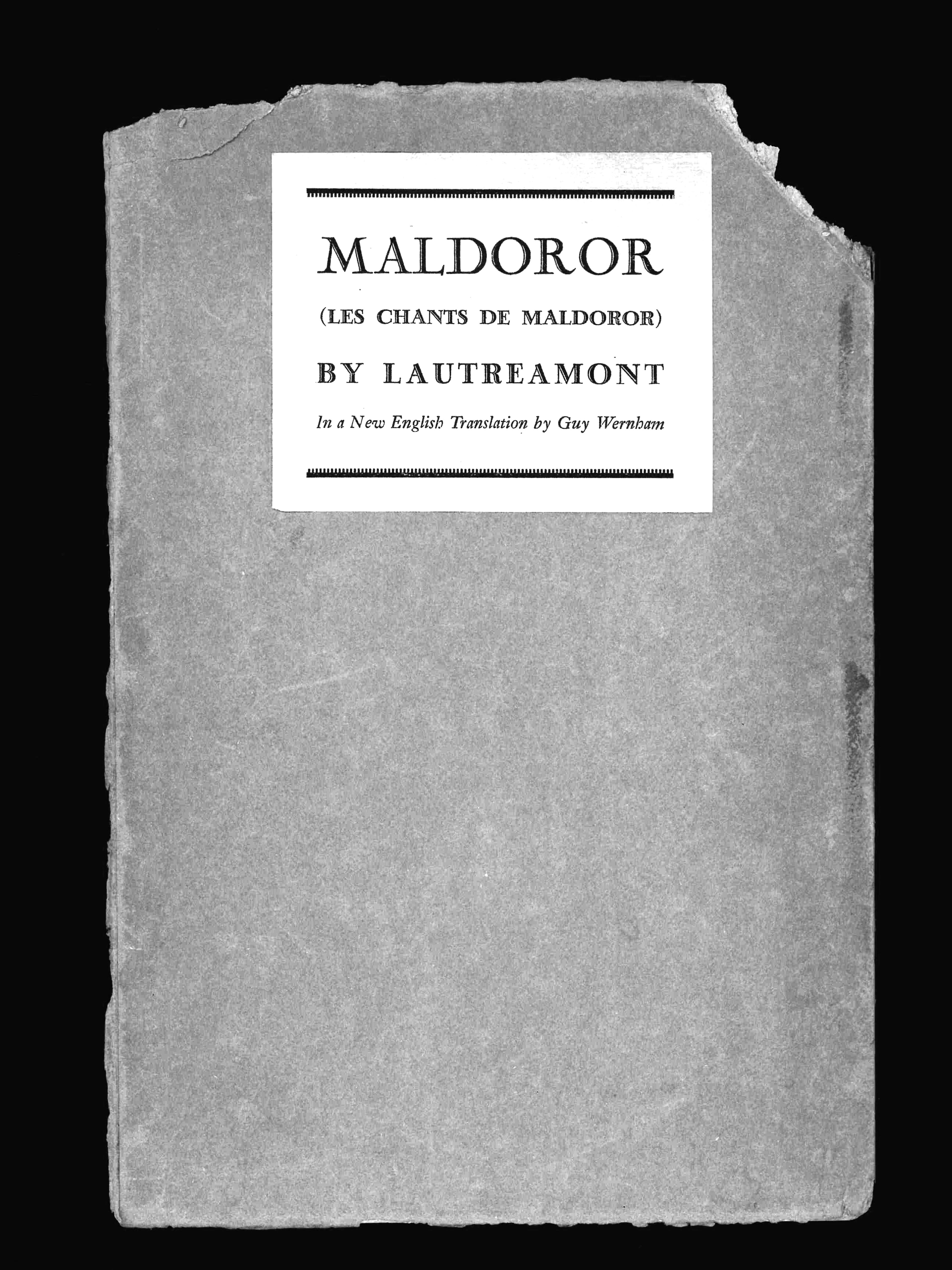
Lautréamont, Maldoror (1869)
English translation by Guy Wernham, Peter Owen Publishing, 1943
Jill Mulleady, The Hermaphrodite, 2025
Woodcuts monotypes on paper
©2025 Jill Mulleady
Courtesy of the artist and Gladstone Gallery
Mike Kelley, Mr. and Mrs. Hermaphrodite (Detail), 2005
Mixed media 62 x 20 1/4 in.
Mike Kelley, French Flip, 2006
Mixed media 68 x 29 1/3 in.
Mike Kelley, Cartesian Sissy, 2006
Mixed media 50 5/8 x 34 in.
Mike Kelley, Neo Romantic, 2006
Mixed media 54 x 30 1/4 in.
Mike Kelley, Three Part Progression (detail), 2005
Mixed media 40 1/8 x 32 3/8 in.
Mike Kelley, Three Part Progression (detail), 2005
Mixed media 40 1/8 x 32 3/8 in.
Mike Kelley, Transvestite Henry Moore, 2006
Mixed media 83 x 25 1/4 in.
Mike Kelley, Sister, 2005
Mixed media 90 7/8 x 36 in.
©Mike Kelley Foundation for the Arts.
All Rights Reserved / VAGA at ARS, NY.
Courtesy of Mike Kelley Foundation for the Arts