
Introduction
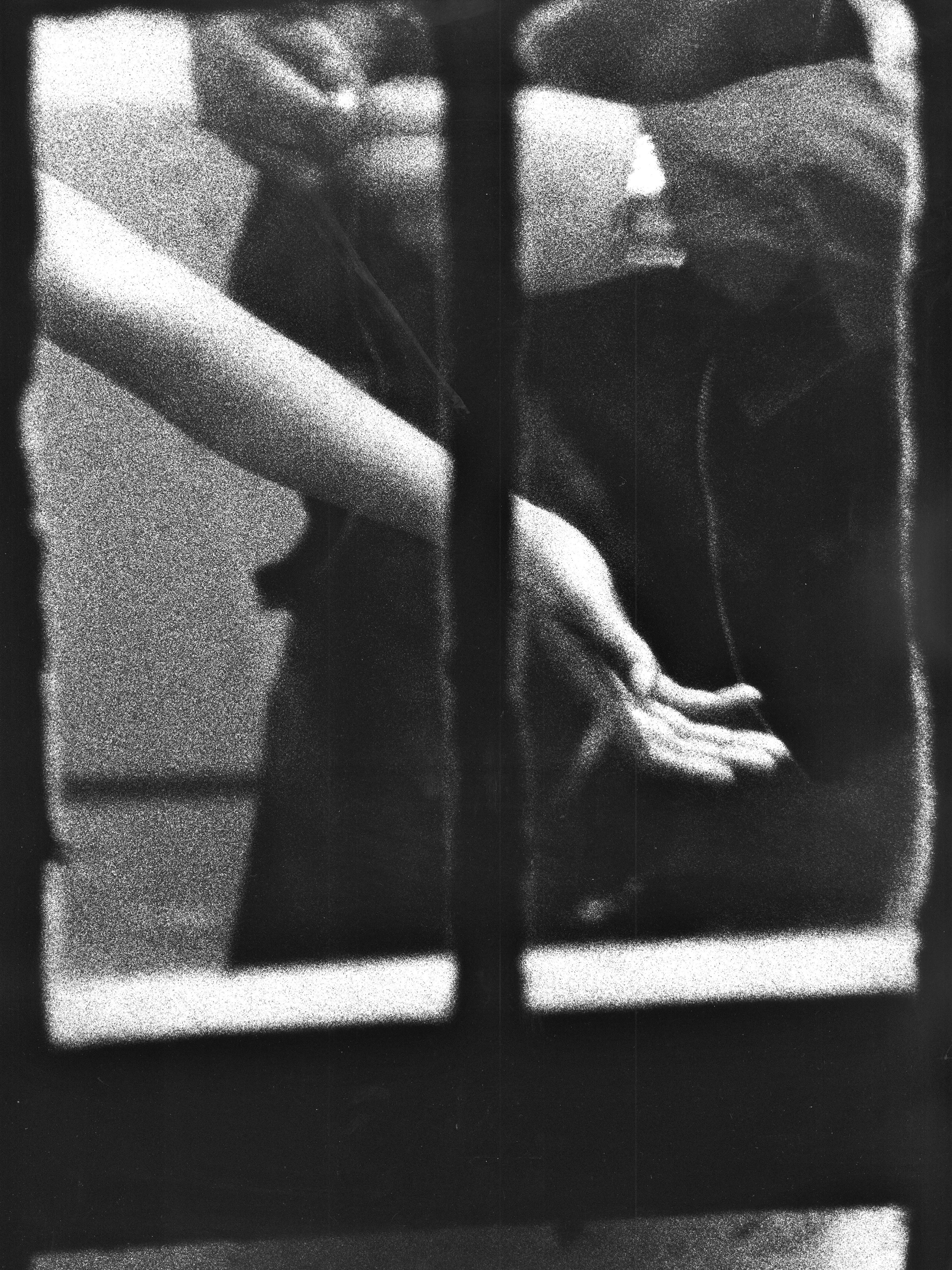
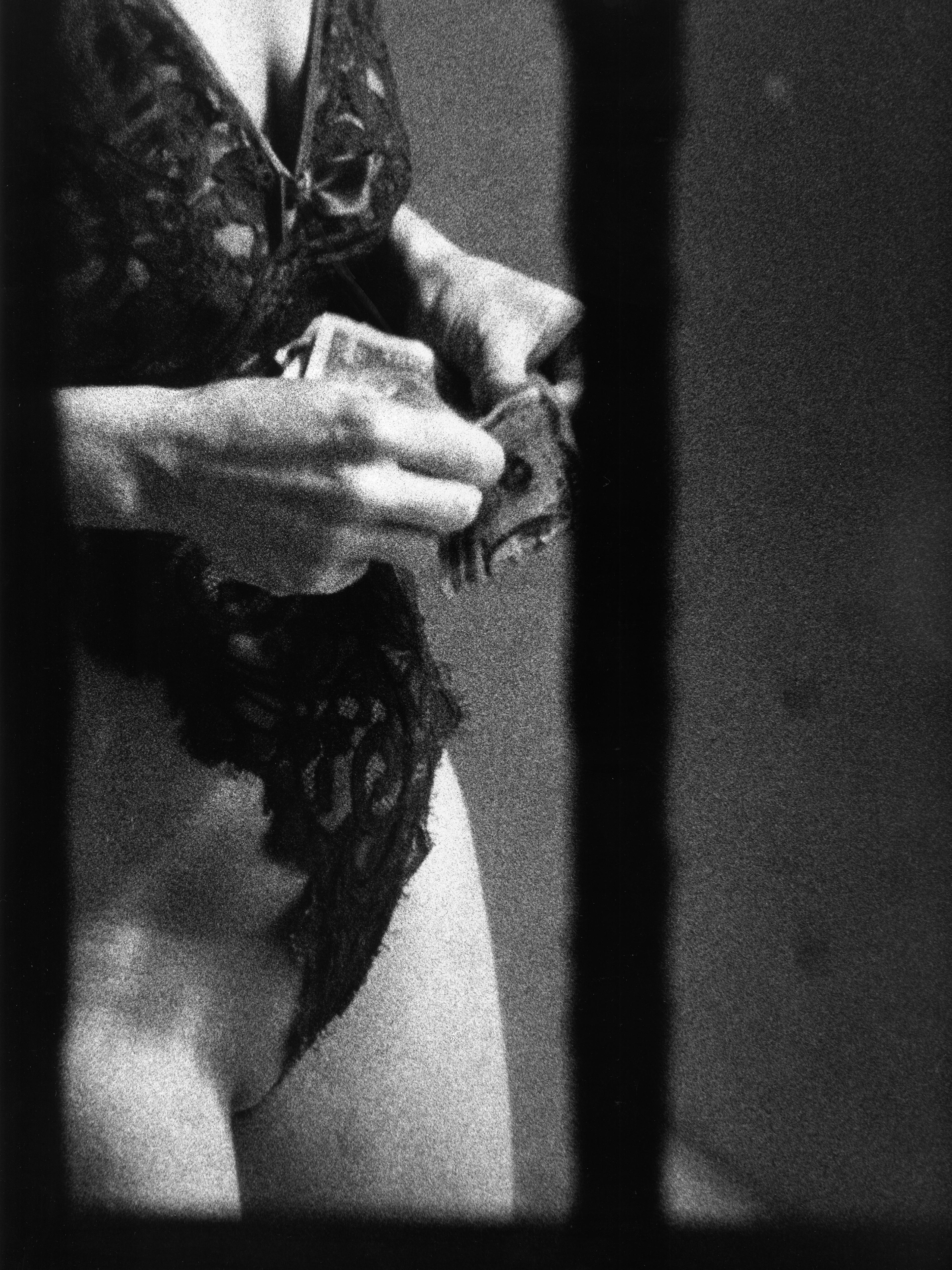
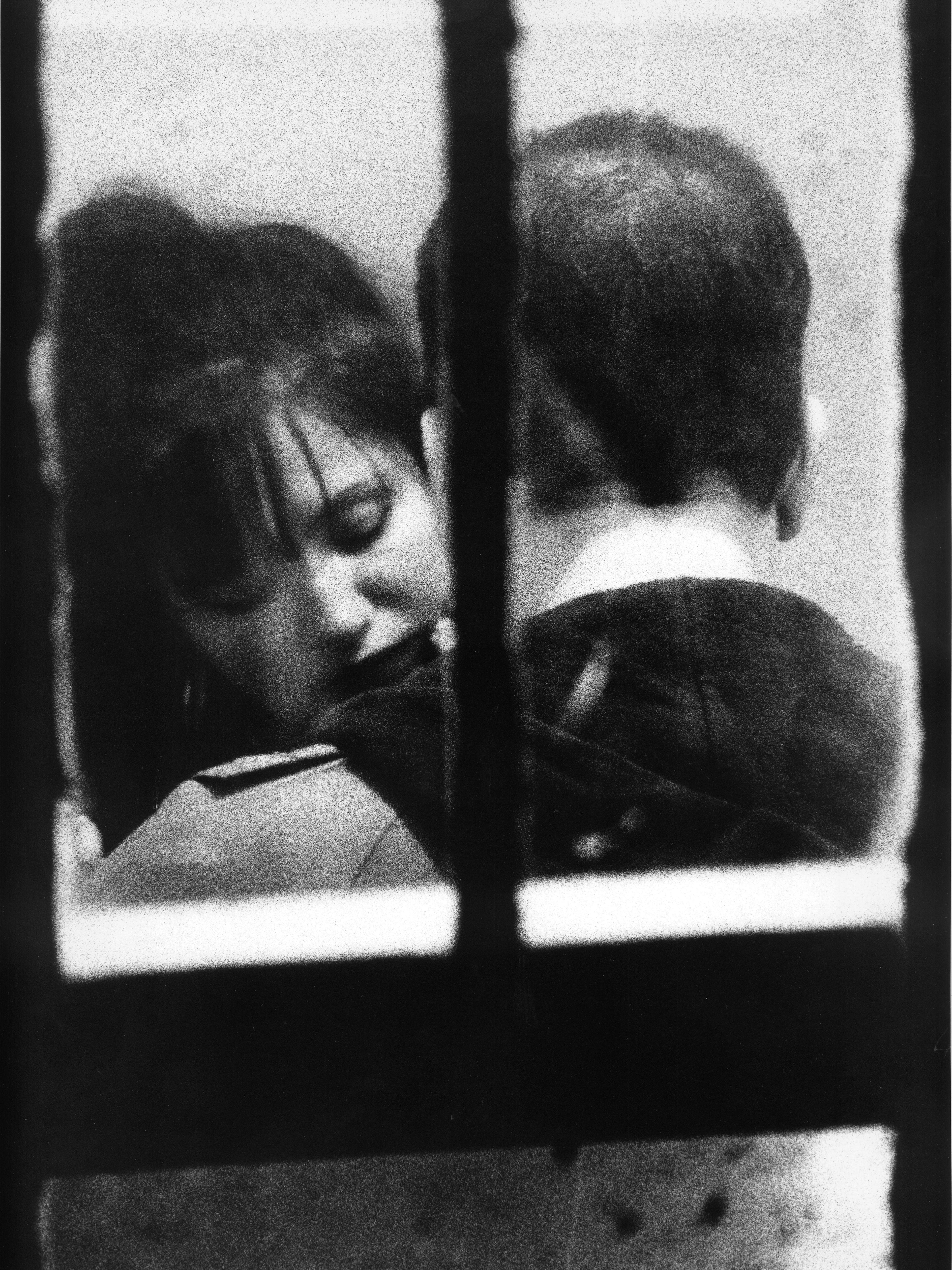
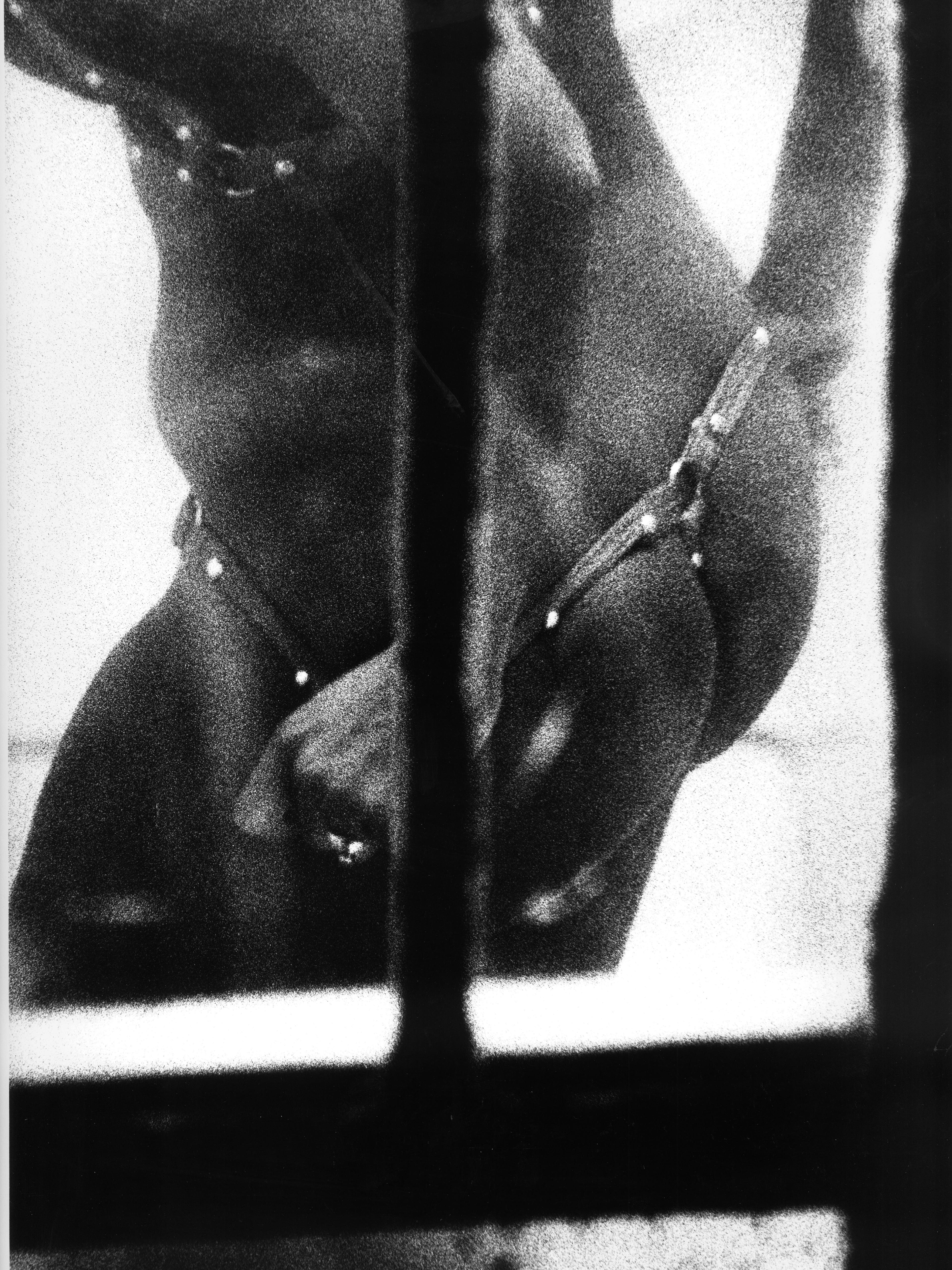
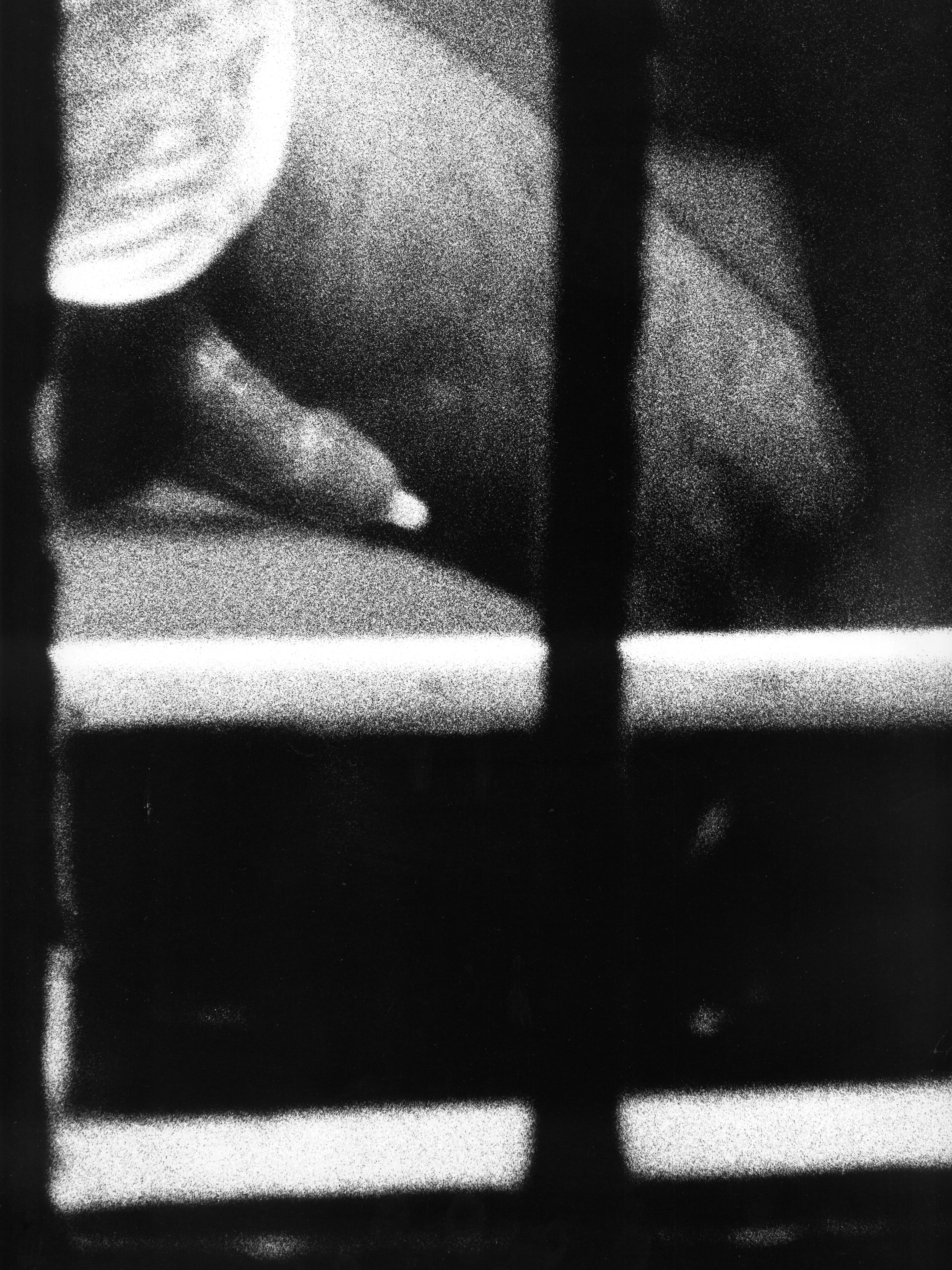
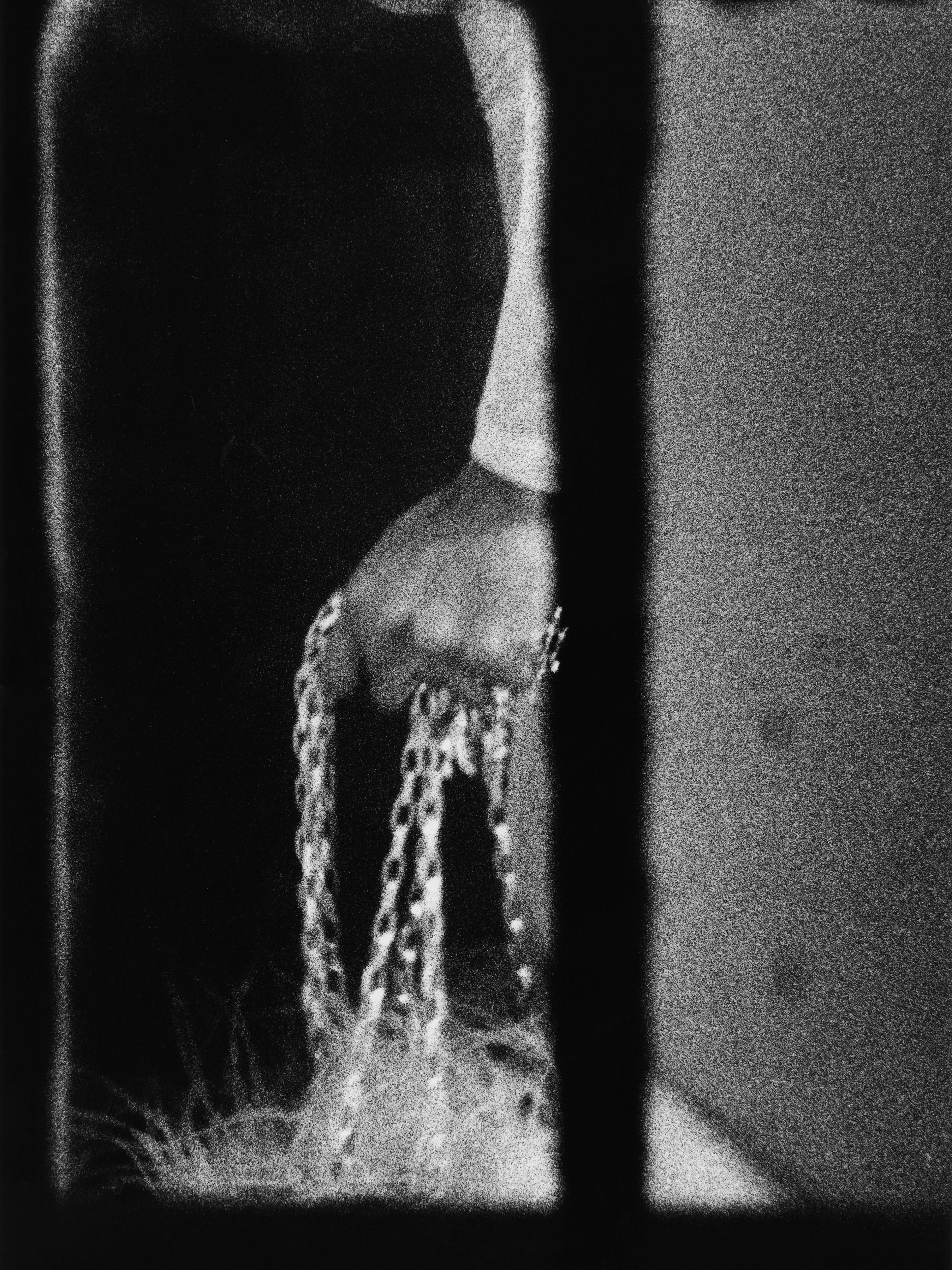
One evening in 1993, Merry Alpern visited a friend living in Manhattan's Wall Street district. At the back of the loft, she discovered a window overlooking the bathroom of an illegal strip club. Night after night, she watched a parade of suited traders and dancers in sequins exchanging kisses, cash, and drugs—in a clandestine choreography of desire and illicit transactions. For six months, Alpern assembled a body of work as powerful as it is unsettling. Dirty Windows is no mere expression of voyeuristic curiosity. It is a striking vision of the human condition-wretched and sorrowful even in its most sordid pleasures. When first shown in 1994, the series sparked scandal. The National Endowment for the Arts withdrew the artist's grant, but the act of censorship only accelerated her rise to prominence. Cult for some, provocative to others, Merry Alpern's work offers a two-way vertigo of being both watcher and watched. We reproduce here twenty-six photographs from the series, along with a souvenir written by the artist.

I used to have a recurring dream, it went like this: I'm spying on some activity in the window when, suddenly, the subject becomes aware of my presence and looks up. We lock eyes. I know I'm in big trouble. I gasp and wake up.
The New York winter of 1993-94 was something like the second coldest or snowiest in history. Weekly blizzards vied for one-upmanship, causing depression in some people and exhilaration in others. The Sanitation Department ran out of salt. I spent most of my nights that winter down on Wall Street looking into a bathroom win-dow, watching people I didn't know urinate, take drugs, have sex and count money.
This routine started in October when a men's club opened in my friend Norman's building. He showed me how the configuration of his loft space enabled a view across the airshaft, into two small grimy windows, one flight down, maybe fifteen feet away. As we stood looking into the empty windows one of them was suddenly filled by an astonishing body, wearing a sparkling harness, and doing something with toilet paper. I was transfixed. The body vanished a minute later and I wondered if I'd seen a mirage. I began calling Norman all the time, as relentless as the snow. Could I come over for just a little while?
Around five or six o'clock I'd arrive and climb the stairs past the club's door-unmarked, just lots of locks and a peephole. A group of men on the steps, laughing and drinking, sometimes called out to me. "Hey, aren't you working tonight?" Bundled up, trying to make my photo equipment inconspicuous, Id duck my head and murmur some unintelligible sounds.
When I arrived at Norman's loft we skipped the small talk and would speculate instead on the likelihood of a "good night," the indicators being everything from current weather conditions to the level of bass vibrations coming through the floor. Then I would head into the back room to arrange my setup and begin my vigil. It was always such a relief to see the windows lit against the familiar darkness, their luminous rectangles casting light up at me in a reassuring way. So now I'm situated-dark clothes, camera on tripod, lens extended through the window bars-and waiting. I'm staring at the squares of light, eager for somebody to appear, but nobody does so I sip my cocoa, watch and wait, eyes on the windows, on the lookout for any stirrings of life. I listen for the music and wonder if the night's snowstorm will slow business down. Maybe twenty minutes later I'm in a trancelike state, still staring at the empty glowing squares, unable to discern whether the windows are flat planes of light or openings onto three dimensional spaces. The room is freezing. I wrap up in some blankets and close my eyes, afterimages float in my brain—the same unwavering shape in a multitude of colors. I start to count, tell myself that when I get to one hundred someone will appear.
I try, like a two-bit psychic, to will a subject into view; it doesn't work. I'm hungry and wonder what's in Norman's refrigerator. It's getting late. I keep checking my watch every few minutes, then I force myself not to look any-more. Finally, there's nothing left to do but examine my motivations: Why am I sitting alone again in a darkened room, waiting to watch strangers fuck?
Id sometimes get a look like I'd announced I was twisting the heads off kittens when I tried to explain my evenings stationed at the windows. I loved to watch even the most mundane of anthropological details like how each man, after he urinated, shook his penis a little differently and none of the men ever seemed to wash his hands. I compared the tawdry, circus-like costumes the women wore, and was intrigued by the procedures of the sexual transactions: when the condom came out, when the money was handed over, how long it took, did they kiss goodbye. Recurring characters gave these pantomimes a soap opera quality and I'd try to decipher plot lines and guess the next scene. These minidramas and their unvarying props—condoms, tattoos, silicone, crack-filled my head and I began to think about the windows all the time. They found their way into my dreams.
I started to feel watched, always closing blinds and turning off lights. Sitting in the dark with my camera, I'd scan the buildings and rooftops and wonder who watched me while I sat and watched. When a mirror was propped up in the window, blocking a portion of my view, I became convinced I'd blown the spot but it gave me a new perspective for several weeks; eventually pieces started breaking off and it finally disappeared al-together. As February turned into March I became aware that the longer days were cutting into my shooting time.
The warming air meant open windows and I felt I was pushing my luck with my subjects so close, the sound of the camera's motor easily recognizable. And then one spring day, one thousand frames later, a message on my machine from Norman: "It's over, baby, hope you got all your pictures, some kind of bust, hot tub being carried out last night...." I felt freedom, relief, disbelief. I had to go back several times to stare at the windows and absorb this turn of events, like viewing a body at a wake. I ran into the building's real estate agent in the hallway and found myself improvising a frantic story about my search for a commercial space, a loft. Was there a space available in this building? Could I just take a quick peek? And finally I stood with the agent in the enormous empty room, painted in shades of turquoise and lavender, a makeshift wooden platform in the center of the space. I rushed toward the back room marked WOMEN and, ignoring the agent's questioning looks, I began to take all sorts of measurements, recording every dimension of the little bathroom on a scrap of paper. It seemed important to gather this information, the numbers giving the mythical room a concrete reality.
This tiny, tiny bathroom was so anticlimactic. How could all that I'd witnessed have taken place in such cramped quarters? I gazed out and across, locating my former perch. It was really so inconspicuous: I realized then the unlikelihood of my ever having been discov-ered. And I took one last look up at the windows, from which I had watched, for so many days, the pastimes of perfect strangers.
Credits
Merry Alpern, Dirty Windows (1993-94)
Text and photographs
©1993-94 Merry Alpern
Courtesy of Galerie Miranda