
Introduction
The author of Le Parti pris des choses (1942) was destined to write about still life. In the third issue of Art de France, Francis Ponge finally did so, offering his vision of the genre’s great master: Jean Siméon Chardin. Separated since that date, Ponge and Chardin now reappear together on the page. De la nature morte et de Chardin (1963) brings back the words, the fruit, the plates, the flowers, and the silver goblets—because “the drama that meeting them constitutes, their respect, their setting, this is one of the greatest subjects there can be.”
Francis Ponge
At each instant
I hear
And, given the leisure,
I listen to
The world as a symphony
And, although I could in no way imagine myself
directing its performance,
Nevertheless, it is in my power to wield
certain engines or appliances
Comparable to amplifiers, switches,
screens, loudspeakers,
Much in use for some time in
certain operations.
I’ve even become rather expert,
Like an agile organist or a good conductor,
At being able to bring out—
Not exactly what you would call silence—
But the undertone, the unremarked,
This or that voice, so as to enjoy it
And let my clientele enjoy it.
I really feel a great pleasure
In playing with this instrument.
When,
With the eye and the end of my pen—
Wielded like a conductor’s baton,—
I plunge solo into The Candle, for example,—
What has it to say?
—OK, I listen to it.
Francis Ponge
The other day, at the restaurant where we went to dine
with some friends, H. C. was saying thrilling things to me:
all the current problems were being discussed.
Still engrossed in talk, we went down to the lavatory.
Well, I don’t know why, suddenly,
The way my friend threw down the towel,
Or rather the way in which the towel was
rearranged on its rack—seemed to me much more
interesting than the Common Market.
And this towel seemed to me more reassuring too
(as well as upsetting). And during the dinner
I was thus attracted several times.
Allow me to note, moreover,
that such a faculty of sudden accommodation of the mind
can present real advantages, in situations of serious anxieties
or of physical pains for example.
When you have a bad toothache it is a very
good idea to congratulate yourself at the same time for the excellent state
of the rest of your body.
I swear it relieves you.
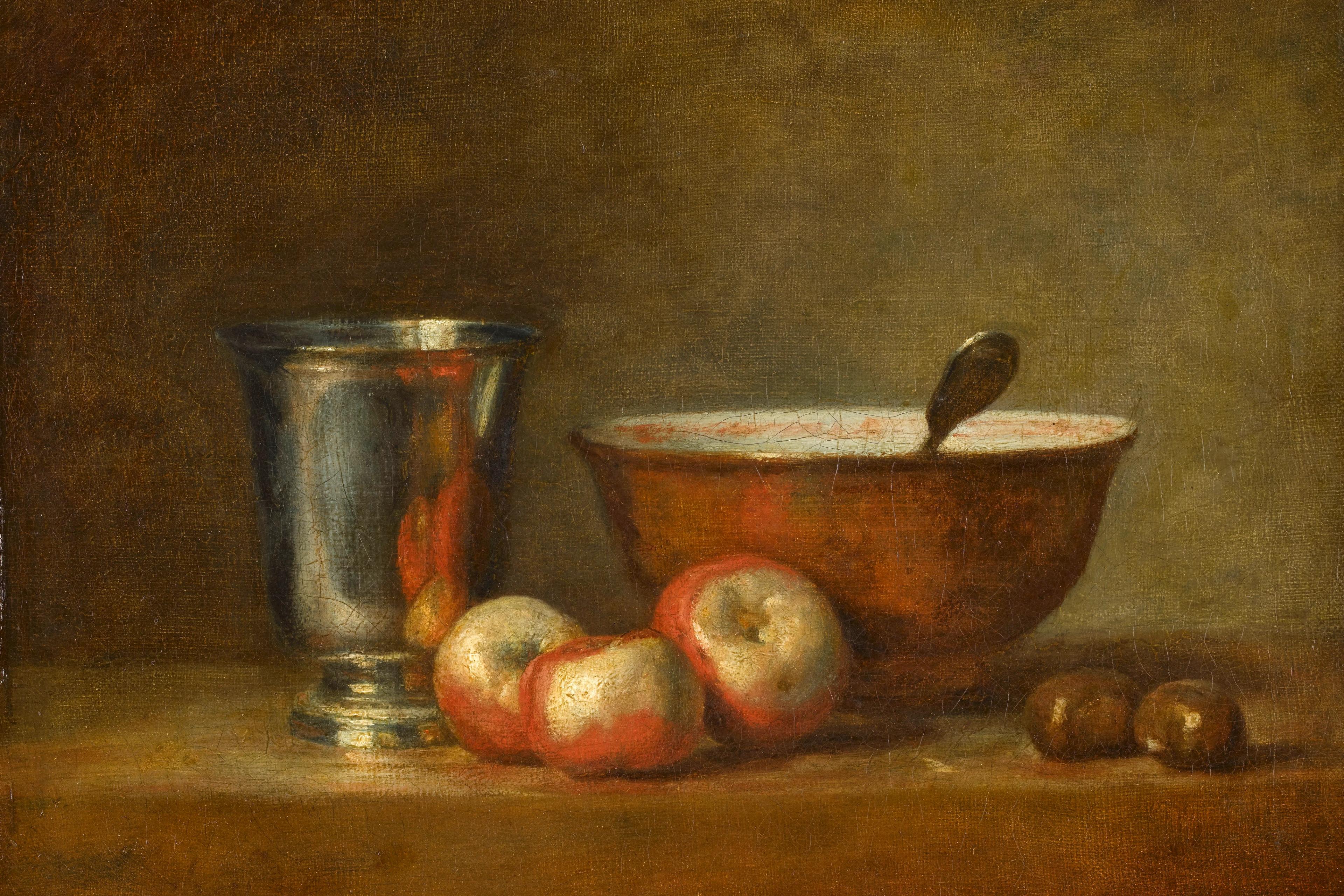
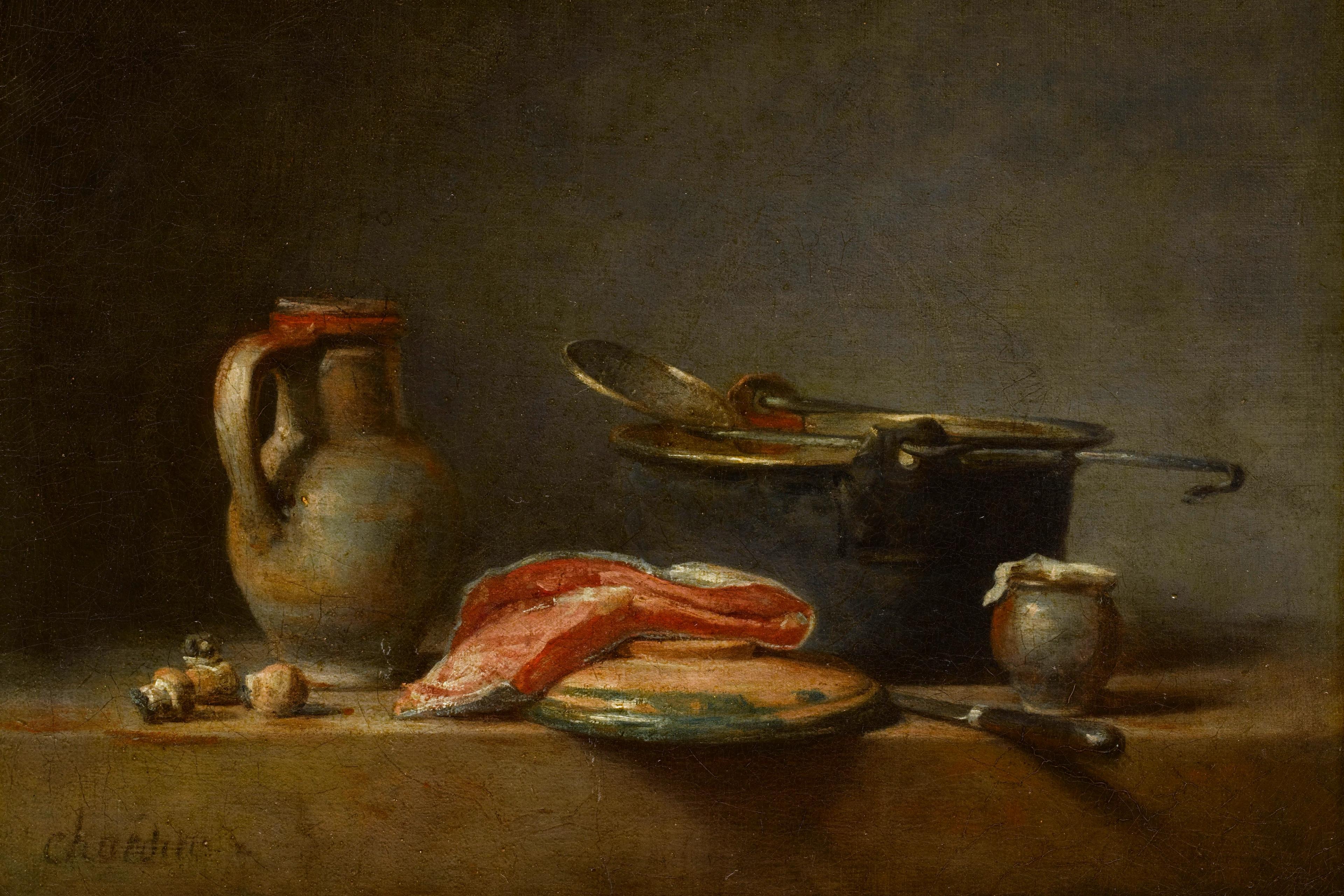
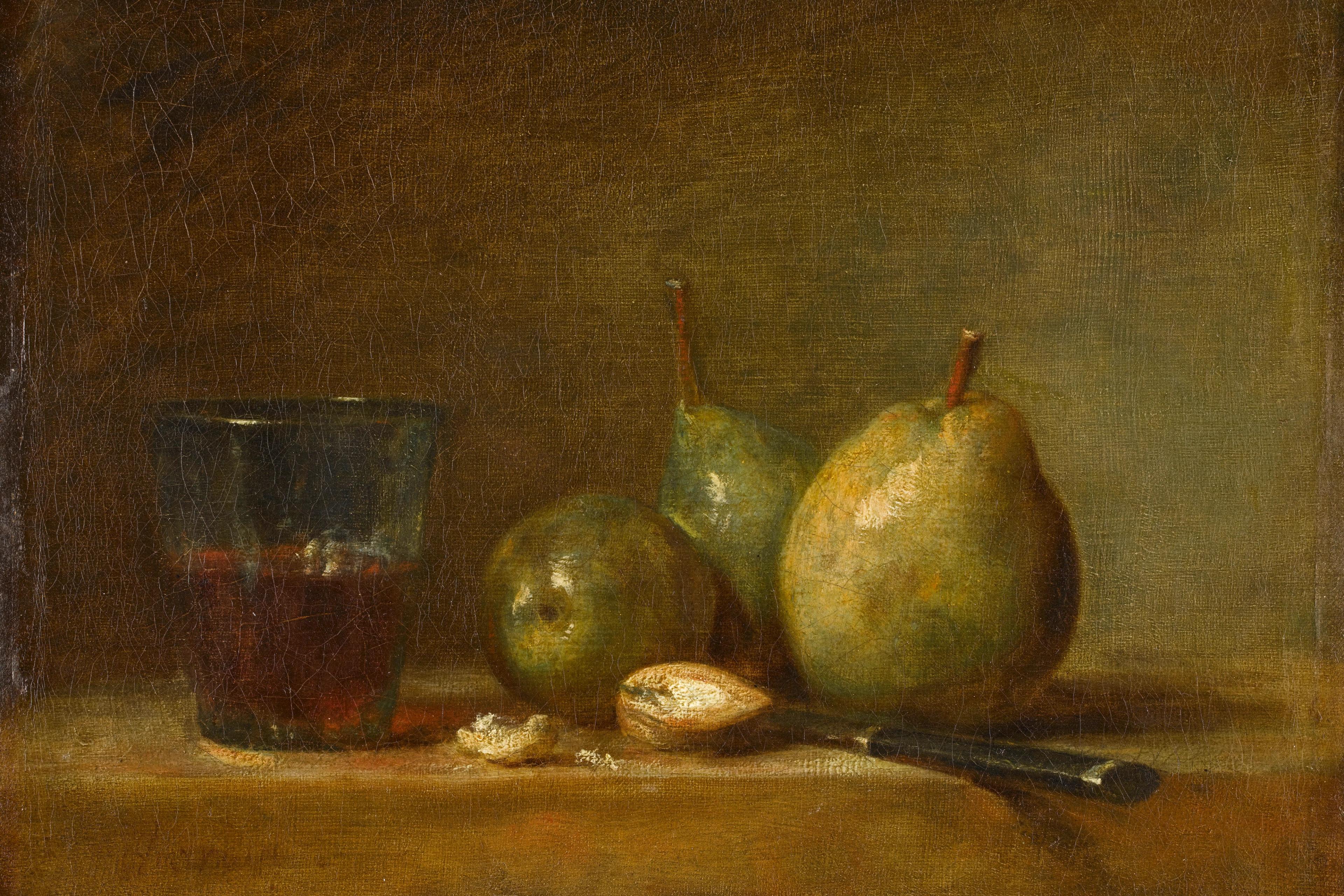
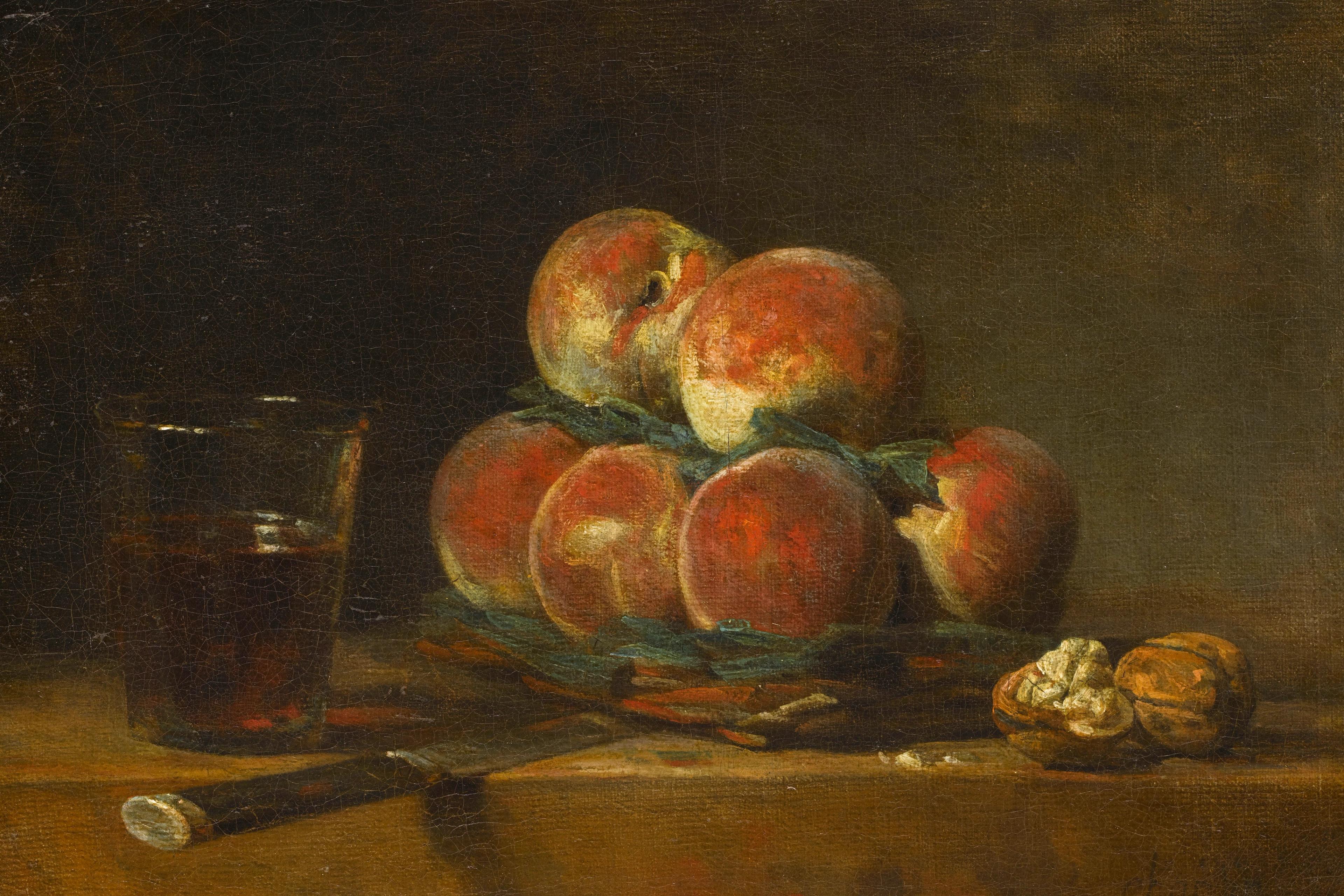
These peaches, these nuts, this wicker basket,
these grapes, this metal mug, this bottle with its
stopper of cork, this brass cistern, this wooden mortar,
these smoked herrings,
There is no honor, no merit in choosing
such subjects.
No effort, no invention; no proof here
of intellectual superiority. A proof rather of laziness, or
indigence.
Starting off so low, it is going to need right away
so much more attention, care, talent, genius,
to make them interesting.
We risk mediocrity and platitude at every point; or
affectedness and preciosity.
But certainly their way of encumbering our space,
of becoming salient, of becoming (or making themselves) more important
than our regard,
The drama (and the occasion also) that meeting them constitutes,
Their respect, their setting,
This is one of the greatest subjects there can be.
How is it that this is bourgeois?—These are goods close at hand,
What you possess, what you keep around you.
This cauldron. This chamber music.
Chardin didn’t live in a world of gods or heroes
of ancient mythologies or religion.
When ancient mythologies are no longer
anything to us, felix culpa!, we begin to feel again
daily reality religiously.
I believe that more and more recognition
will be devoted to artists who will be made proof, by silence,
by pure and simple abstention from themes imposed by
ideologies of the time,—of a kind communion with the
non-artists of their time.
For they will have been at the really living
depths of our time, in its inspired state of mind
—not counting its ideological superstructures.
As you start out from the bottom, as no effort is
given, or lost, to raising yourself to the level of an elevated
or brilliant remark,
All else that comes, all that the artist’s
genius adds appears to transfigure the manner,
changes the language, gets the mind moving, constitutes
a magnificent progress.
So it is with Rameau.
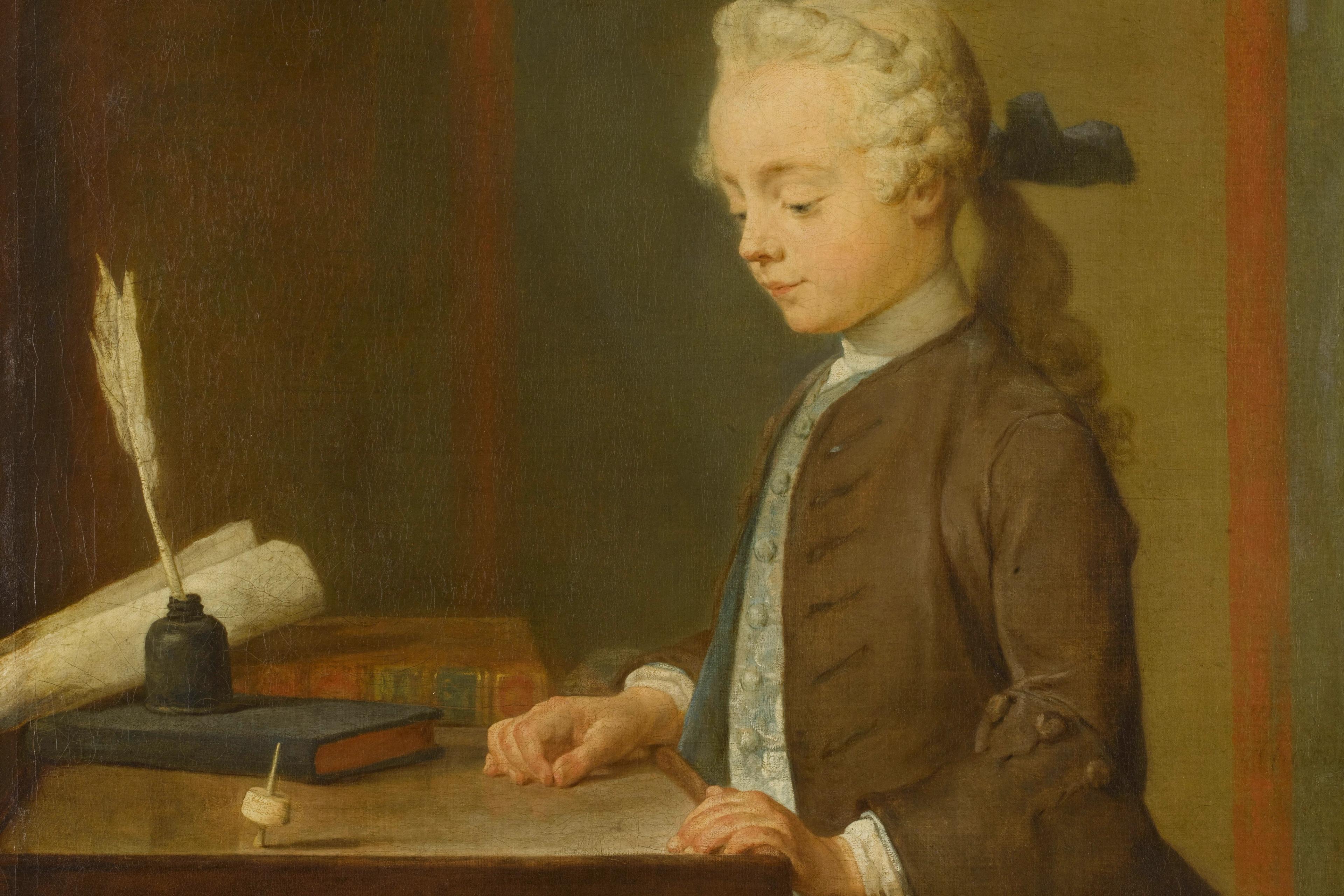
So too with Chardin, the “sense of emptiness,” for example,
around the teetotum or the dice-player; or that of a
“dreamy light,” in the antiquarian monkey.
Try to treat the most common of subjects
in the most banal way: that’s when your genius will appear.
In a gavotte by Rameau, all France dances,
in a way that is at once noble and joyous, aristocratic and
peasant, enthusiastic and spiritual: grave and graceful
at once.
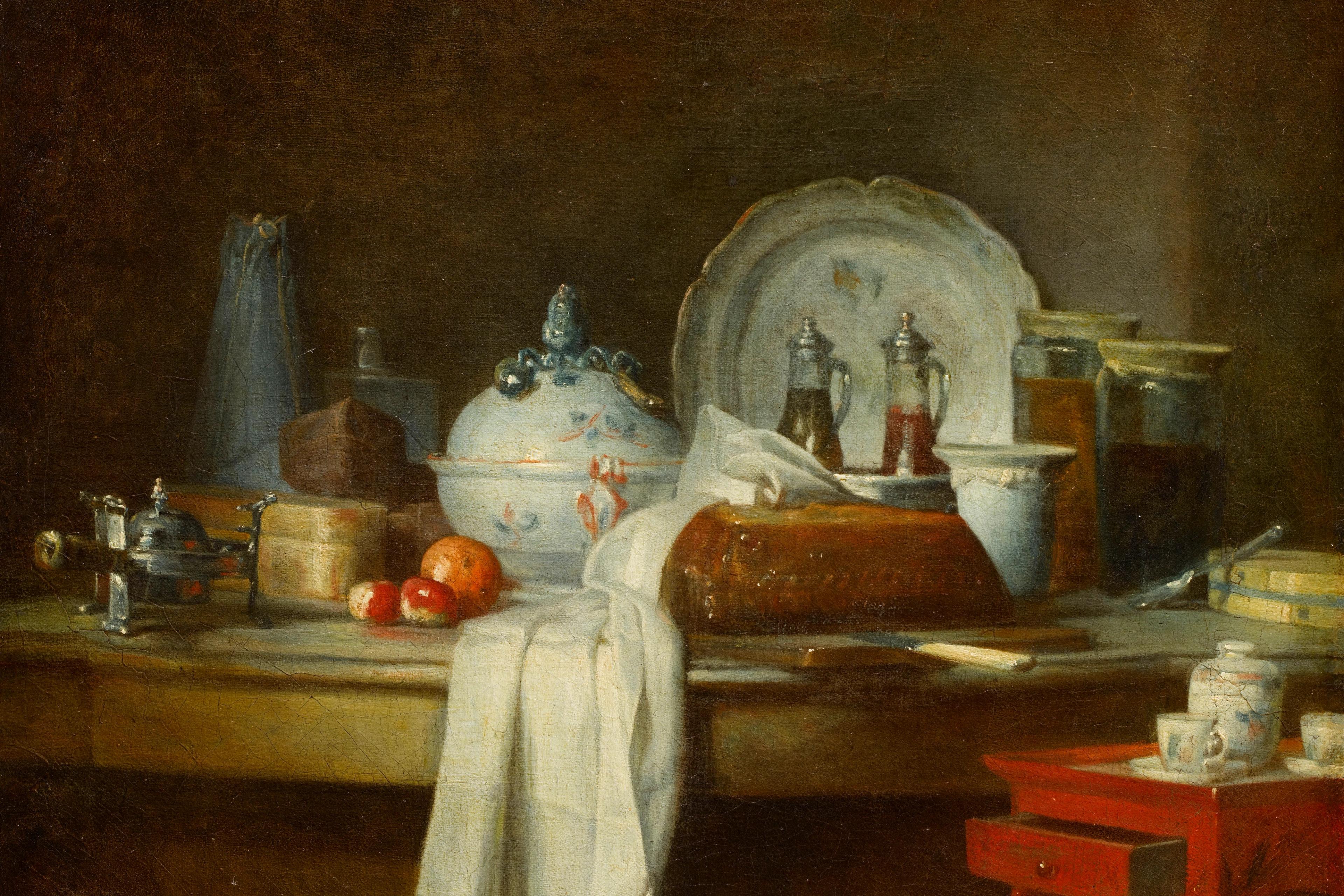
In Chardin’s brass cistern, in some
peaches next to a silver mug, not far from a
basket of grapes, under the opening of a kitchen wall
where the small corner of a romantic landscape can be seen, there are
all the thighs of nymphs, the uniforms of French guardsmen,
all the noble and delicate values
of the eighteenth century. And the enthusiasm of the Vestris.
This is put, if you will, right in the hollow of your
hand. Without seeming even to touch it. Without uttering one
noble word. Without theatrics, without any special get-up.
Calmly lowering your eyes again to the
goods nearby, the mind and the spirit are the restored to equanimity,
for the time being.
But the grandeur, the drama are immediately rediscovered
(enthusiasm and occasion, also).
The step is found again.
Isn’t death present in the heart’s normal pulsation,
in the normal tempo of respiration?
—Certainly it is, but it occurs without precipitancy.
Between the peaceful and the fatal, Chardin keeps a
meritorious balance.
The fatal, for me, is so much more sympathetic
when it moves steadily on, without demonstrative outbursts, goes of itself.
Here then is “health.”
Here our beauty.
When all is rearranged, without getting all dolled up, in
an illumination of destiny.
This is also why the least still life is
a metaphysical landscape.
Perhaps it all comes from the fact that man, like
all individuals of the animal kingdom, is in some way
too much in nature: a sort of vagabond who, during
his lifetime, seeks the place at last of his rest: his death.
This is why he attaches so much importance to
space, which is the place of his vagabondage, of his divagation,
of his slalom.
This is why the least arrangement of things
in the least fraction of space fascinates him:
In the wink of an eye he deems it his slalom, his destiny.
And not only the disposition of the entrails of
sacred fowl, that of cards shuffled and spread out upon the
table, that of the grounds of coffee, that of dice when they
have just been cast.
The great signs are not only in the skies.
And there is no fatal instant, or rather every
instant is fatal.
It isn’t only on the last morning that a
sensitive man savors in an exact light a cigarette
or a glass of rum.
He awakens in this disposition each day.
Yes time runs on, but still nothing ever happens.
All is here.
All that is to come as well,—in the least
fraction of space.
All is legible here,
For whoever really wants, really knows how to see it.
However, with only a few of the
greatest artists, one more step is taken.
Indifference is attained.
By a certain softening, or sticking of hieratization,
It is repeated a second time that all is simple;
That if the fatal goes of itself,
Unconsciousness also of the fatal is fatal;
That tranquillity is right.
It’s only after these points that you have gone as far as you can.
Credits
Francis Ponge, “De la nature morte et de Chardin”
In Art de France, 1963 ©Hermann
In Francis Ponge, Nouveau Recueil,
Gallimard, 1967 © Gallimard
With the kind permission of Armande Ponge
Francis Ponge, Things: Selected Writings
English translation by Cid Corman
Originally published by Mushinsha Limited
Copyright ©1986, White Pine Press