
Introduction
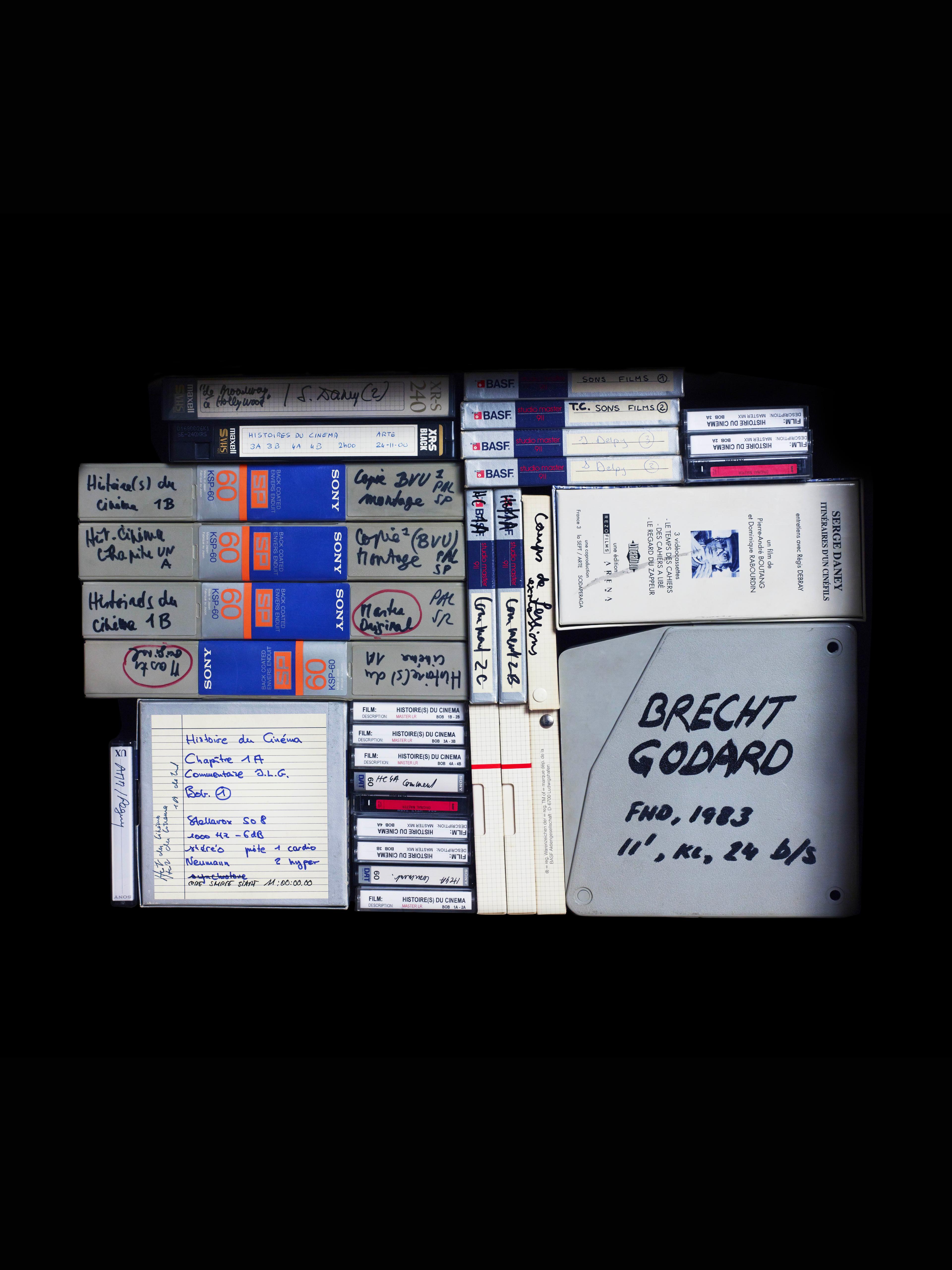
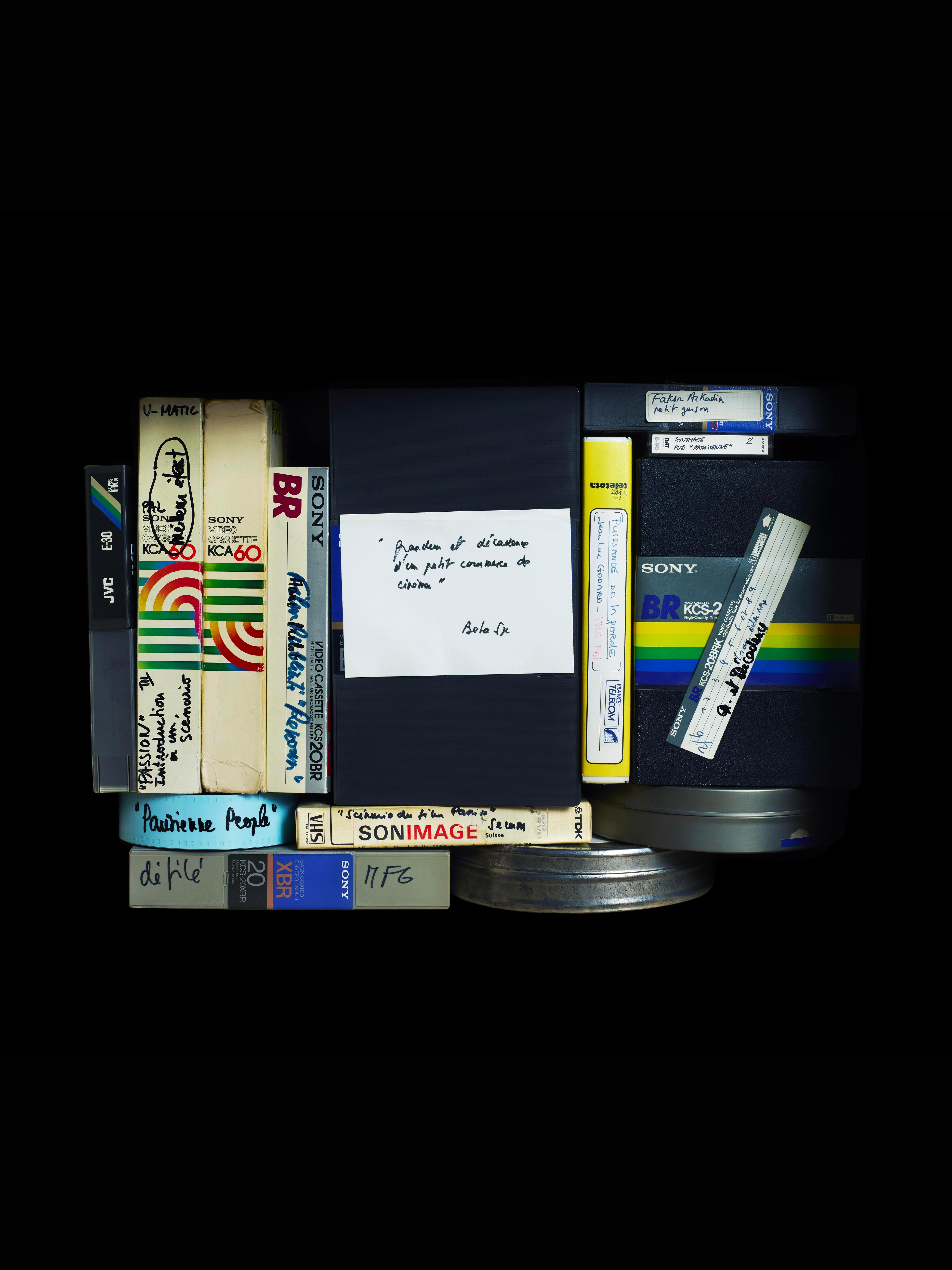
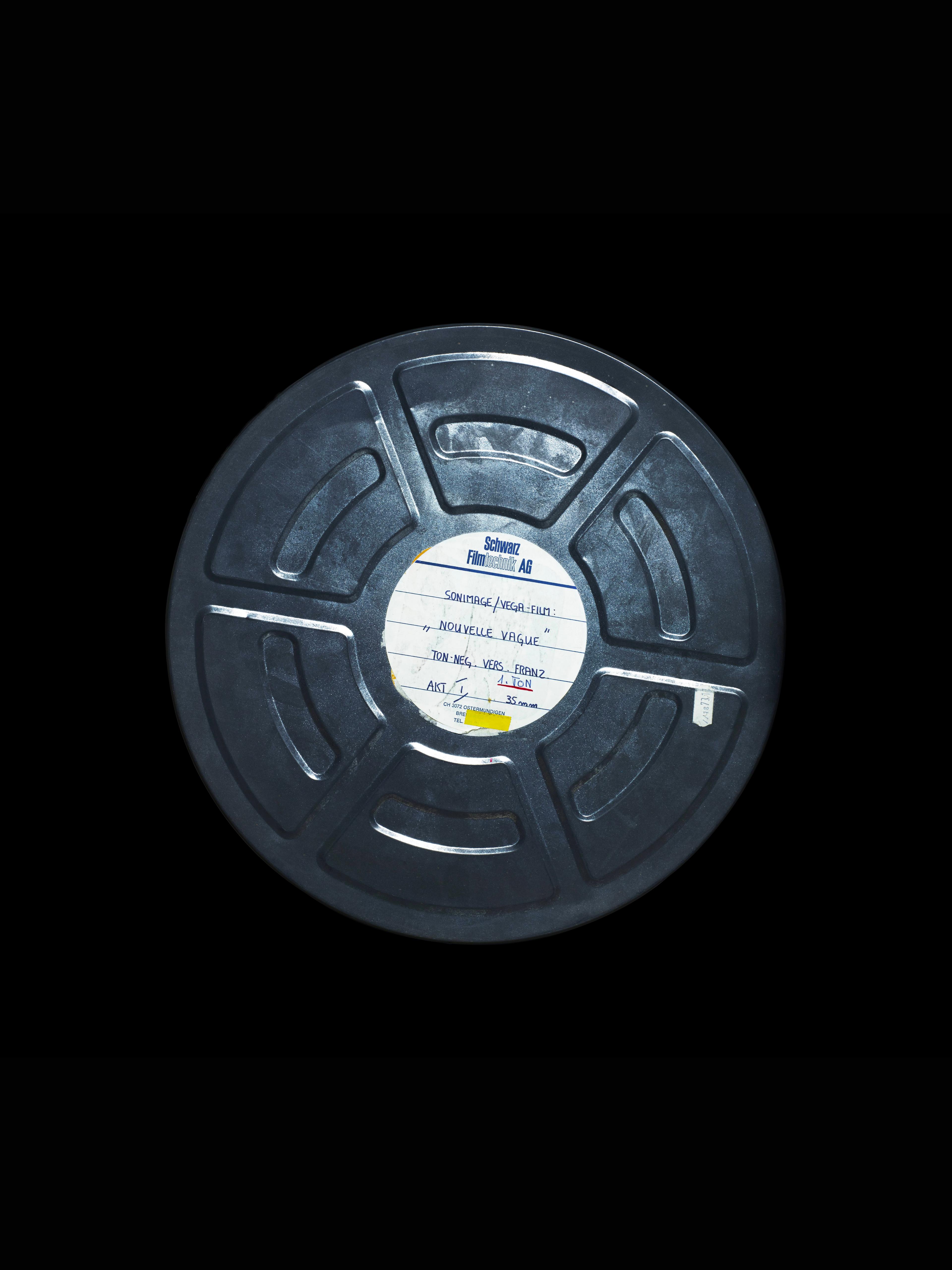
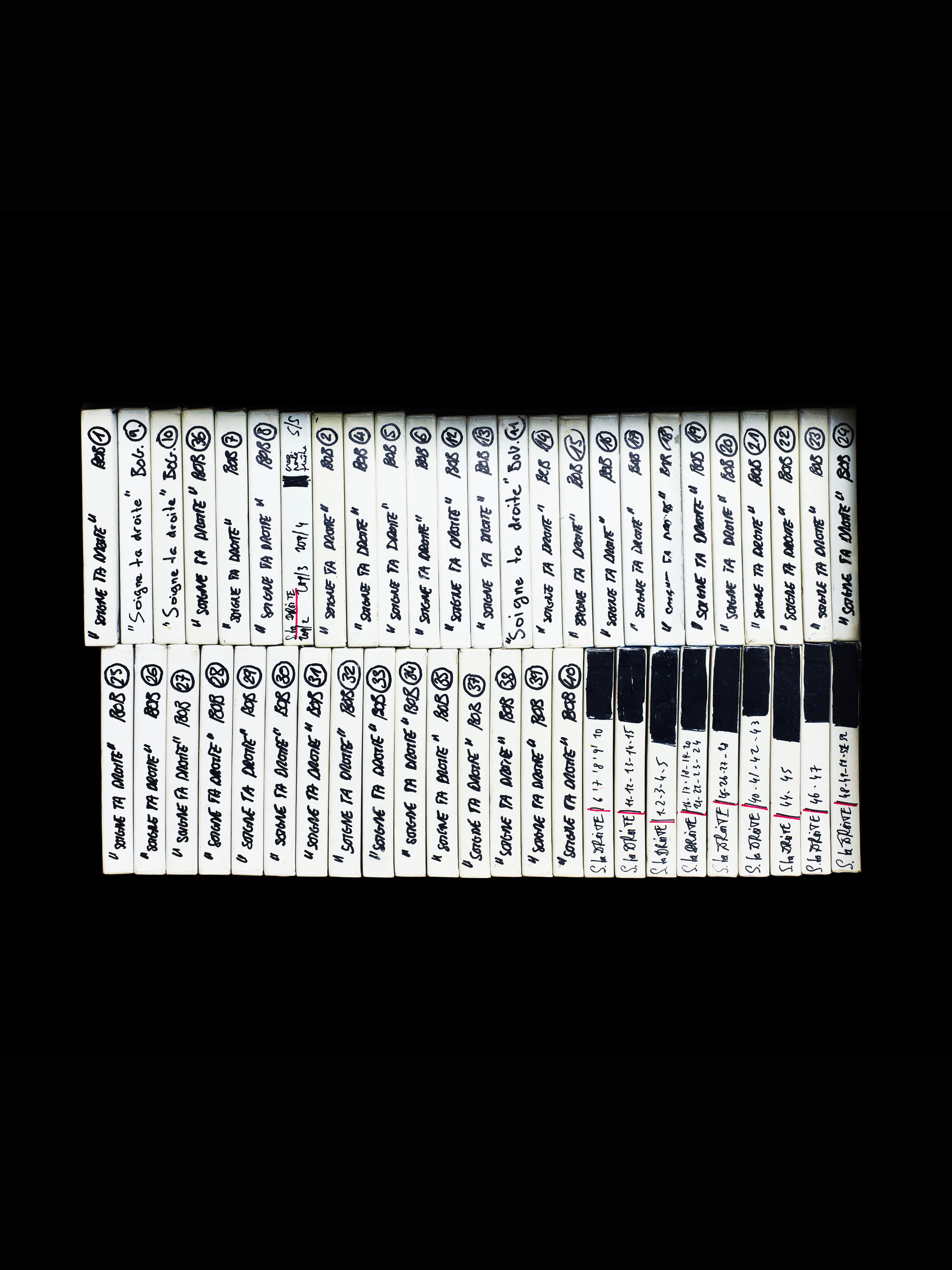
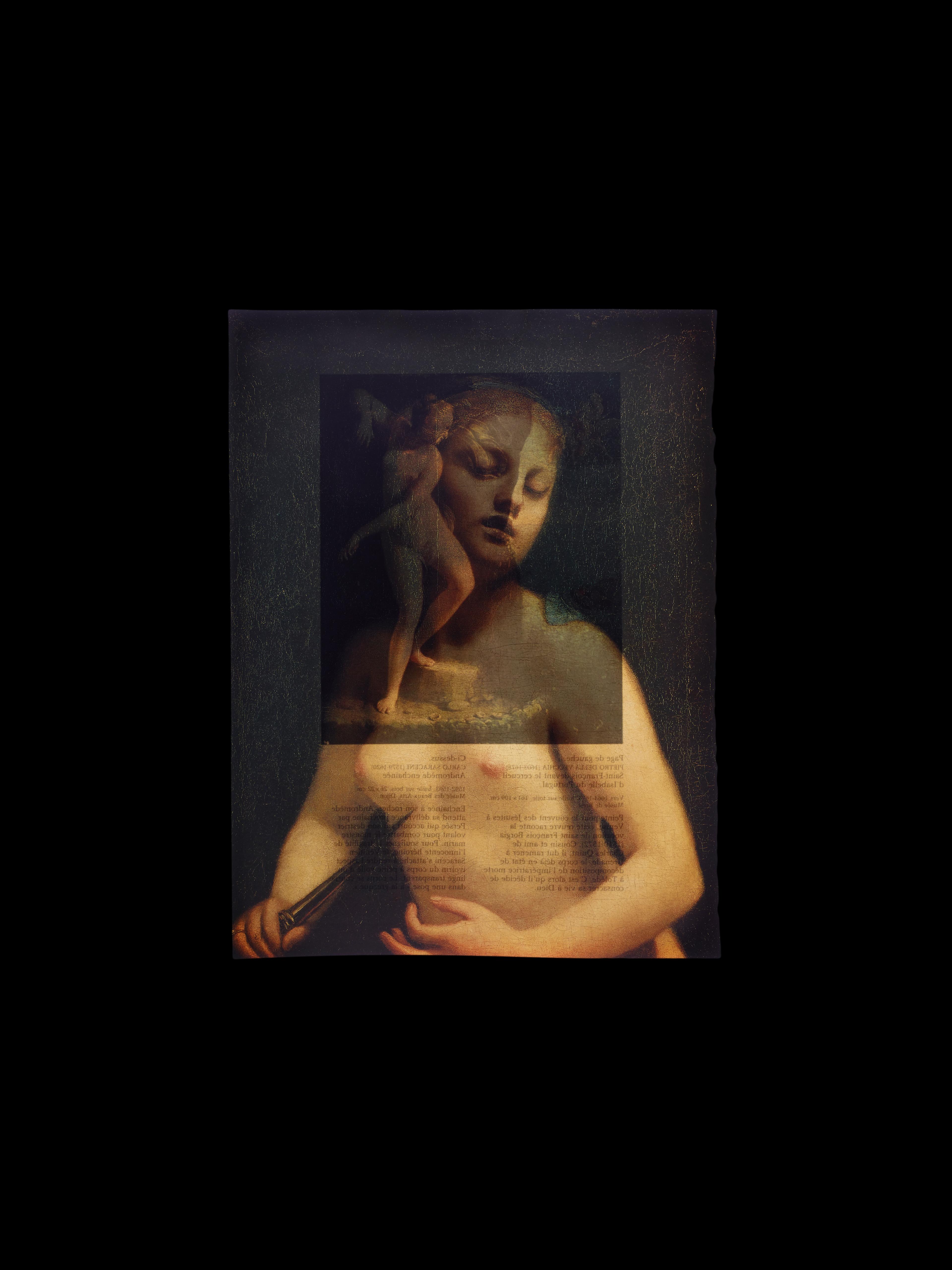
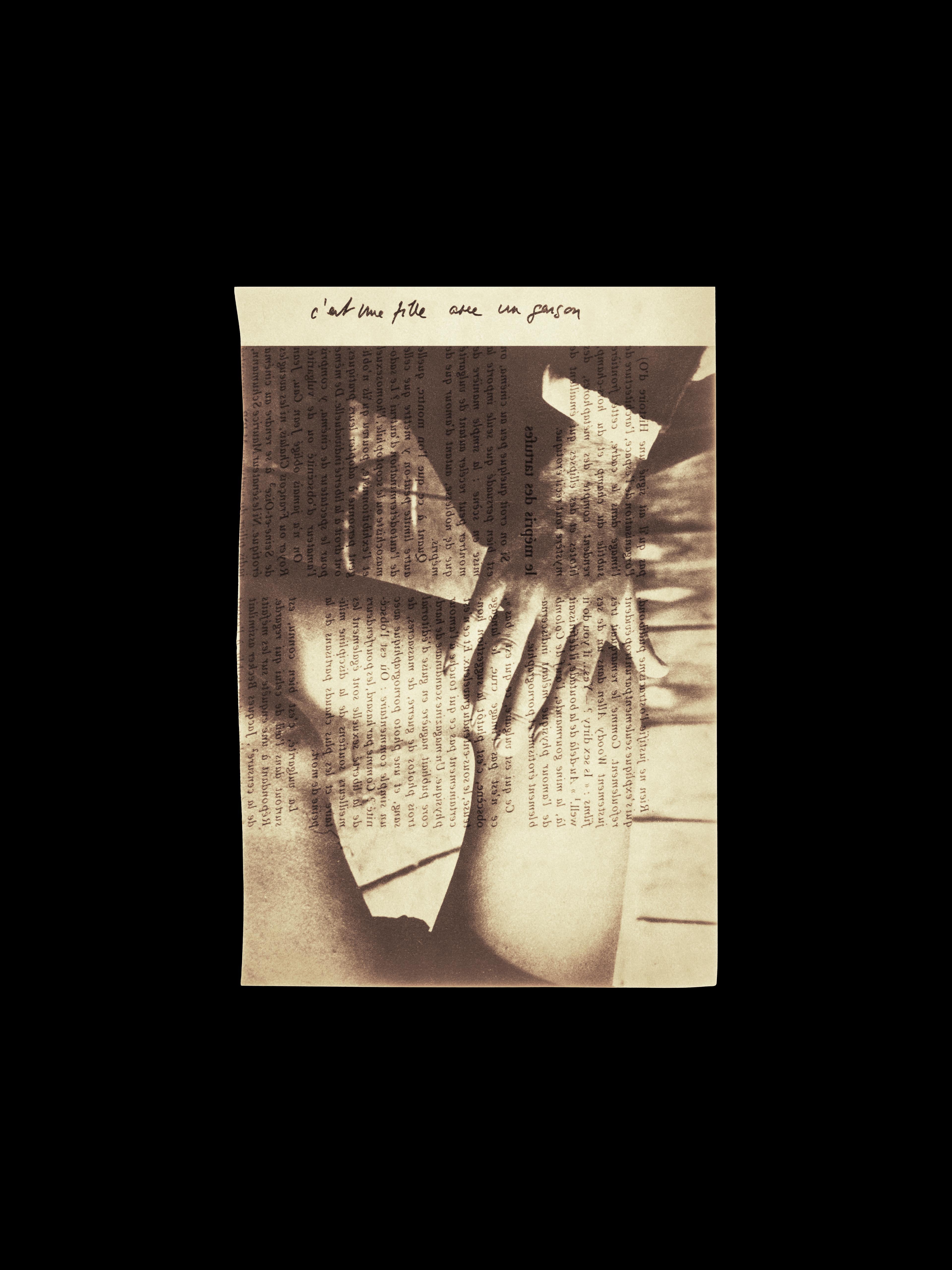
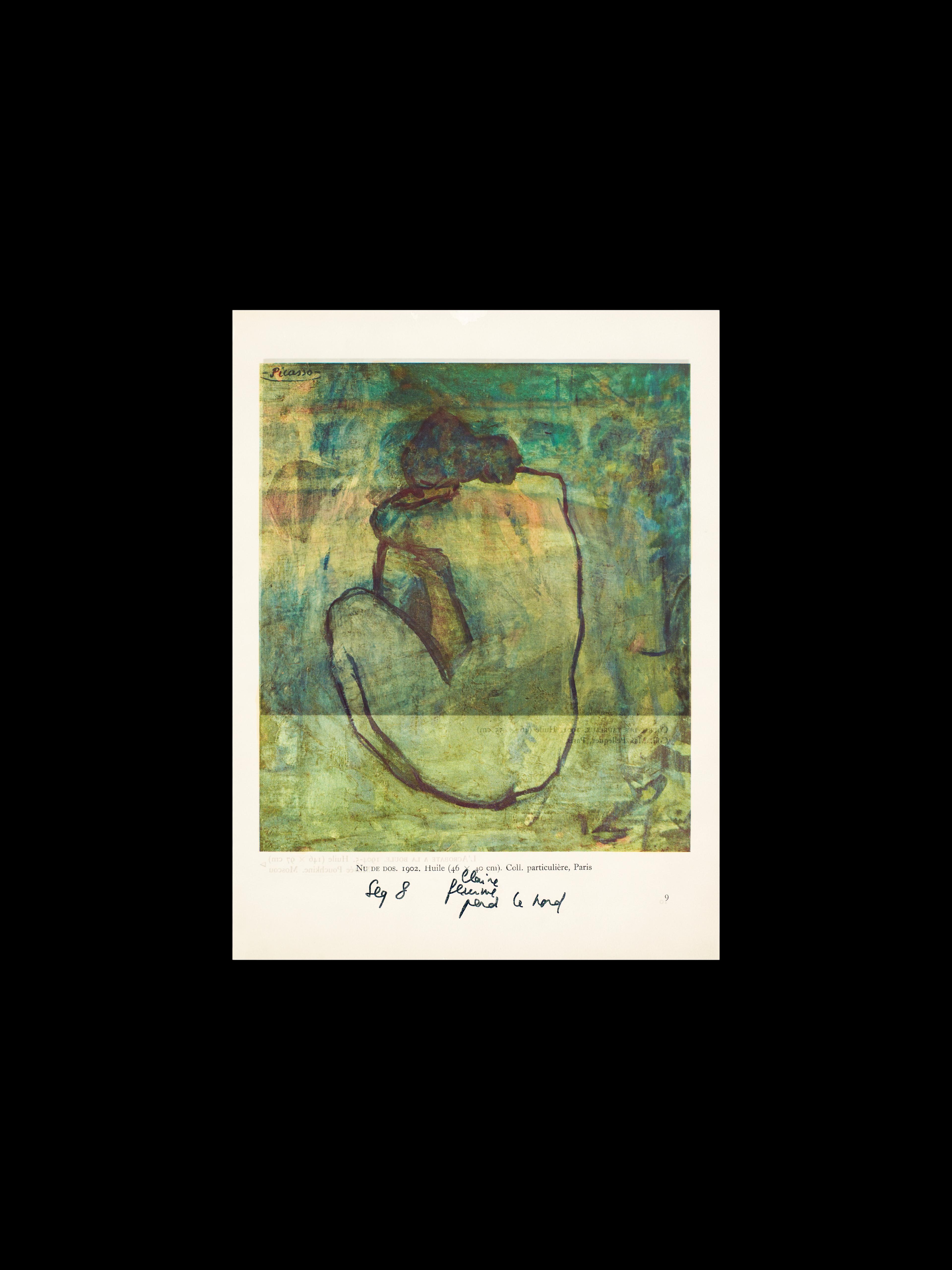
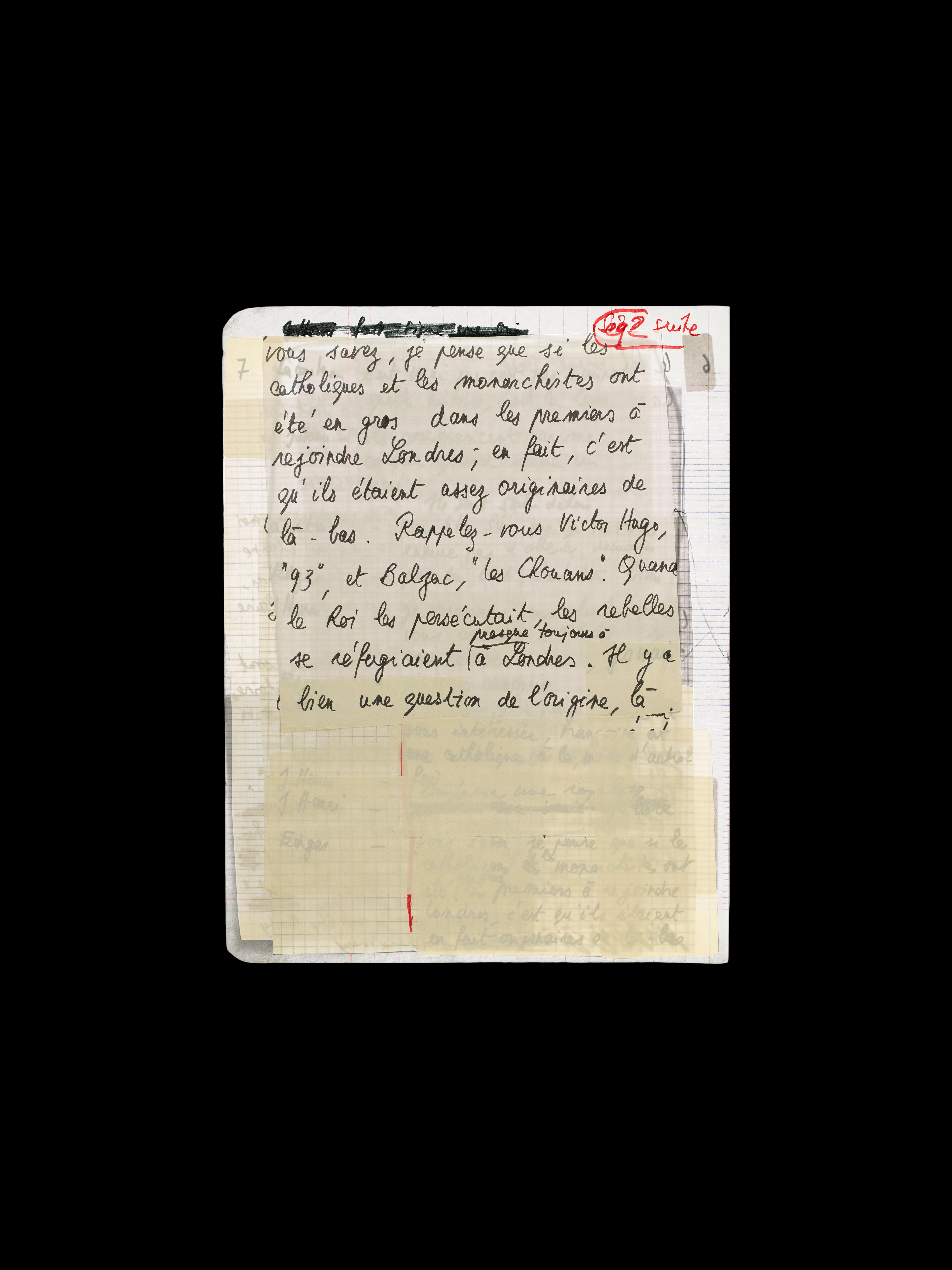
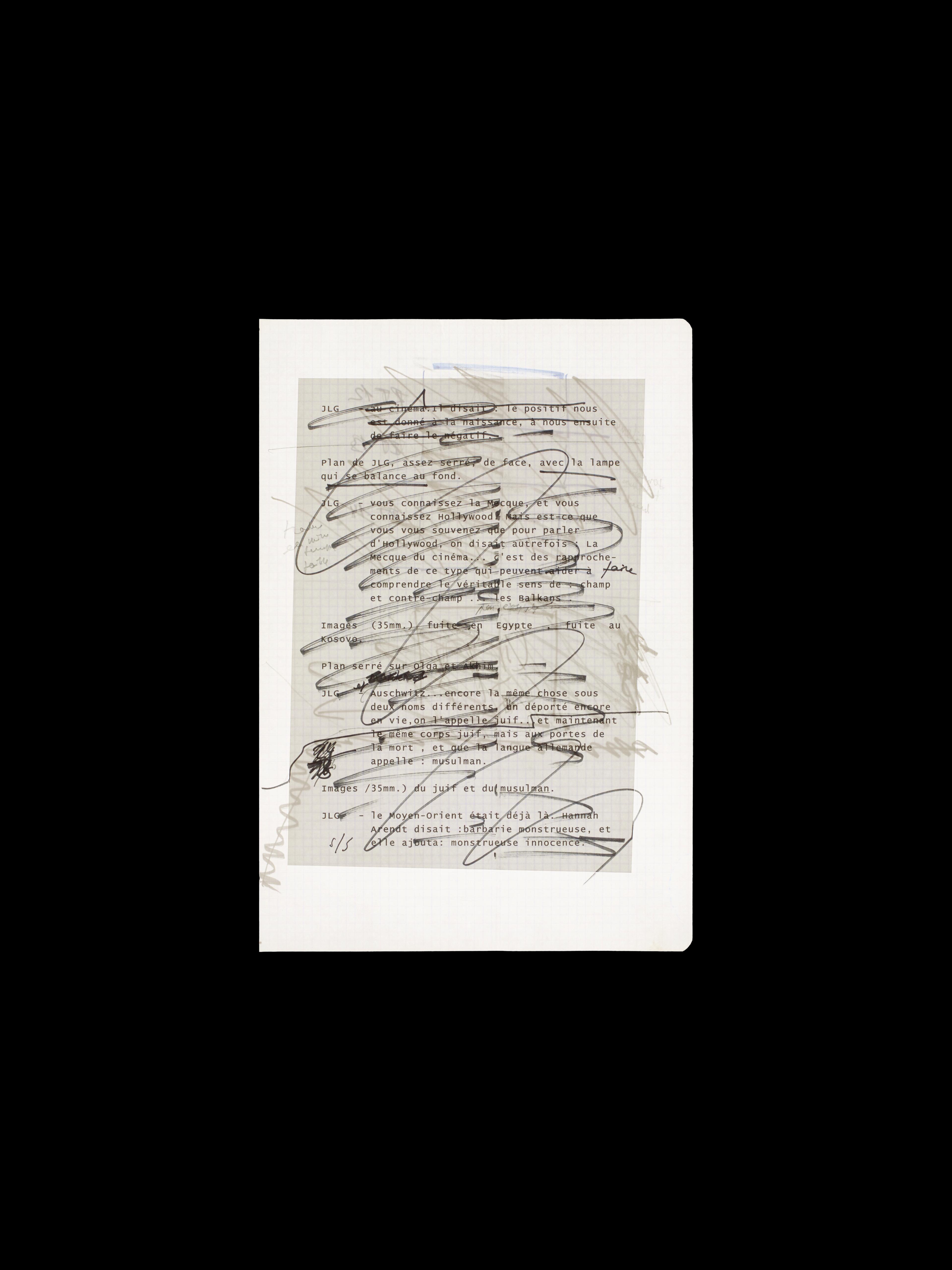
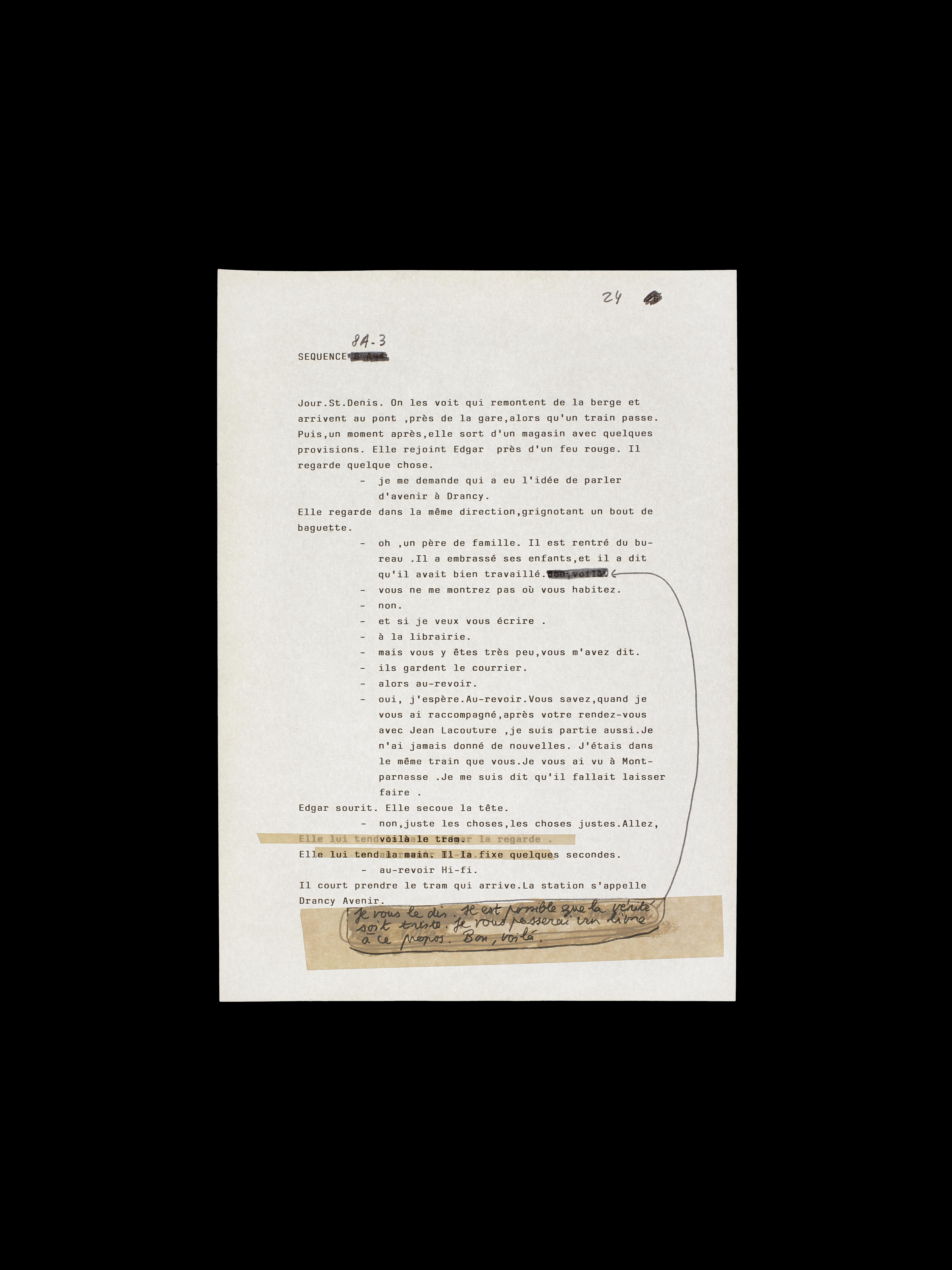
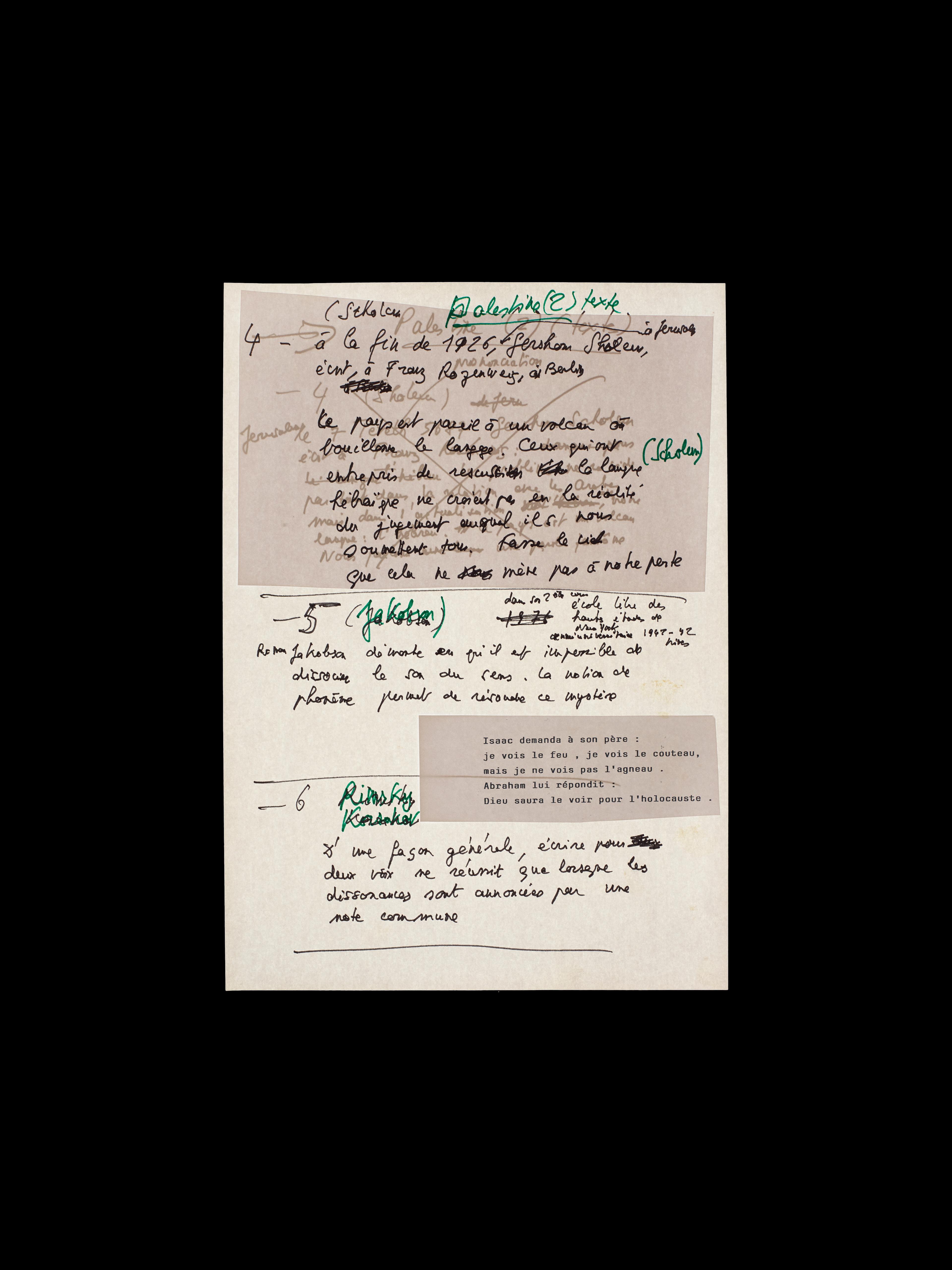
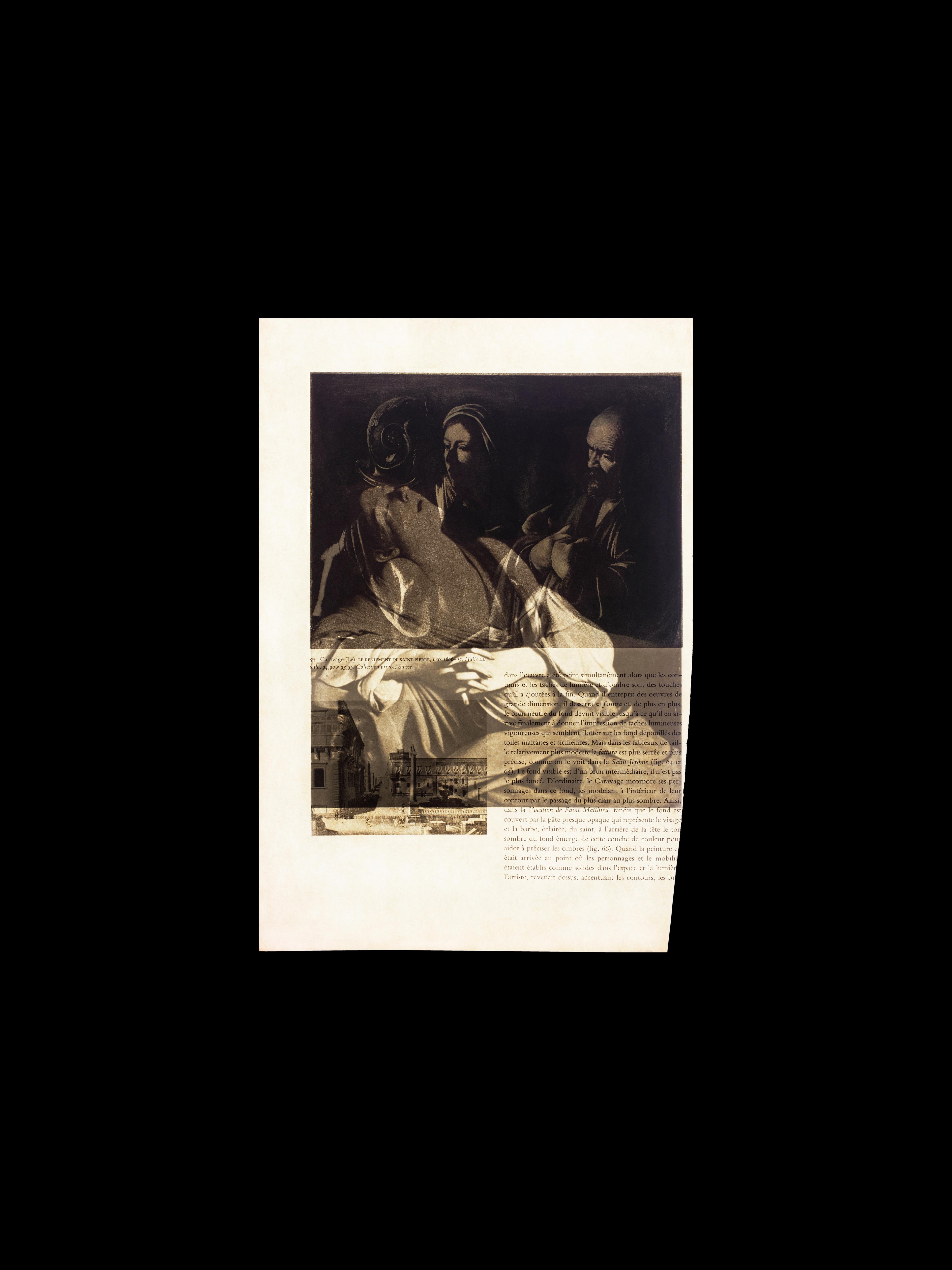
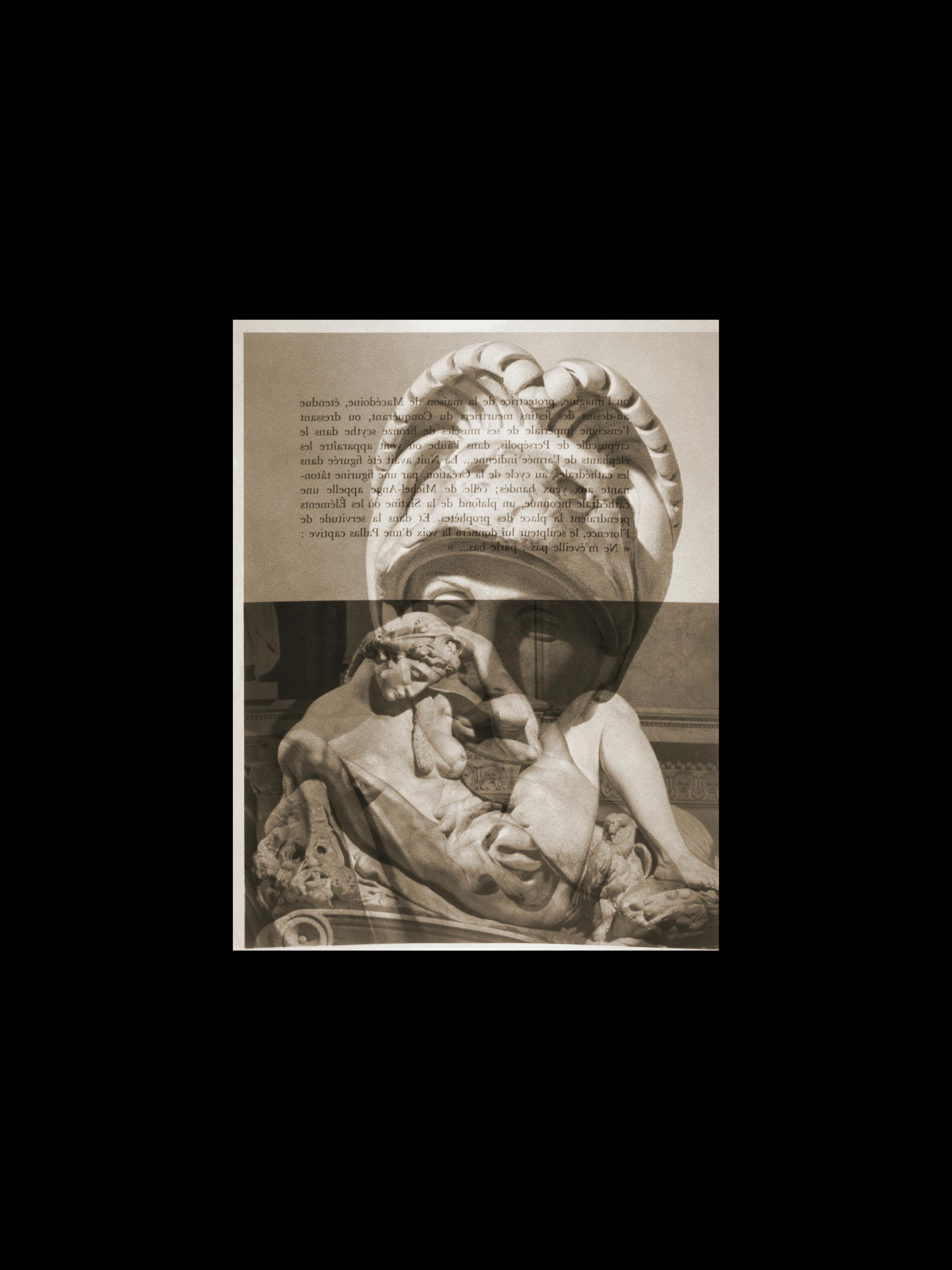
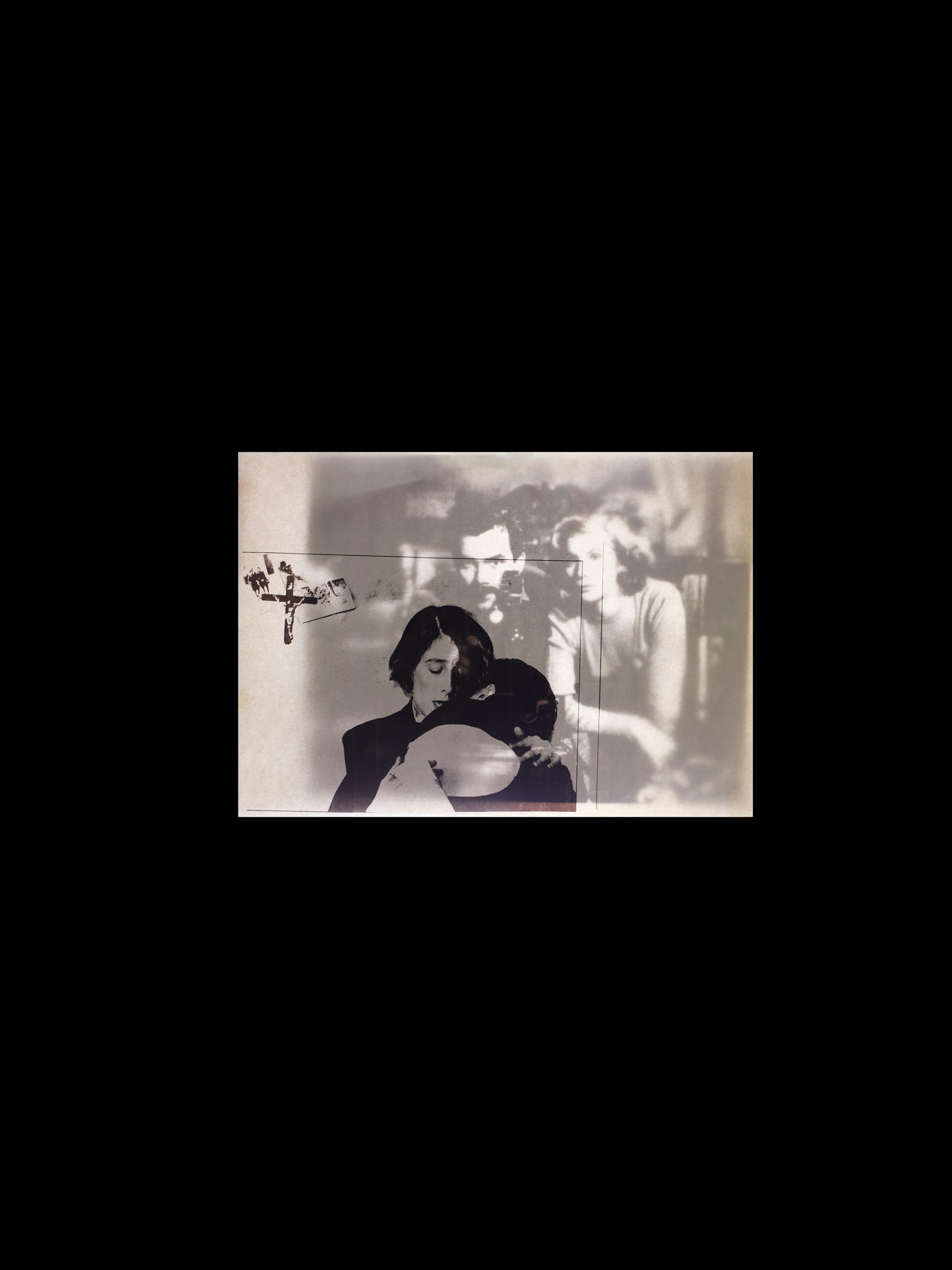
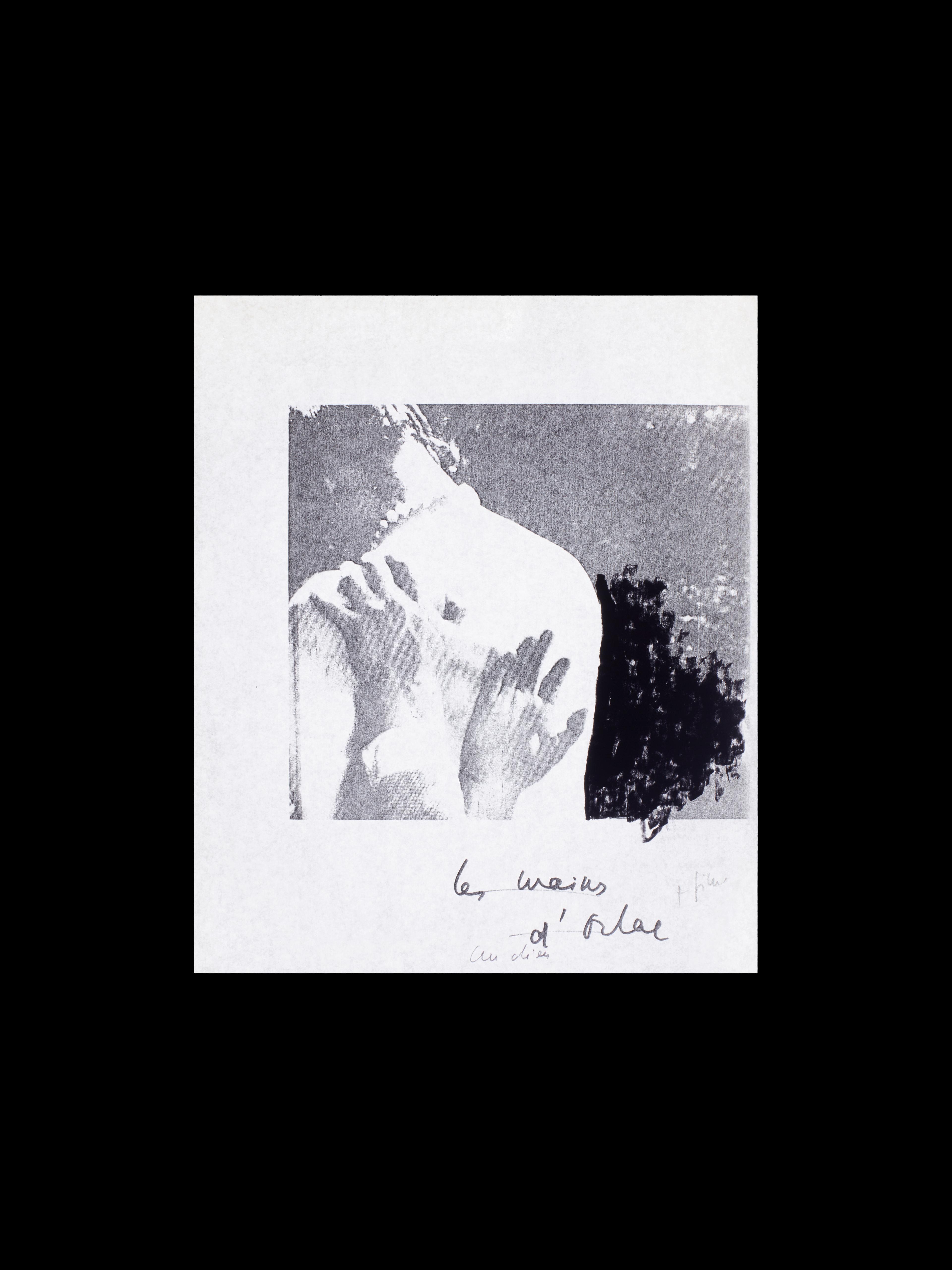
At the age of eighty, Jean-Luc Godard made a radical decision—true to the spirit of his work and his life. He sorted, catalogued, and packed a lifetime of work and memory into boxes: films, manuscripts, reels, tapes, books, annotated pages, fragments of images and ideas. Whether a testament or an act of creation, this stripping-away marked not an ending but an extreme form of lucidity: reclaiming his own chaos, and putting it in order before vanishing. In Rolle, at the filmmaker’s home, Stephan Crasneanscki bore witness to this silent undertaking, photographing the contents of the boxes. The following pages present a selection from these archives. They are accompanied by a souvenir written by Patti Smith—who was once filmed by Godard—and a conversation with Stephan Crasneanscki.

When did this project begin?
Correspondences took shape ten years ago, in successive waves. I’ve been working with Patti for nearly fifteen years now, but my work with—and about—Godard predates my meeting her. I had recordings of him that I integrated into the Correspondences corpus, notably in the sequence Prince of Anarchy, devoted to Pierre Kropotkin. He is one of the pioneers and theorists of nineteenth-century anarchism—a figure and movement essential to Jean-Luc Godard, that I discovered through him and later shared with Patti.
Could you tell us about those recordings?
At the time, I was creating sound pieces for Deutschlandradio and France Culture. I didn’t yet know it, but Godard used to listen to those broadcasts. One of them, La Rencontre, was created with the philosopher Jean-Luc Nancy for the Atelier de Création Radiophonique—a piece centered on the mysterious encounter between the poet Paul Celan and the philosopher Martin Heidegger. We will never know what was said, nor what actually transpired during this encounter. The only trace that remains is Celan’s poem “Todtnauberg,” which has intrigued many authors—including Jean-Luc Nancy, who was born and lived in Strasbourg, just a few kilometers from where it took place. I went to see him and suggested we reconstruct—or rather imagine—the walk that Celan and Heidegger took together. I gave him microphones and asked him to record himself at night, alone in Strasbourg. As if waking in his room, in a state of hypnosis or half-trance. He spoke in the dark, in that liminal space between sleep and waking, retracing the forgotten paths of that story, the erased words between the two men. I then compared his recordings with mine—made around Heidegger’s hut, during my walks in the Black Forest, and in the villages of Bessarabia. Once part of Romania, this is where Paul Celan was born, and his family was deported to the concentration camps of Transnistria from here. I recorded the sound of trains that are still running, most likely the very ones that had taken him and his family away. I gathered all these recordings—of deportation, of walks, of the forest.
You have a special connection to that forest—the Schwarzwald.
Yes, I spent part of my childhood there. My grandfather had a house in the Black Forest, barely twenty minutes from Heidegger’s hütte. I walked through those woods many times, photographed them, recorded them. I often followed what Heidegger called holzwege, “paths leading nowhere.” (His collection of essays, Holzwege, is translated as Off the Beaten Track.) These are woodcutters’ trails: during the season, they go deep into the forest, cutting trees, carving paths, stacking wood. When winter arrives, they turn around, pick up all the wood they had left behind, and carry it down to the valley. The forest is traversed by these logging paths. Heidegger’s idea is that we think we’re heading somewhere, we think we’re moving toward something—but it’s only a path, one possibility among others. Its purpose is not to bring us to a destination. Just like thought, which doesn’t follow a straight, rational course toward a defined truth, but meanders through detours, where truth reveals itself only partially.
Let’s go back to the encounter between the poet and the philosopher.
It took place on July 24, 1967. Celan gave a poetry reading at the University of Freiburg im Breisgau, and Heidegger was the guest of honor. The following day, Celan met him at Todtnauberg. Heidegger lived in a small hütte, which was extremely modest, like a mountain shelter. That’s where Paul Celan went to find him. According to Jean-Luc Nancy—and the sound piece is based on this hypothesis—there was a misunderstanding. Celan had great admiration for Heidegger’s understanding of poetry and of the German language; he was the first, before anyone else, to rehabilitate Hölderlin. But when Celan went to see him, he wasn’t coming only as a poet. He came as someone whose entire family had been deported to the camps, to confront the philosopher about his position regarding National Socialism. They went walking together in the forest. Then they came back. They didn’t really say goodbye. Celan left, and they never saw each other again.
Was it through this piece that Jean-Luc Godard discovered your work?
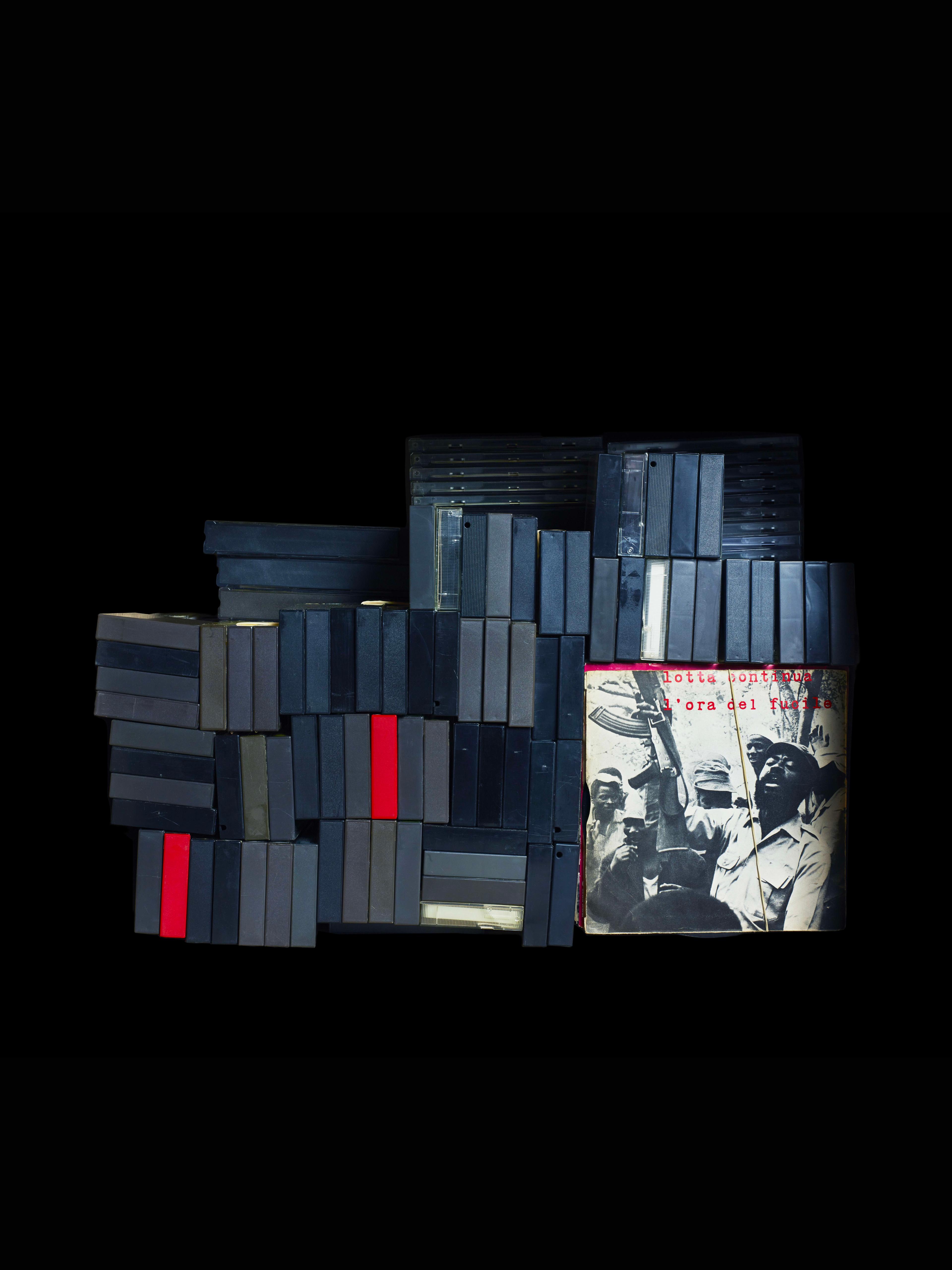
Godard, who regularly listened to France Culture, came across that piece and asked to meet me. He invited me to visit him in Rolle, Switzerland. He had just turned eighty. At that age, he had developed a kind of intuition for detachment—somewhat in the spirit of the Indian Vedānta tradition—that at the threshold of death, one must begin to let go. It is through renunciation that one prepares for a departure that is both spiritual and dignified. Put things in order, tidy up, leave everything clean. At eighty, you don’t know when death will come. In Godard’s case, that was especially true: he died eleven years later. His life may have lasted longer than he had expected. We never spoke about it directly, but I always had the impression that he felt a responsibility not to leave his partner, or anyone else, with the burden of such an accumulation. Godard left behind more than a hundred and twenty-five films, documentaries, series, images. An extraordinary amount of material—he kept everything. The reels, the masters, the tapes… he never let anything go. Ever. The very act of letting go, at that age, of managing to empty his house, to pack up a lifetime of work and creation into boxes, was also a form of liberation.
It’s almost a metaphor for a coffin. He’s boxing himself up.
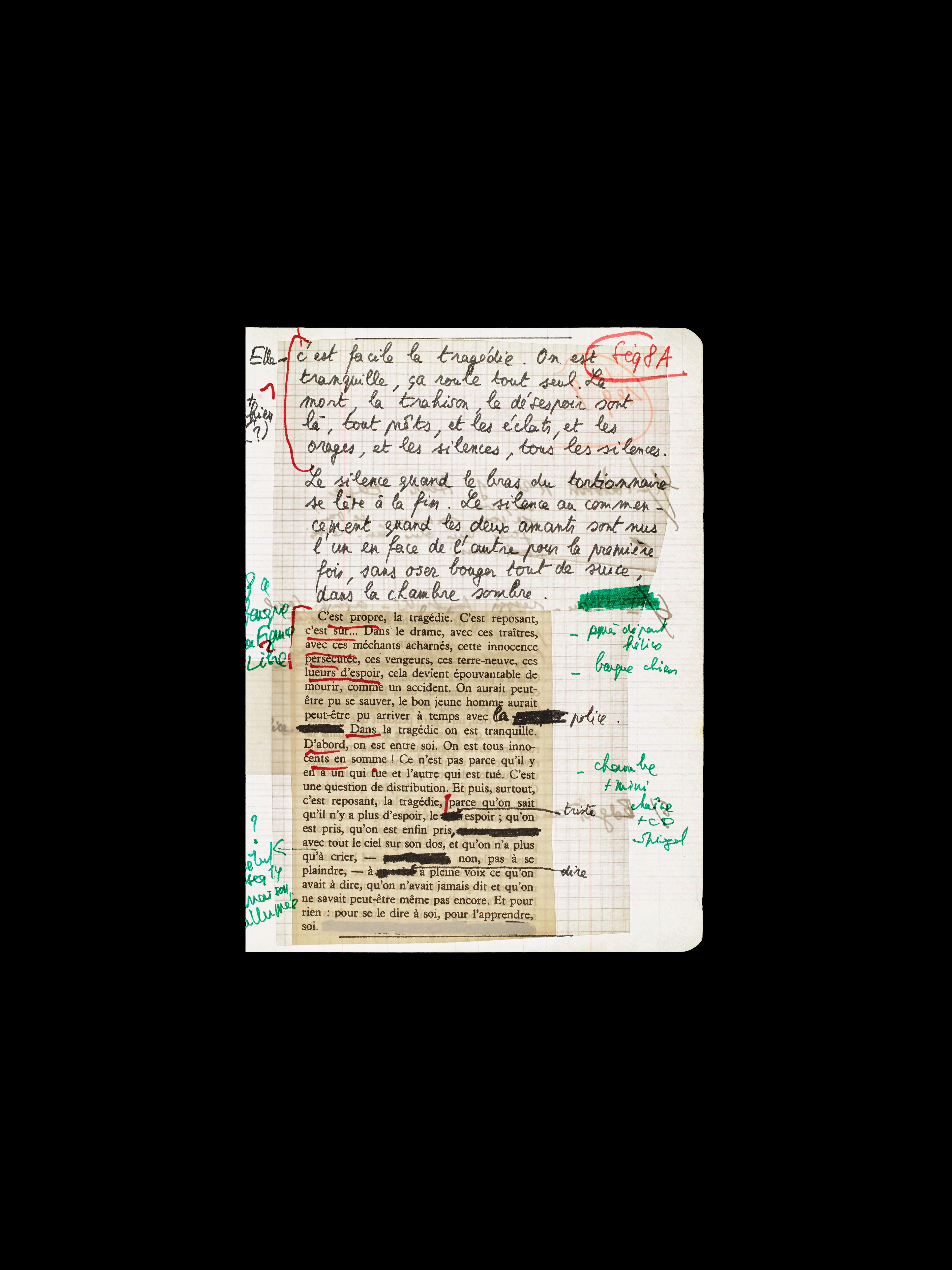
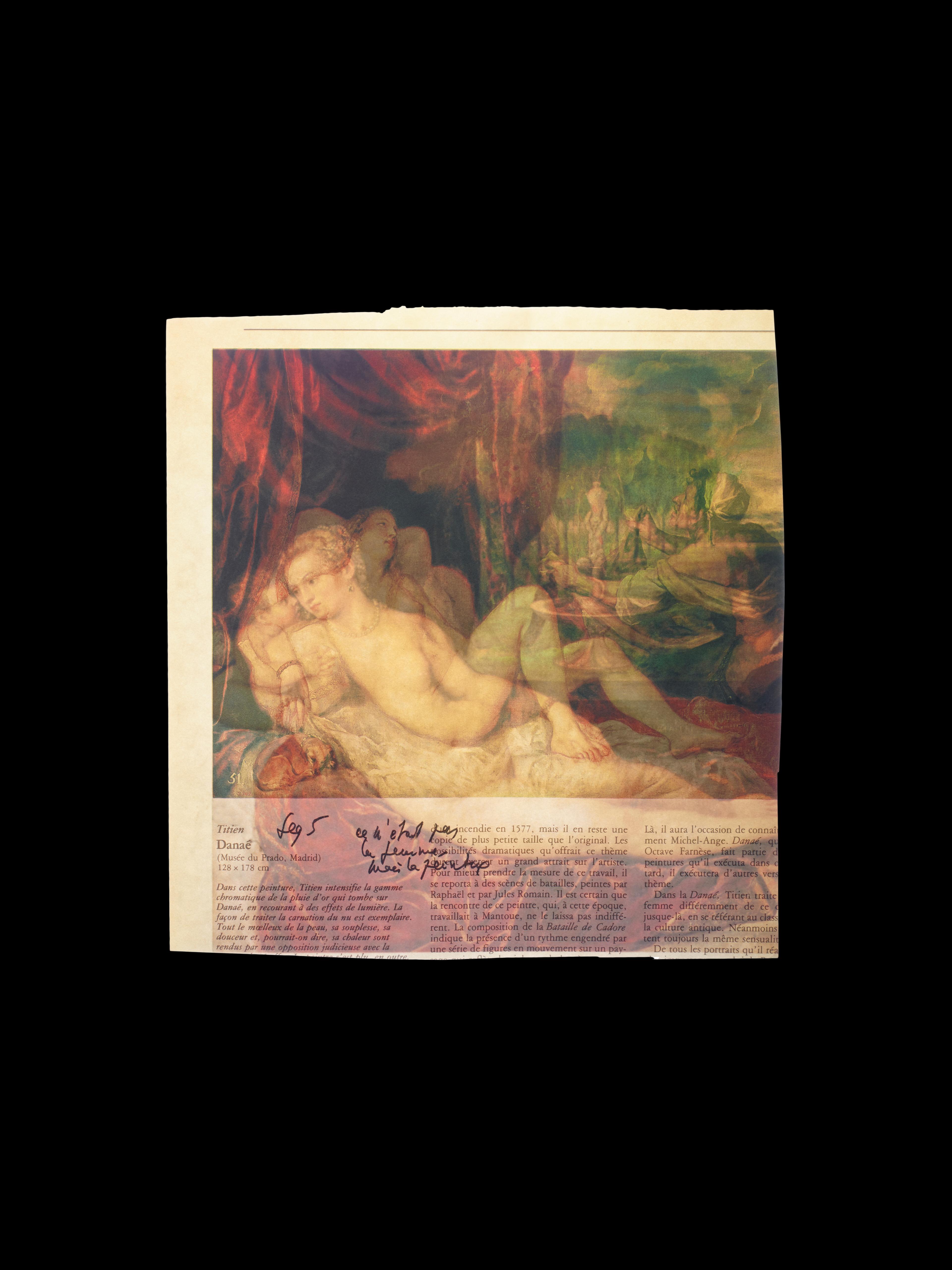
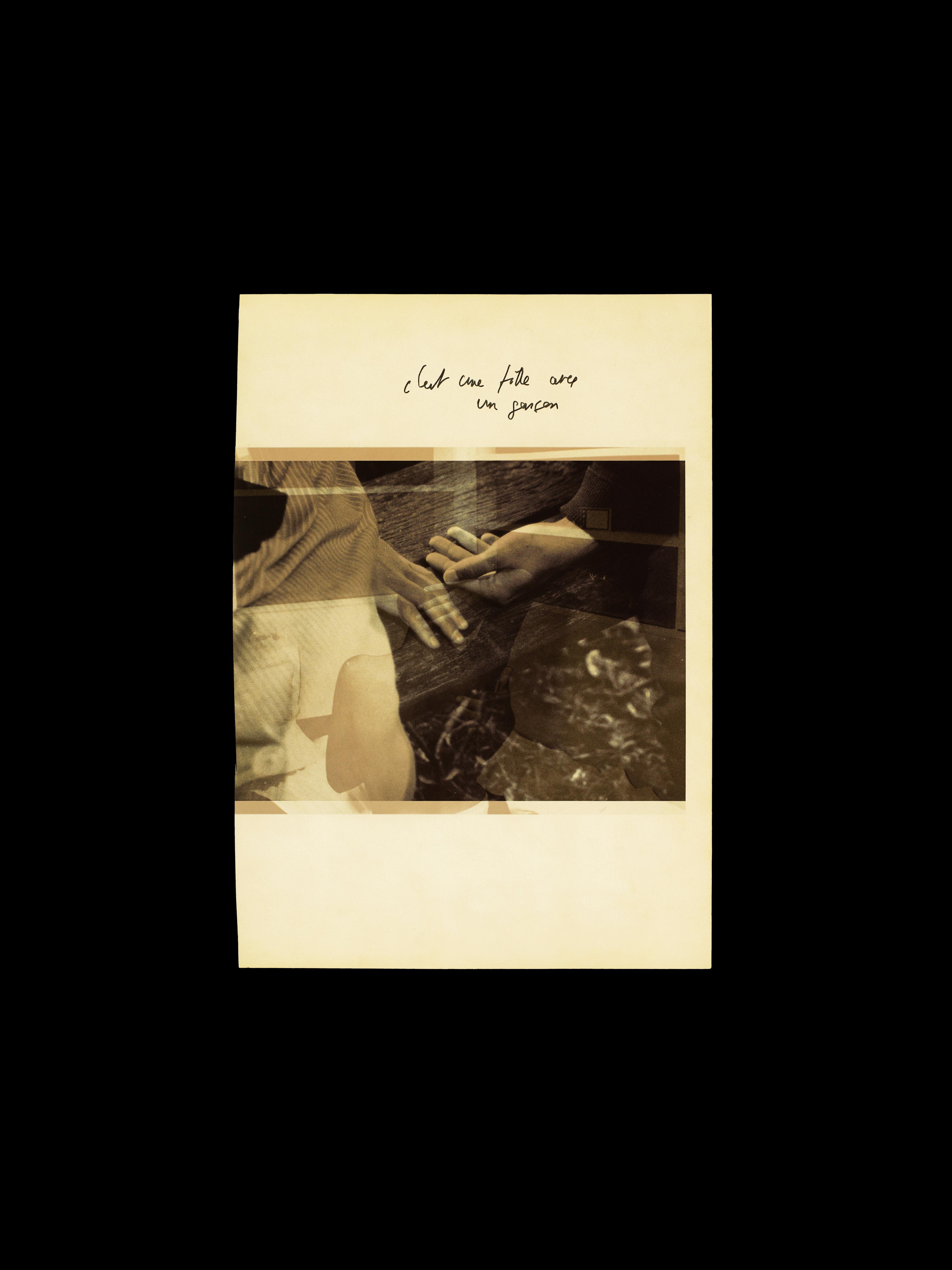
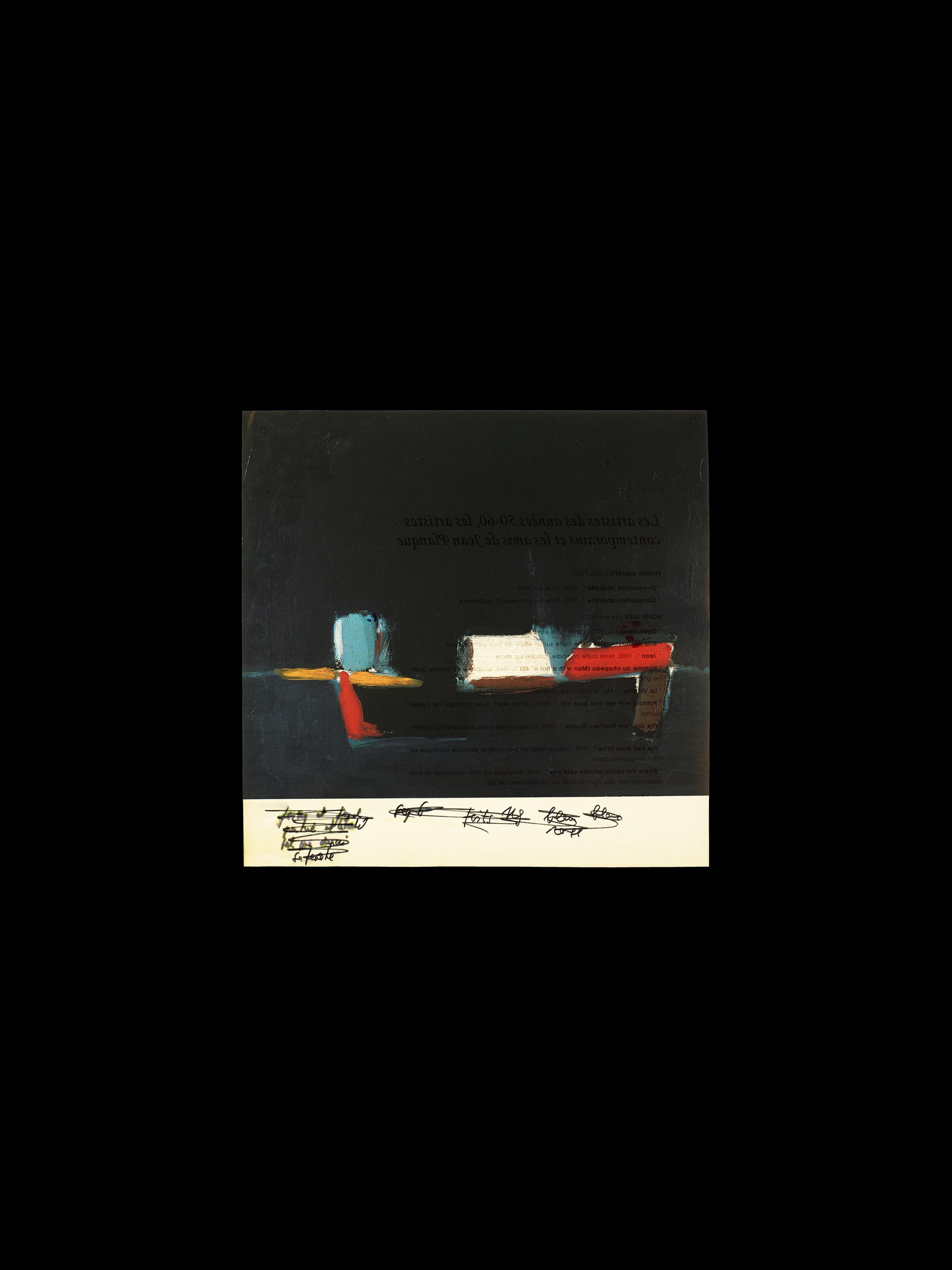
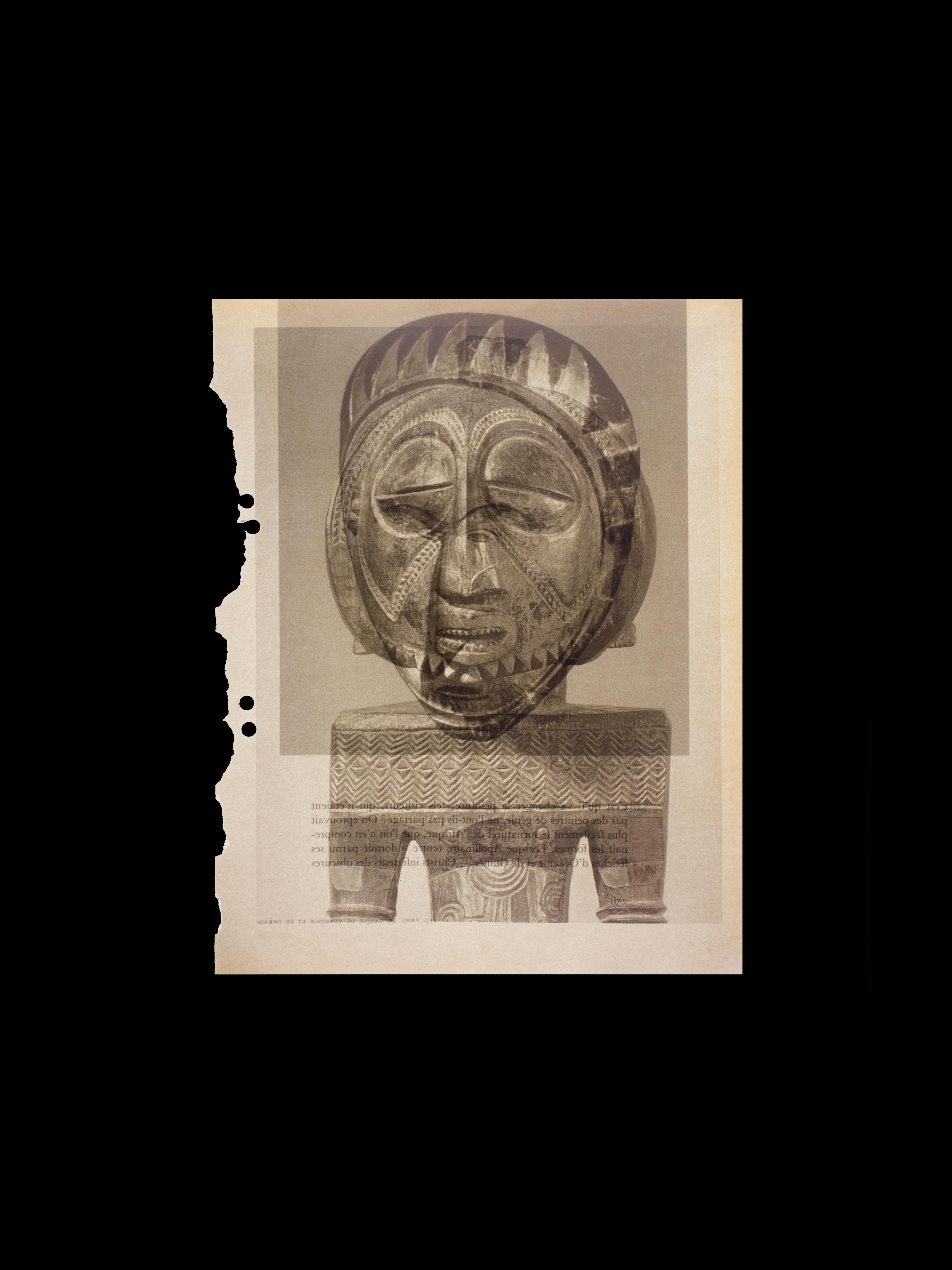
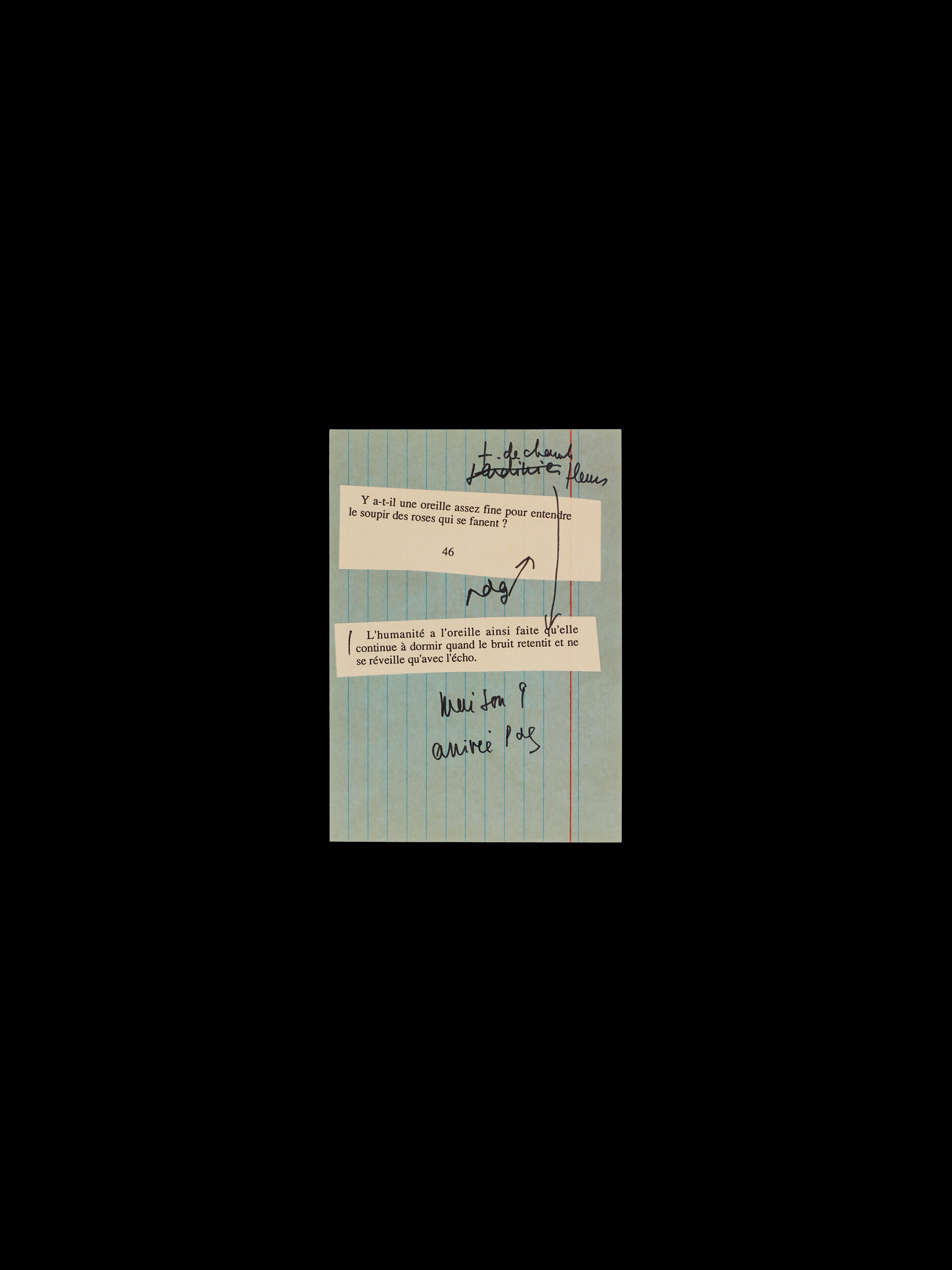
Yes—but also in order to reopen a field of possibilities. To suddenly create an empty space in which he could think again. Godard had a voracious mind. From books to painting, sculpture to architecture, music to philosophy. He had an extraordinary number of papers—some torn, others cut into a thousand pieces—and boxes upon boxes upon boxes of audio cassettes.
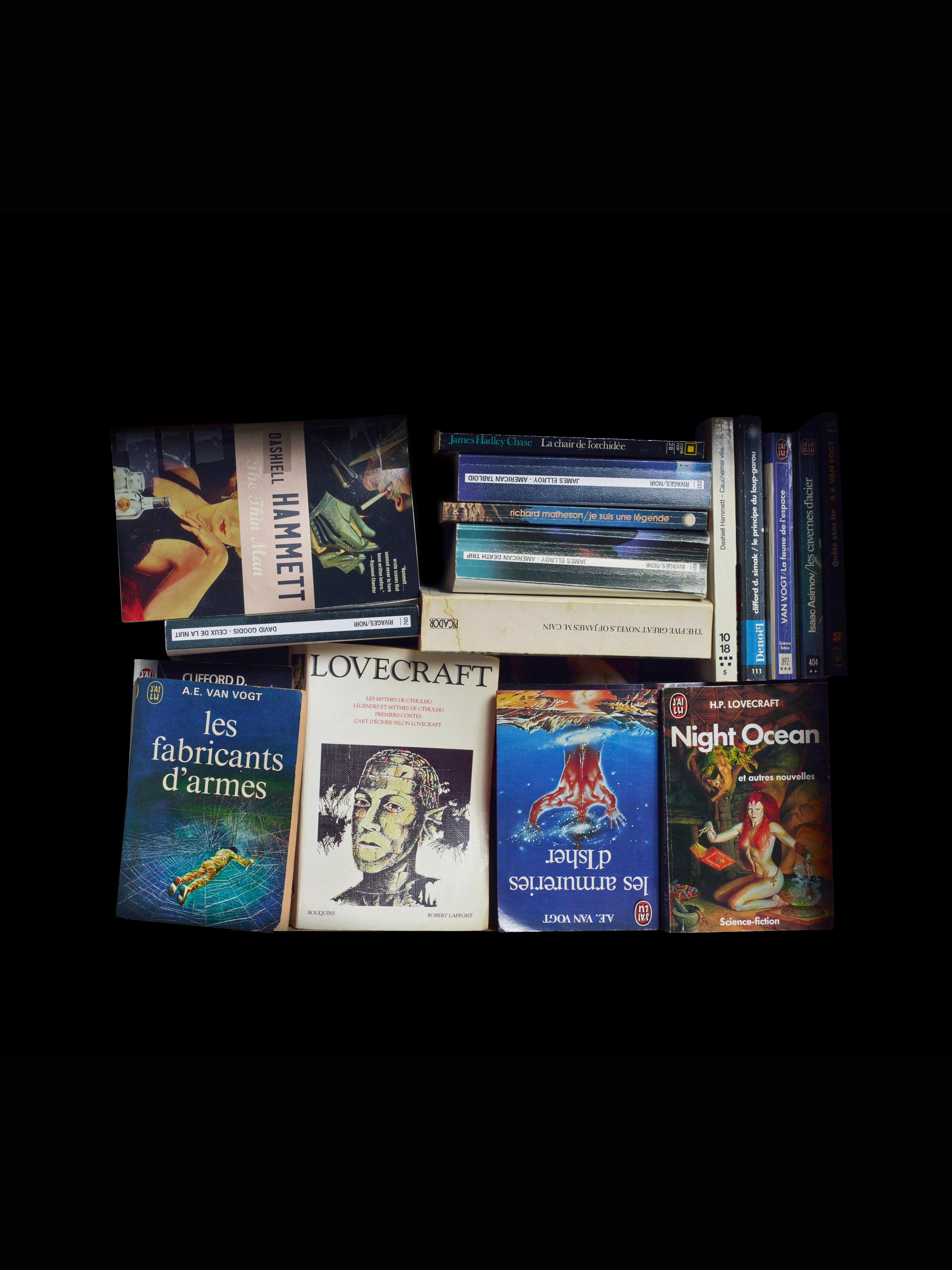
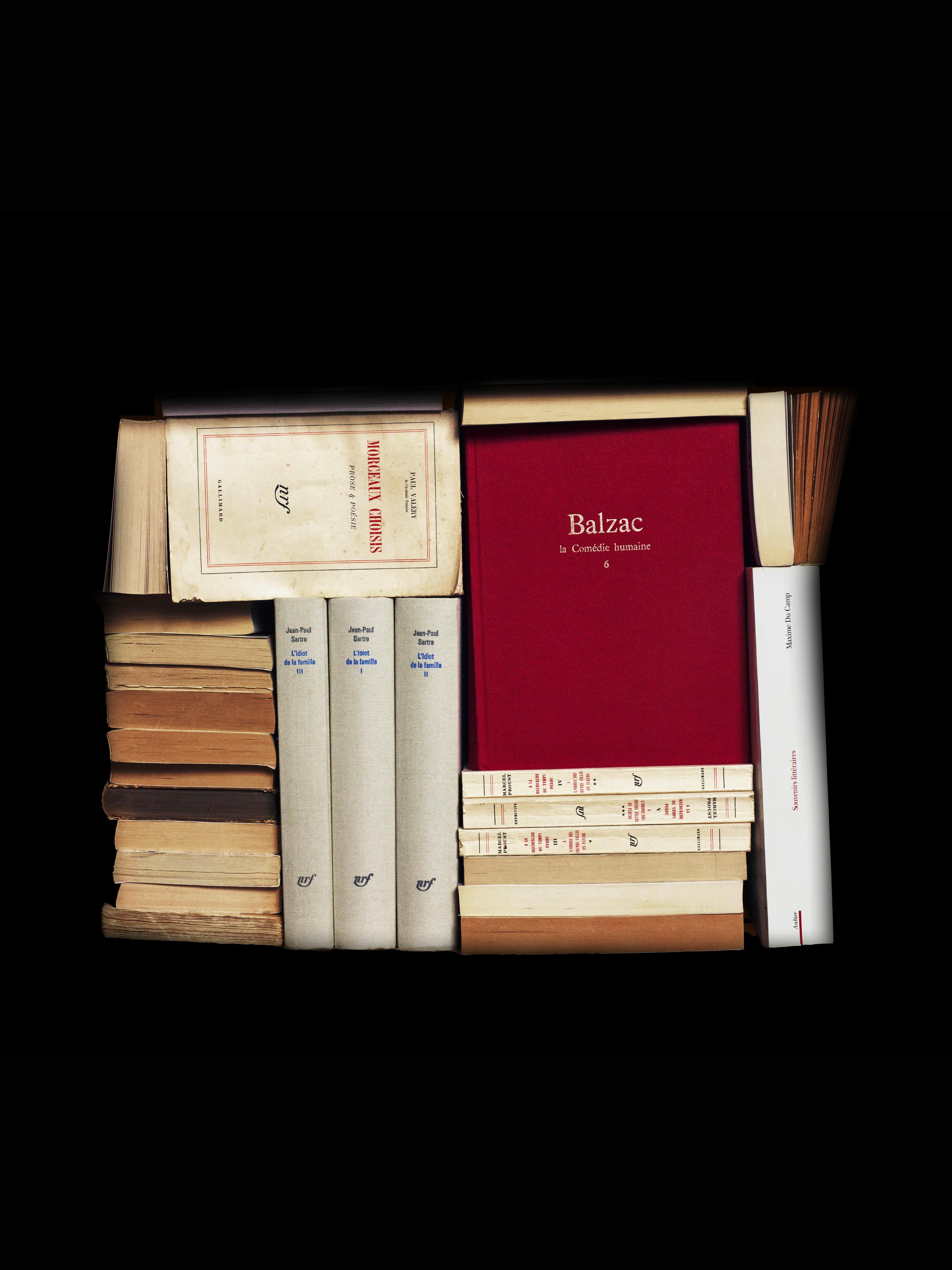
The entire literary, pictorial, and poetic twentieth century seems to lie before us, like layers of sediment.
To me, Godard is the ultimate sampler of the twentieth century. Long before the word became trendy, he was already one of its great theorists. He literally “sampled” the entire twentieth century—and even the nineteenth. He absorbed, cut up words, fragmented sentences and images, and recomposed them. The whole series of papers I laid out on the lightbox is precisely a clue to his way of working, of creating: juxtaposing images, layering sounds, making them coexist in improbable combinations, provoking unexpected encounters. He arranged components in relation to each other so as to make a third path emerge—another possibility. That, I believe, is the true power of sampling: confronting distant realities to bring forth something new.
Almost like a modern version of Baudelairean Correspondances. One finds this word that’s dear to you. Did you reorganize the contents of the boxes?
No. For him, once things went into a box, they became equal—everything had the same value. I wanted to reopen those boxes to observe the arrangements, the logic he had followed, perhaps unconsciously. These are motions we all go through, in fact. There are forms of classification that reflect the structure of thought.
It brings to mind Bourdieu’s phrase: “classifiers classified by their classifications.”
That’s exactly it. Faced with this immense accumulation, Godard wanted to move quickly—without falling into fetishistic nostalgia. Letting go of an object is also, in a way, a means of moving forward. I feel this very deeply—in romantic separations, for instance—everything that binds us has a slightly funereal quality. In every life, there’s a need to prune, to cut back, in order to keep growing. I believe that for him, at eighty, it was a desire to continue living and creating. And I think it’s a kind of paradox. Godard never stopped working, tirelessly. Every book, every recording, every glance, every word spoken was already, in itself, a thought in motion. With Godard, it was an endless process of resampling, re-editing, reconfiguring images—his own and those of cinema as a whole. That’s what thought looks like: a thought that never comes to rest. And that’s the path Heidegger speaks of—the path that leads nowhere, because one day, the wood must be carried back down to the valley. It’s a furious slashing through the forest. Cutting, cutting again, felling trees so that, as Heidegger said, a clearing might emerge. A moment of epiphany: when a few trees have fallen and a shaft of light opens in the midst of shadow. But that moment is fleeting. You might think you can stop there, settle in the light, bask in the sun. But no. You go back into the darkness. You keep cutting, again, again, tirelessly. And what’s so fascinating about this metaphor is that often, you no longer even have the strength to bring the wood back down. From walking too far, you die of exhaustion. So someone else returns along your path and carries the wood back for you. But in Godard’s case—a rare thing—he chose to carry the wood down to the valley himself.
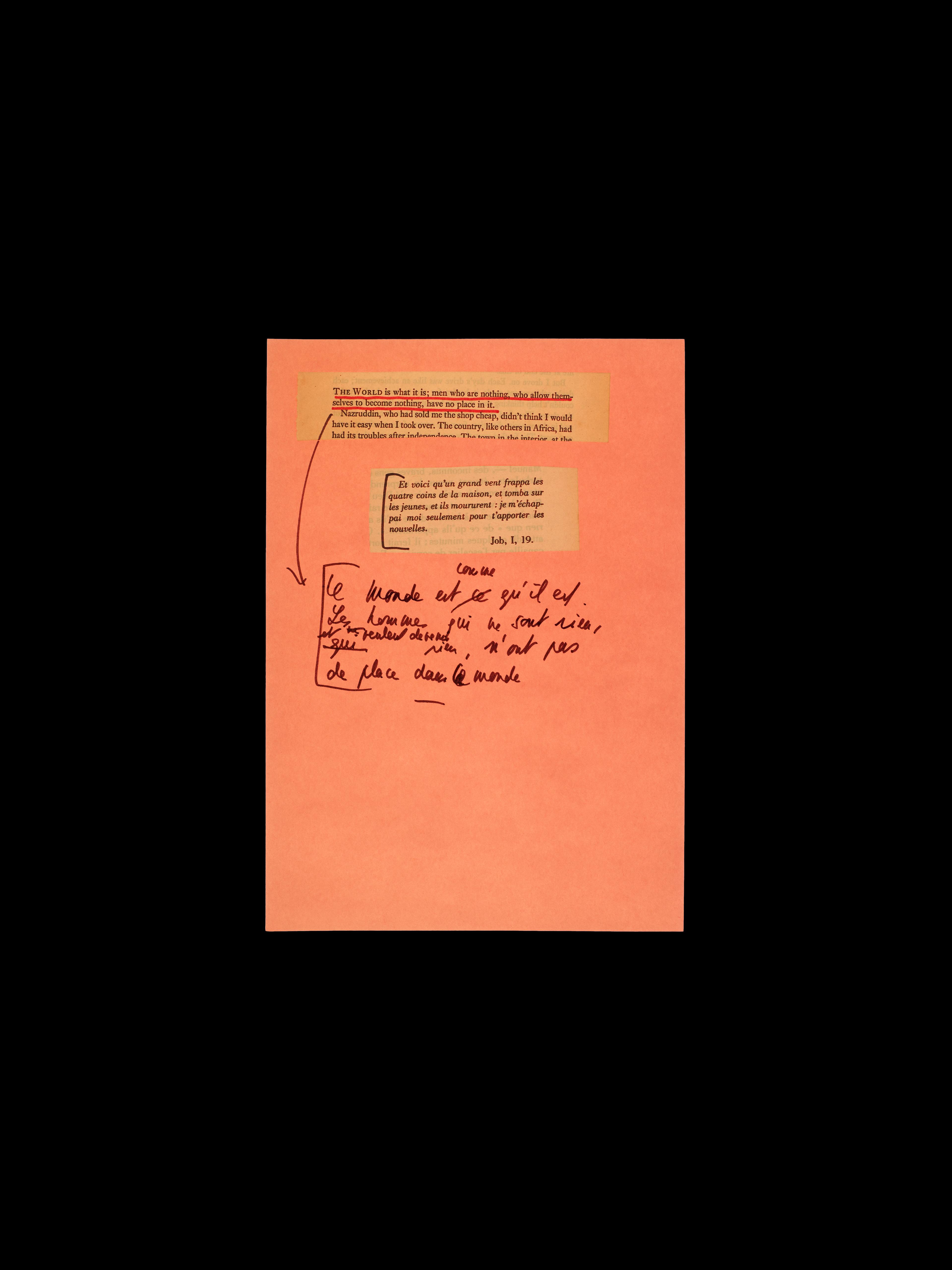
This obsession with dispossession, with stripping things down—have you observed it in other artists you’ve worked with?
Never as strongly as with Godard. It left a deep impression on me, because it meant, both literally and figuratively, emptying his house. His lab, his editing suite—he gave it all up. For Patti Smith, for example, it’s completely different. She’s part of the great tradition of troubadours. She’s never really home. When she returns, it’s only briefly—the suitcases are still there. And objects pile up—people are constantly giving her things: books, messages. Her house is just a stopover, a train station where an entire life of touring is amassed—sixty years on the road. It’s a strange feeling when you enter her place: her house isn’t lived in. Unlike Godard’s, which was…over-lived in.
Could you tell us about Godard’s relationship to sound?
When I arrived in Rolle and saw and listened to the stacks upon stacks of soundtracks, there was something deeply moving about it. All these sounds were never meant to be heard—they’re the trace in sound of off-screen moments, sounds that, too, lead nowhere. It’s in the periphery of sound that a life takes shape—and in Godard’s case, that the act of creation reveals itself: what it means to film, to direct, to record. In his films, what always struck me first was the sound—long before the image. Godard was the great genius of sound in cinema. He invented everything. He created a new grammar of sound. Like John Cage or Duchamp, he believed that there is no such thing as beautiful or ugly sound—that everything can exist, as long as it is placed in contrast, in context, revealed through counterpoint. What we don’t hear creates mystery—and that mystery, in turn, generates poetry.
When did your own relationship with sound begin?
I was studying art history at NYU, dabbling in a bit of everything like most art students. One day I discovered video. But very quickly, as I began working with images, I realized that what truly fascinated me was the sound dimension. The sounds I recorded drew me in far more than the images I filmed. That’s where the first intuition came from: extracting sound from image. I started creating sound pieces in New York. I wandered through the city, discovering its noises, hijacking its atmospheres. I began to conceive of these walks as full-fledged narratives.
Was it during that time that you began conducting sound dérives through New York with Soundwalk?
Exactly. This was in the 1990s, in a New York that was still very different—a city where you could still walk into people’s homes, push open doors. Back then, I invited some friends living in different neighborhoods to let strangers into their apartments. They didn’t have to do anything—just go on with their daily lives. The visitors would arrive wearing headphones, guided by a voice. They would enter, sit quietly in a corner of the kitchen or on the edge of a bed, stay a few minutes observing someone else’s life—then leave. They stepped into an intimacy that wasn’t theirs. These dérives led them into apartments, offices, factories, sweatshops in Chinatown—into the heart of other people’s existence. And because they were in a certain frame of mind, guided by a voice in their ears, they let go. They dropped their usual frames of reference. These were forms of détournement. And in that détournement, sometimes, encounters emerged—unexpected, unsettling, often deeply moving.
Dérives and détournements. That’s very Situationist.
Yes, at the beginning I had Guy Debord in mind, and all those famous maps he altered by changing street names. With the idea of creating imaginary and sonic cartographies, I changed everything too. But the city itself began to change—faster still. Far too fast. It stopped offering that kind of détournement. I began creating pieces that were more lasting, less dependent on immediate geography, more atemporal.
How did the connection between you, Patti Smith, and Jean-Luc Godard come about?
In Film Socialisme, Godard has a cruise ship depart from Naples—an improbable vessel that makes stops throughout the Mediterranean and eventually reaches Odessa in the Black Sea. We spoke a lot about it because I have a deep-rooted love for Odessa, a city I’ve visited many times. My father’s family is originally from Bessarabia. Back when Bessarabia still encompassed part of Romania—what is now Moldova—and stretched all the way to the Black Sea, near Odessa. That region was also adjacent to Bukovina, where Paul Celan was born. Patti Smith appears in the film. Later, in one of Godard’s boxes, I found poetry collections she had given him. She also wrote a beautiful text imagining Godard as the captain of that ship.
There’s also a text by Abel Ferrara.
I’m currently finishing a new piece with him. It’s been a very powerful encounter. Abel lives in Rome—like my mother, who has lived there for thirty years. So every time I’m in the city, I spend time with him.
And you drink sparkling water together.
Abel drinks sparkling water—astronomical quantities of it. He has boxes of sparkling water and this little coffee machine where he makes tiny espressos—barely four drops. It’s like a ticking time bomb. All day long, he drinks these shots of coffee that blow his mind. And he’s shouting—constantly on the edge of a meltdown. Then he starts crying and apologizing, saying he’s a Buddhist and doesn’t believe a word of what he just told you. Abel in all his madness—sublime. In Rome, in a minimalist apartment: a futon on the floor, and everywhere, stacks of paper where he writes his scripts. He’s always holding his old Nokia, constantly trying to find money to fund a film he can’t get off the ground. He goes down to Piazza Vittorio—a pretty rough neighborhood near the train station—and shoots footage on that beat-up Nokia. That’s Abel. He’s totally burnt out. Godard was also a complete burnout of cinema. He alienated just about everyone. These are people who press forward no matter what, despite the breakups, despite everything. Abel is the extreme version. And he wrote this beautiful text. Godard—what did he do for all of us? He was a spiritual father. If we go back to Patti’s metaphor, he was a captain. He steered a ship that, despite all the storms, kept moving forward. Despite the fame, he took phenomenal risks. He disappeared for ten years. A decade of absence, locked in his room. François Musy had installed Nagra microphones for him, and he would record himself at night, doing the voiceover for Histoire(s) du cinéma. I have all those tapes. He starts over four, five times. He gets frustrated with himself, restarts. Then he finds his calm, cryptic voice again. He worked like a madman to find the right tone, the right breath, the right tempo. What set him apart from others is that he wasn’t just a filmmaker. He was an artist—in the fullest sense of the word. He thought about the medium, the image, the sound, the editing. He was an inventor. And that’s incredibly rare. In his category, he stood alone. A captain, lost at sea, plunging down paths no one else had ever dared to explore. He carved out a way, literally, for all of us. Whether you like him or not, whether you agree with him or not, doesn’t matter. He went somewhere no one else had ever gone. Maybe he needed that blazing early success—at thirty—to have the courage to go that far. His last films are wild. There’s immense generosity in him: he left behind clues, ideas, fragments. It’s up to us to follow in his wake.
And how did you manage to find your own “voice” in relation to him?
When he invited me to Rolle to work on his archives, I immediately understood it would be an extraordinary encounter. He had been, throughout my years of study, a guiding figure—essential. To find myself by his side, reflecting with him on what an archive means, what sound is—and what I could do with it—was an immense privilege. I wasn’t going to edit tapes he had already cut. That would have made no sense. The challenge was to ask: what does it mean to listen? Asking that question constantly continues to shape my work.
Like in Siddhartha by Hermann Hesse. The only way to cross the river—the only path to spirituality—is to be attuned to the world.
That’s interesting because in Eastern culture, there’s another idea of the river—this time more Taoist. The other way to cross the river is to follow the path of least resistance. One way or another, you will cross the river. You’ll reach the other shore. So the real question is: how do you cross it? Do you spend your life swimming against the current? Or do you go with the flow? That’s exactly the thought that came to me while working on Godard’s sound recordings. There were thousands, maybe hundreds of thousands of tapes, different audio formats, fifty years of cinema. How to edit that? I needed a strategy. The path of “less” resistance. I decided to focus only on what hadn’t been selected: the beginnings, the endings, the mistakes, the silences, the accidents. Everything that was off-frame. That was my way of crossing the river. Letting things bleed, as we say in English—let it bleed. Letting the fragments meet, overlap, without forcing anything. With the least possible intervention.
Like when you’re drowning—the only way to survive is to let yourself be carried by the current.
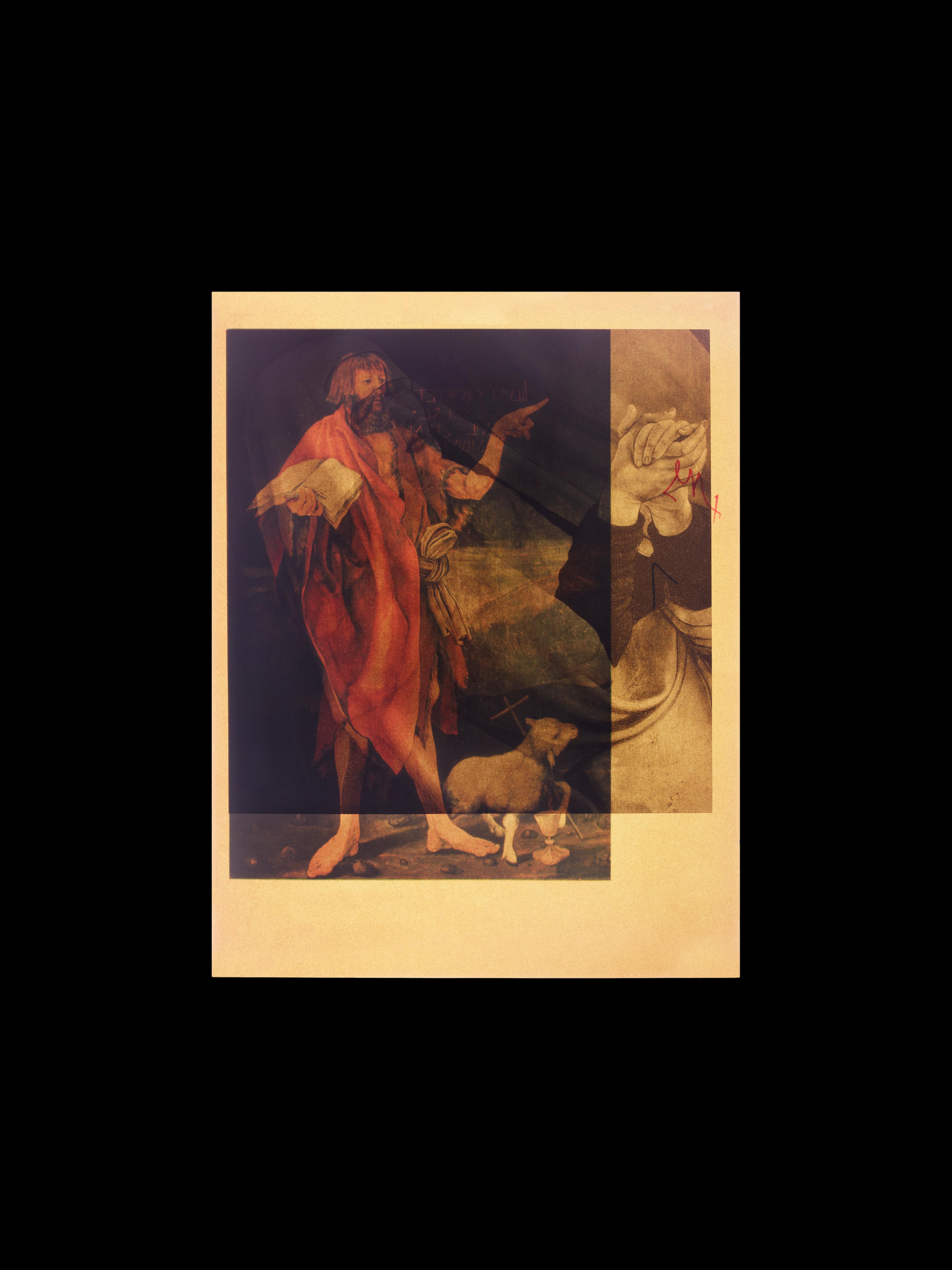
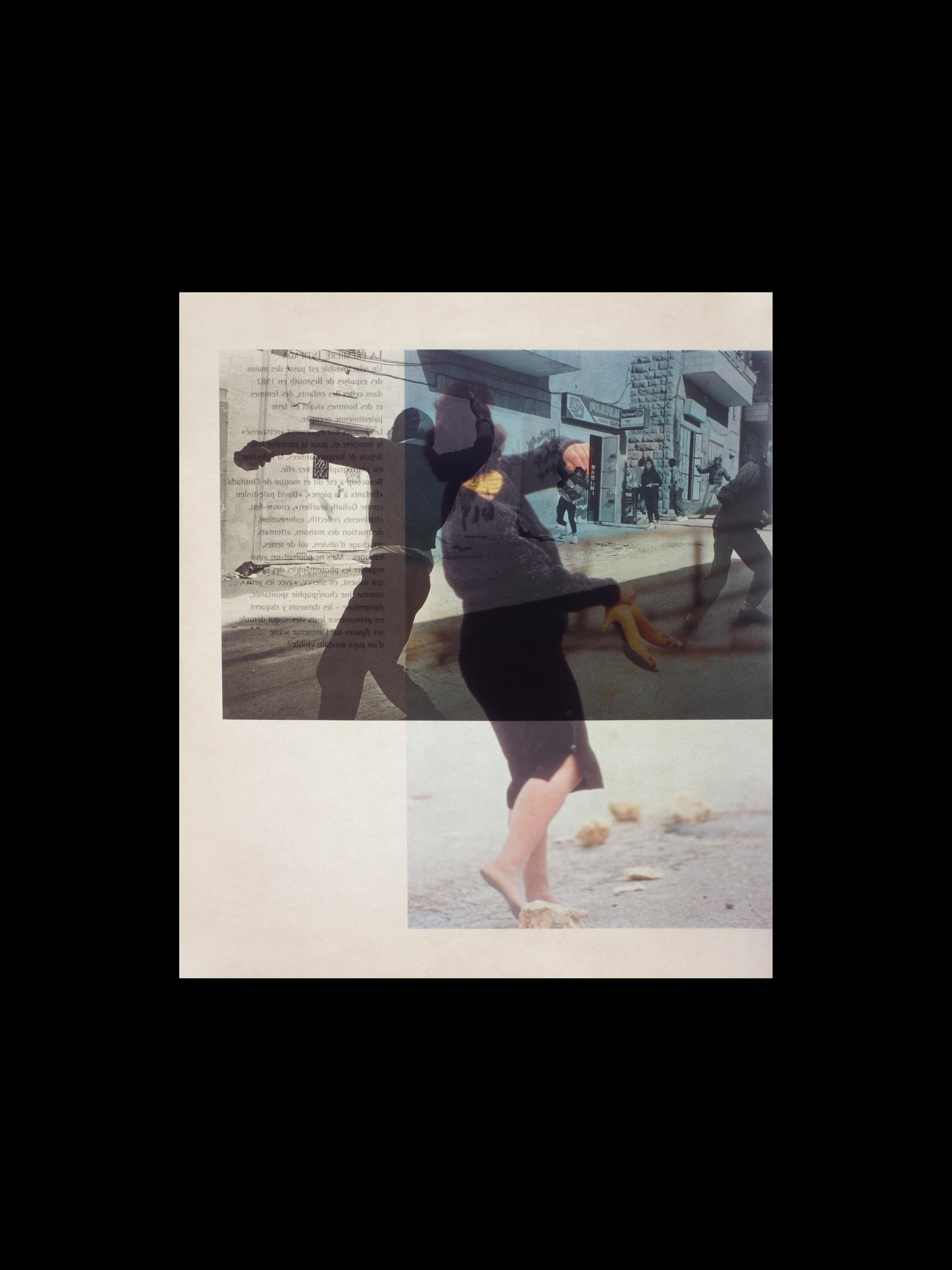
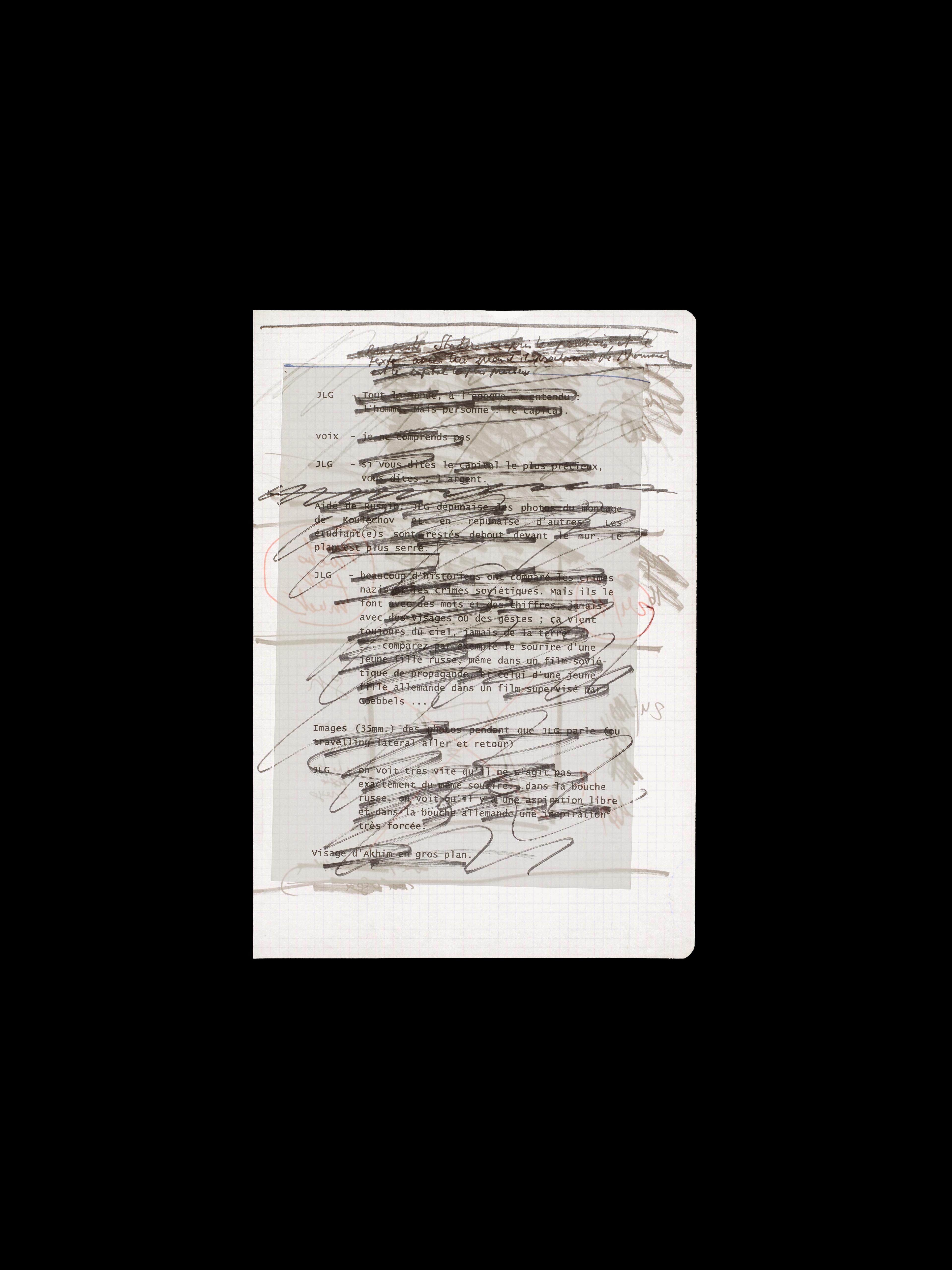
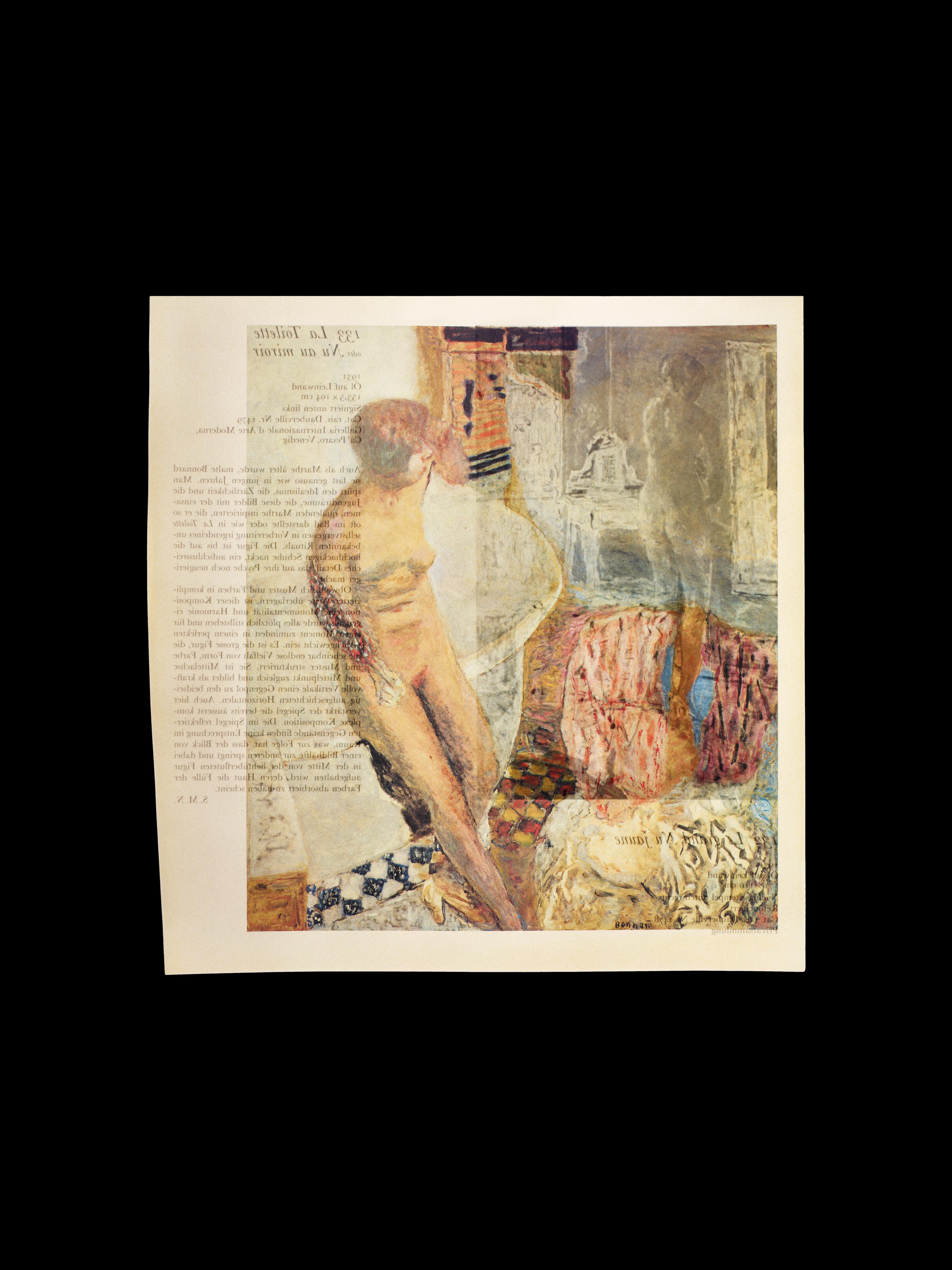
Exactly. And when you’re faced with mountains of boxes, cassettes, soundtracks, images… what do you do? Swim against the current? How do you tell the story of an entire artist’s life when everything is there, packed in boxes? My first approach was very simple, very physical: I’d open a box, tip it onto a table where I’d set up my camera, and photograph everything that fell out. I left my hand in the frame, the objects that propped up the box, and I photographed what remained. What he had placed there—sometimes with care, sometimes hastily, sometimes almost automatically. And as for sound, I decided to keep only what had been discarded. At first, I wanted to focus solely on sound. But over time, as I spent more time with those tapes, I was literally surrounded by boxes, objects, books. I began flipping through them, looking at the cut-out papers, observing. And I realized there was an incredible visual dimension too. An idea of the archive as accumulation. And that accumulation is something extremely beautiful.
It’s almost geological. Like layers, successive strata.
And it’s also a “geology of knowledge,” a memory of human creation in the twentieth century. The way we created back then was nothing like today. Now everything is stored in computers. In the pre-Gutenberg era and even up until the eighteenth or nineteenth century, access to books was limited. One didn’t tear out a page so easily. Godard, however, worked at a time when we were printing frenetically, when the most precious books could be bought as paperbacks. Tearing a page from a book wasn’t sacrilegious—there was no longer any fetishism around the book. Today it’s another era again—we’re all samplers in a digital world. He was an analog sampler. And what’s fascinating is that, as a hybrid witness—at the crossroads between analog and digital—he quickly grasped the potential of this new medium. When he moved to Grenoble and began working with TV formats, he immediately understood Betacam, well before anyone else. At a time when most filmmakers swore they’d never go digital, he already sensed its beauty, even that strange beauty found in color compression. The images in Film Socialisme—the Betacam, the HD formats he used… it’s already the past, and yet it’s digital. And it’s magnificent. As always, he understood—before anyone else—the poetry of the medium and of its transformations.
Can you tell us a bit about your time in Rolle?
I worked on the soundtrack in Rolle with François Musy. Jean-Luc lived practically across from his editing suite. It was a tiny, improbable village, lost on the edge of Lake Geneva, steeped in a kind of profound solitude. And it was moving—this man who had filmed so many places, faces, and stories, now reclusive in that silence, by the lake. Every day, I would work on the sound, then go have lunch at this little restaurant where he, too, was a regular. A monastic life. And little by little, I began to understand what I was part of—I was witnessing an important moment, for him, for me. It was a meeting with a master, someone who had profoundly inspired me. And here we were, together, at a time when I was still young, ascending that famous path—coming back to the Heideggerian metaphor—while he was descending it. He had reached the point in life when one begins to bring the wood back down to the valley.
And there’s the recording you made the day he died in Rolle.
More than a decade had passed, and I still held the memory of that time with him intact. I used to go for a walk by the lake at the end of the day. There’s a little harbor there, with all these sailboats straining in the wind, and a sound—the creaking of the sails, the clinking of cables against the masts, the wood groaning on the dock. That’s often how I experience geography—through sounds that linger in my memory. When I learned that Jean-Luc had decided to leave—to truly, deliberately leave—on that very day, I went down to Rolle. It was a Monday morning, I think, though that would need checking. He had left the house with a small bag, as if going to the office. I sat facing the lake and recorded those sounds. It was my way of saying goodbye. That day, the wind was strong. The masts, the rigging, the wood—everything was creaking as if in one final cry. And I saw, in the sails flapping the wind, a kind of last salute. It was just like him: of extreme elegance. And perhaps the most complete form of wisdom—leaving with such grace.
Was it the most important encounter of your life?
When I met Godard for the first time, I had just returned from a trip to Varanasi, in India. I had been recording funeral chants along the Ganges. There, I met a practitioner of Vedānta—a tradition stemming from the Upanishads—who spoke to me about a fundamental principle: at the dawn of death, one must take to the road. Abandon one’s family, relinquish all possessions, become a mendicant. And walk to Varanasi to burn on the pyre. That is where the departure takes place. I had recorded a man whose job it was to burn bodies. He told me there were two kinds of bodies. Those who had led a straight, peaceful life—they burn easily. The fire takes them without resistance. And then there are the others. Those who spent their lives swimming against the current: you have to keep putting an arm or a leg back into the flames. The body resists. And in that resistance, there’s already the story of a life. A life told all the way down to the flesh. That left a deep mark on me, and I thought of it again with Godard. Departing in harmony matters. As always in life, everything is echo and resonance. These encounters are never entirely accidental— that I came back from India at that very moment, that I crossed his path… I’ve always had the feeling that I was moving through a world that needed decoding. And encounters like those with Jean-Luc Godard, Patti Smith, or others, inscribe themselves in a tapestry that belongs to them as much as to me, in a conversation that connects us within a larger reality.
Credits
Stephan Crasneanscki, What We Leave Behind, 2021
Copyright 2021 Stephan Crasneanscki
Photographs by Stephan Crasneanscki
All rights reserved