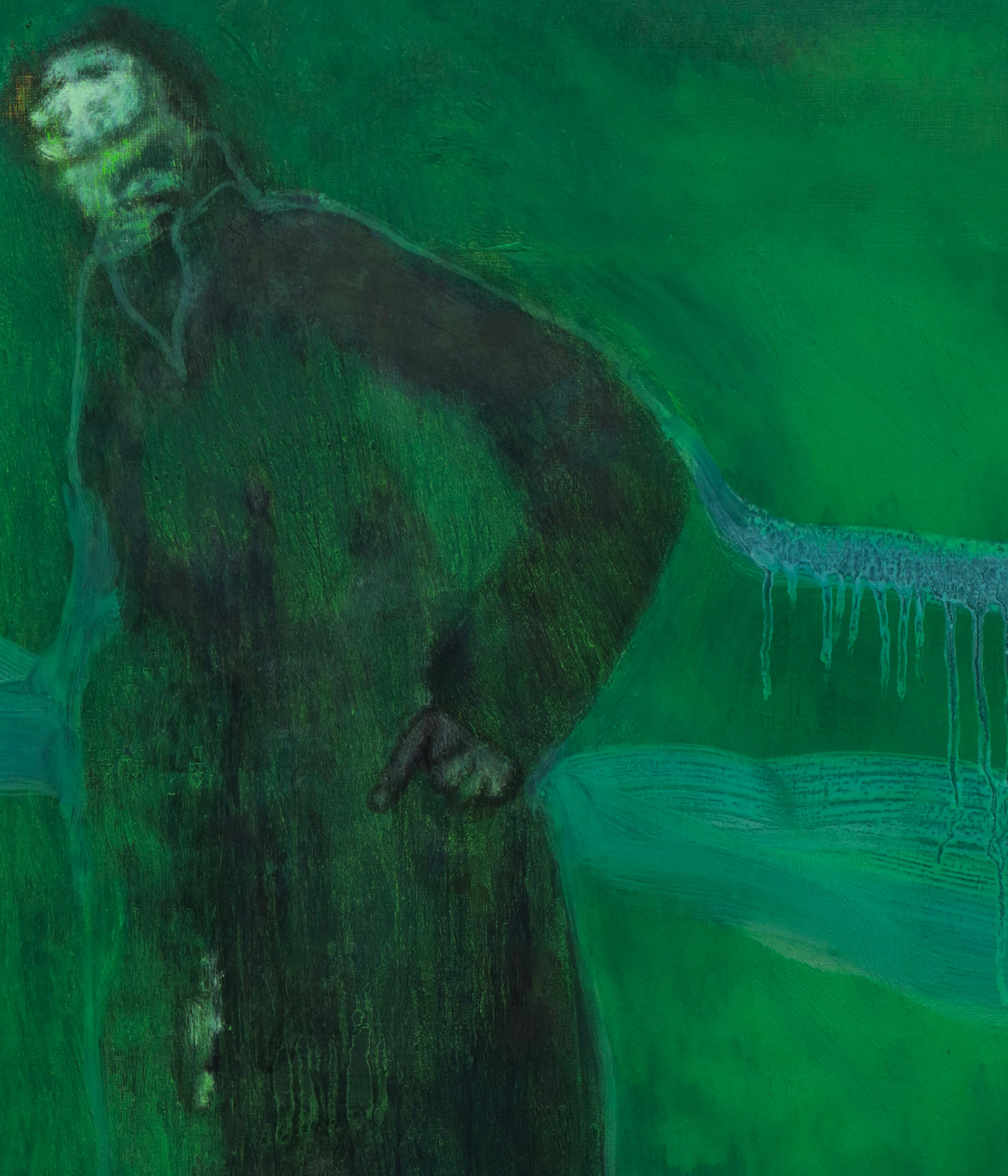
Charles Baudelaire
Charles Baudelaire (1821–1867) was a French poet and art critic born in Paris. His sole major collection of verse, Les Fleurs du Mal (The Flowers of Evil), published in 1857 and immediately prosecuted for outrage to public morals, is among the founding texts of modern poetry.
Baudelaire's critical writing is as significant as his poetry. His Salon reviews (1845, 1846, 1859) argued for Eugène Delacroix at a time when official taste ran against him. His essay "The Painter of Modern Life" (1863), written on the illustrator Constantin Guys, introduced the idea of the peintre de la vie moderne and defined modernity as a specific aesthetic experience: the capture of the ephemeral and contingent within the permanent. As a translator of Edgar Allan Poe — whom he discovered in the late 1840s — he produced French prose translations of high literary quality and established Poe as a central reference for French Symbolism. His Petits Poèmes en prose (Paris Spleen, posthumously collected in 1869) extended his poetic concerns into the prose fragment and the rhythms of city life.
He died in Paris in 1867, at forty-six, following a series of strokes. The definitive edition of Les Fleurs du Mal appeared in 1868. His influence on Verlaine, Rimbaud, Mallarmé, Eliot, and Walter Benjamin, among many others, makes him one of the most consequential figures in the literary history of the nineteenth century.